Meghan Cliffel was riding the subway in New York City in December 2015 when she became convinced the entire city belonged to a cult that was plotting to kill her and her two daughters. When she got back to her Manhattan apartment she believed the talking heads on the television were speaking to her directly, threatening her, and that the refrigerator was emitting poisonous gas. Her husband, she feared, was part of the cult too.
But by the time she returned to her job, dealing with all the stress of being a working mom, she told her husband about creeping feelings of anxiety and sadness. Time passed and we were too busy.” Cliffel and her husband, like most Americans, did not have a deep understanding of postpartum depression, a mood disorder experienced by one in seven women after giving birth that can cause extreme sadness. They had no concept at all of postpartum psychosis, a more severe psychiatric condition affecting between one and two women per 1,000 births, that can cause hallucinations and paranoid delusions.
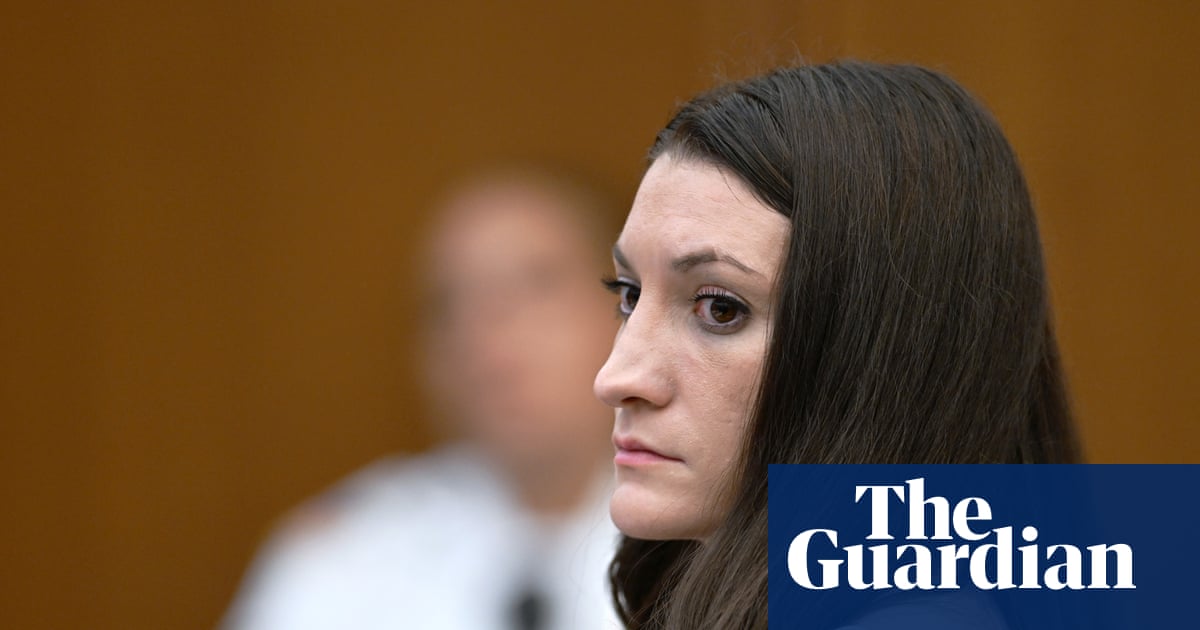
In extreme cases, the condition can lead to incidents of maternal suicide and infanticide – as demonstrated by the ongoing trial of Lindsay Clancy, the 36-year-old Massachusetts woman who has admitted to killing her three children in 2023. Clancy is charged with three counts of murder and her team is deploying an insanity defense, arguing that the murders were committed while she was in the throes of postpartum psychosis. Clancy, who allegedly jumped from a 20ft-high window after the murders and was paralyzed from the waist down, appeared in court this week in a wheelchair.
Cliffel did not jump from the roof of her Manhattan apartment building. Her husband eventually called the police. Two months later – after struggling to be seen by a reproductive psychiatrist – Cliffel was finally diagnosed with postpartum psychosis, a diagnosis she called a giant relief.
She went from feeling like there “was something so wrong with me” to understanding that she had just been sick. Now, a mental health advocate and writer, Cliffel has been distressed in recent weeks by the sensationalized, wall-to-wall media coverage and conspiracy theories swirling around the trial of Clancy, whose lawyers will need to convince a jury it was her sickness, not her, that took the lives of her children. Clancy’s psychosis, her lawyers have argued, was exacerbated by the treatment she received at a local hospital, where she was prescribed an incorrect mix of over a dozen psychiatric medications.
Clancy’s livestreamed trial has become fodder for amateur sleuths, operating accounts on TikTok and other social media platforms, to push viral conspiracy theories that experts say threaten to undermine efforts to destigmatize and raise awareness of postpartum illnesses. Though Clancy has admitted to the murders, these true-crime obsessives have zeroed in on a particular conspiracy theory: that Clancy’s ex-husband, Patrick Clancy, actually murdered their children, framing her for the crimes afterwards. The videos they post parse purported inconsistencies in Patrick’s testimony.
Extract — continue reading at the source.