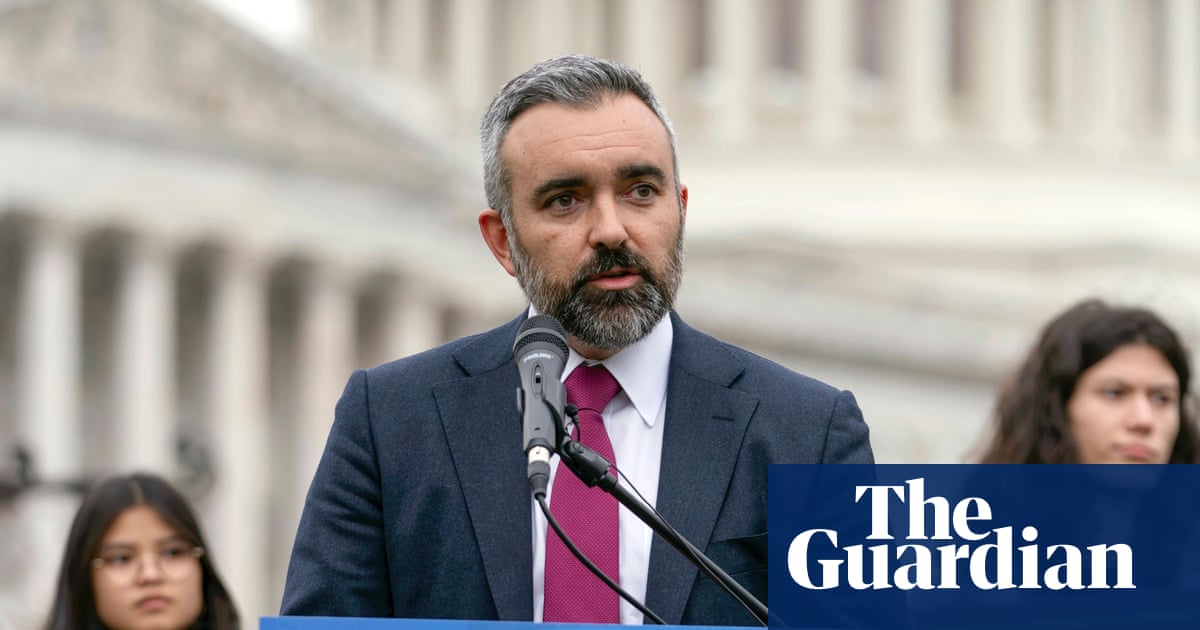
New Mexico’s attorney general is mounting a full-court press against technology companies to improve their child safety measures, capitalizing on a landmark win in court against Meta earlier this year. Raúl Torrez is working with state lawmakers to draft two new bills he says will strengthen consumer protections and child safety online. The legislation, expected to be announced in the coming weeks, will build on the state’s case against the parent company of Facebook, WhatsApp and Instagram.
A jury found in March that the company misled its users about the safety of its platforms and enabled harm, including child sexual exploitation. The social media giant was fined nearly $1bn as a result of the case. The trial was the first to hold Meta liable for harmful acts committed on its platforms.
It followed a 2023 Guardian investigation that exposed how Facebook and Instagram had become marketplaces for child sex trafficking. Torrez is pursuing additional lawsuits, including a second case against Meta and one against an AI company whose chatbot has become a source of emotional attachment for children. In an interview with the Guardian, the state’s top legal official said the proposed laws would go beyond social media, creating a broader consumer protection framework for emerging technologies, including artificial intelligence and chatbots.
He has also had preliminary discussions about the legislation with Deb Haaland, the former US interior secretary and Democratic nominee for New Mexico governor, who expressed support for his efforts. A Meta spokesperson said: “We have strict, longstanding rules against child exploitation and have invested billions to fight it, both through proactive detection technology and safety features designed to prevent harm.” The company cited its record on sharing the amount of child sexual exploitation content it removes, including 36m pieces from Facebook and Instagram in 2025. The spokesperson added that Meta had spent the last decade working to support young people using its apps, in particular through the introduction of “teen accounts”.
Earlier this month, a judge ordered the company to pay $567m as part of the second phase of a case brought by the state. The money will primarily fund youth mental health treatment, with the remainder directed toward awareness, prevention and screening services. The court also imposed a series of reforms that will remain in effect for five years, including age verification, enhanced safeguards against child sexual exploitation, overnight limits on push notifications and mandatory time-use limits for users under 18.
The judge’s ruling followed a seven-week trial earlier this year in which a jury found that Meta knowingly harmed children’s mental health and concealed what it knew about child sexual exploitation on its platforms. The jury imposed the maximum penalty available under state law, a $375m fine, bringing Meta’s total liability across the two phases of the lawsuit to $942m. His office is also pursuing another case against Meta, with a trial involving data privacy and civic harms expected to begin in September.
Extract — continue reading at the source.