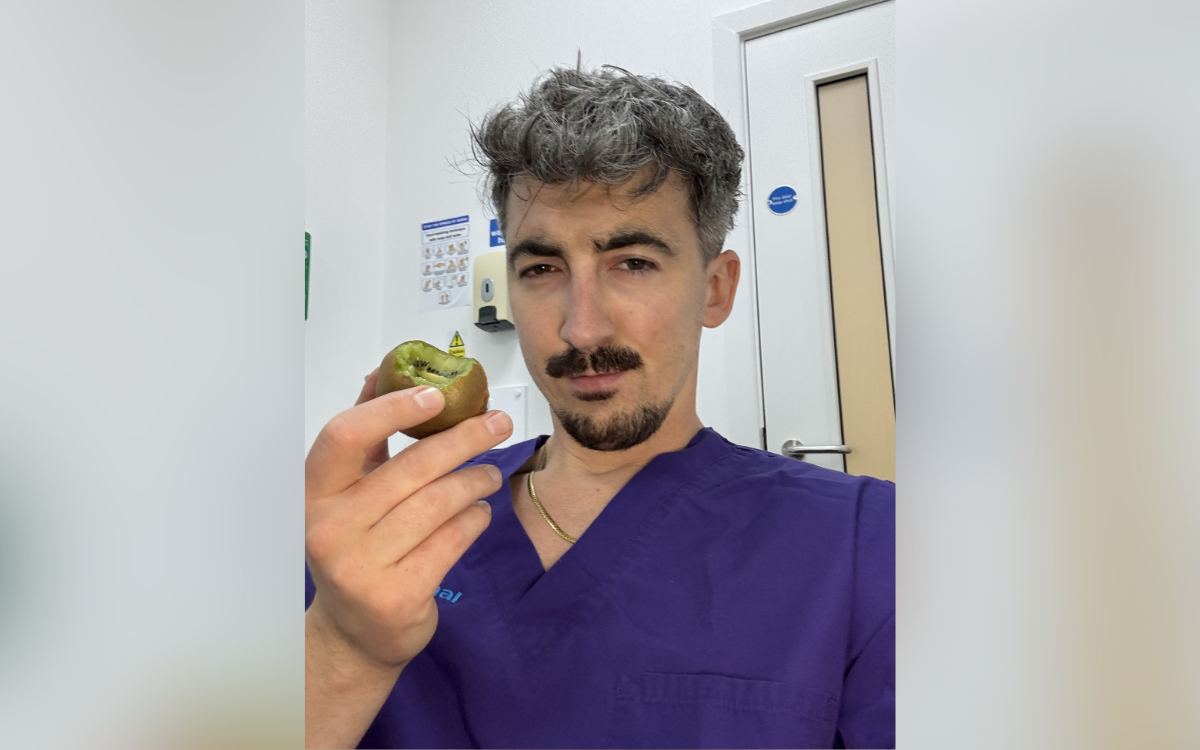
A gut health scientist has shared the five foods he avoids eating, including one healthy option some may be surprised to see on the list. Jordan Haworth is a gastrointestinal physiologist at the Functional Gut Clinic in the U.K. For nearly a decade, he has specialized in helping people get to the root of their digestive issues.
"When I first started, I didn't realize gut health was a thing," Haworth told Newsweek. "Now we know just how important gut health is to our overall health. It influences our mood, metabolism, skin, and immunity." Although interest in gut health has surged in recent years, awareness remains relatively low.
A 2024 survey commissioned by Danone North America found that 41 percent of Americans had never heard of the gut microbiome, while 50 percent did not realize it can affect gut health. The gut microbiome is the vast community of trillions of bacteria and other microbes that live in the digestive system. These microbes help digest food, produce beneficial compounds, support the immune system, and protect against harmful pathogens.
Haworth believes gut health is often overcomplicated. "The term has been hijacked by supermarkets and supplement companies," he said. "The good news is, gut health doesn't need an expensive probiotic pill or green powder." Instead, he recommends focusing on the "foundations" of gut health, which he divides into the "three Fs": He also recommends prioritizing sleep, managing stress, and getting at least 150 minutes of exercise each week.
According to Haworth, avoiding food poisoning is an often-overlooked part of protecting gut health. "Food poisoning is the single biggest wrecker of gut health," he said. "This is because the bugs that cause foodborne illness can have long-lasting effects on the gut." He points to research suggesting that around one in five people develop post-infectious IBS following a Campylobacter infection.
"This is called post-infectious IBS," Haworth said. "We think it's because the different bacteria that cause food poisoning all share one thing in common: they produce a toxin called CdtB. Research shows this toxin can damage the gut, leading to long-term inflammation and increased sensitivity, meaning you may become intolerant to foods you previously handled just fine." While proper food storage and cooking are important, Haworth acknowledges that many cases of food poisoning occur outside the home.
Extract — continue reading at the source.