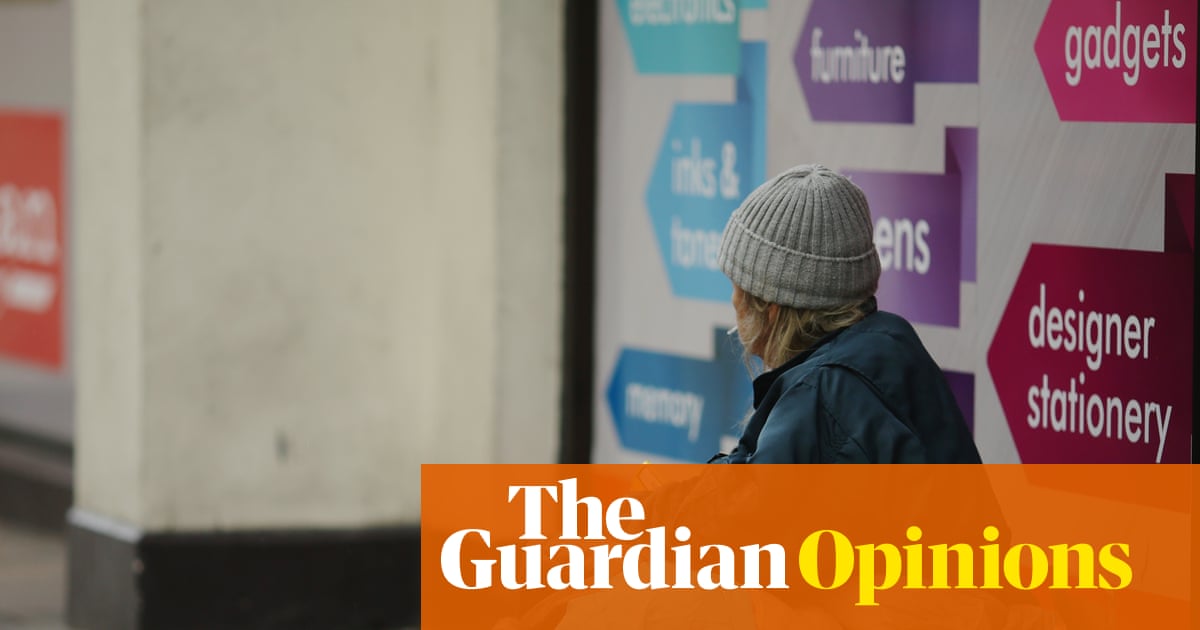
I’ve always thought you can tell something about a country by what it learns to walk past. And, somewhere along the way, we’ve got used to seeing people sleeping rough on our streets. We see people bedded down in doorways and sat outside stations, carrying their lives in rucksacks and with sleeping bags on their backs.
And I think most people have the same reaction: this isn’t right; it shouldn’t be happening here. But we’ve lived with it for so long that something that used to shock us now feels like part of the scenery. That’s not on the public.
It’s on us as politicians. For decades, Westminster has treated rough sleeping like a problem to step around rather than solve. It’s a philosophy that took hold in the 1980s and came back full force in the era of austerity: this idea that rough sleeping is just a fact of life rather than something government has a responsibility to end.
I’ve never accepted that. Britain is the fifth largest economy in the world. We’ve built the NHS, developed life-saving vaccines and invented the world wide web.
But it’s somehow beyond us to get our own people off the streets? I don’t believe it for a minute. We did it during the pandemic.
We got people out of the cold because, as a country, we decided it had to be done. That’s why the first thing I announced when I became prime minister was a commitment to end rough sleeping. Not to manage it, not to reduce it – but to end it.
Extract — continue reading at the source.