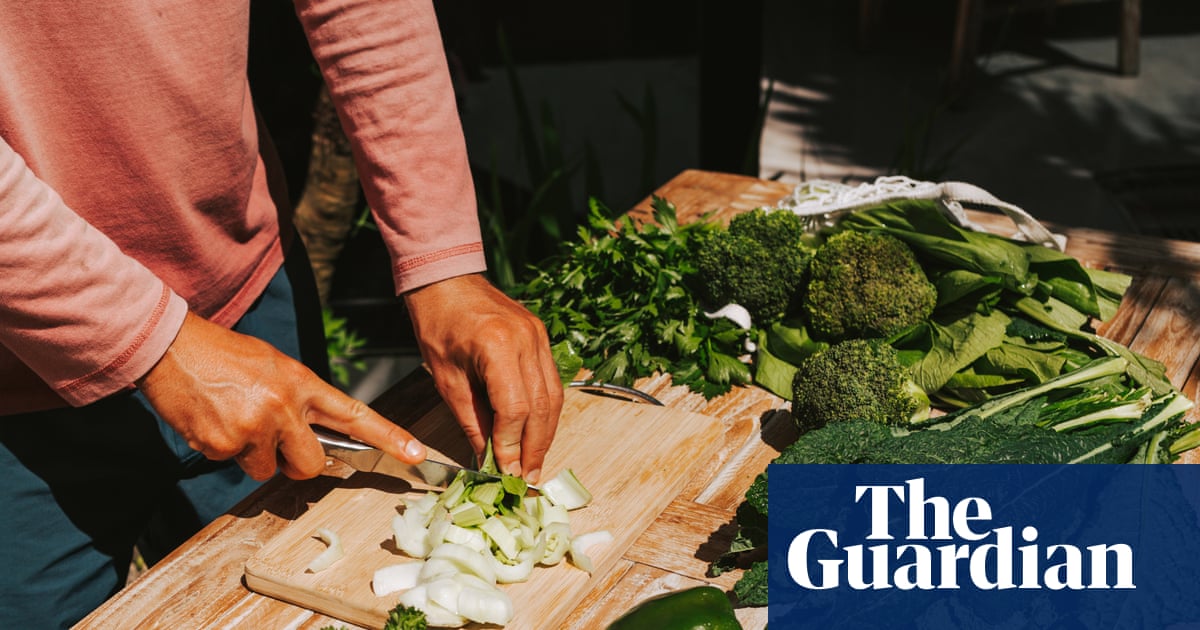
If you want to eat lettuce, that no longer just means iceberg. In our bountiful age, there are many options: romaine, red-leaf lettuce, butter lettuce, beet greens, bok choy, bitter radicchio, every developmental stage of arugula. Sometimes, it’s simply up to preference.
But if you’re trying to meet your daily serving of 2.5 cups of vegetables – or you’re rethinking your salad choices amid the US cyclospora outbreak, you might have some questions about which greens to go with. Health authorities widely agree that a diet high in nutrient-dense fruits and vegetables is associated with reduced chronic disease risk. But which greens are giving you the most nutritional bang for your buck?
In 2014, the Centers for Disease Control and Prevention released a study attempting to help people better understand nutrient density via a ranking system that declared watercress a powerhouse champion, with 17 nutrients per calorie – almost twice the nutrient density as kale. While watercress grabbed the CDC’s top spot, many other cruciferous greens, like green or Napa cabbage, kale or arugula, boast similar, substantial health benefits. Rather than focusing on only the most nutrient-dense greens, experts advise prioritizing variety.
Even the fruits and veggies that scored lower on the CDC’s ranking, such as blackberries, leeks and sweet potatoes, offer their own substantial health benefits – they simply don’t have the breadth of nutrients cruciferous veggies pack per calorie. Spinach, kale, watercress, romaine, arugula, chard, collards, mustard greens, turnip greens and dandelion greens all bring something different to the bowl.” For instance, one cup of shredded cabbage will net you about 2g of fiber and 28mg of vitamin C, but no vitamin A. A cup of spinach contains 1g of fiber, 9mg of vitamin C and 16mcg of vitamin A.
That means easy staples that include various vegetables are a good option, including boxed mesclun mix, which contains different leafy greens, such as mustard greens, arugula and different lettuces, notes Mok. Many people believe that darker greens are healthier than lighter ones. Experts say that in terms of nutritional content, this is true – the rich hunter green of kale trumps the pallid hues of iceberg lettuce.
But you don’t have to chuck your head of iceberg. Adding healthy fats like avocado, olive oil or eggs to salad greens can help your body absorb their nutrition. Cooking also reduces the volume of greens, making it easier to eat larger quantities; two cups of raw leafy vegetables are the equivalent of a 1-cup vegetable serving.
Extract — continue reading at the source.