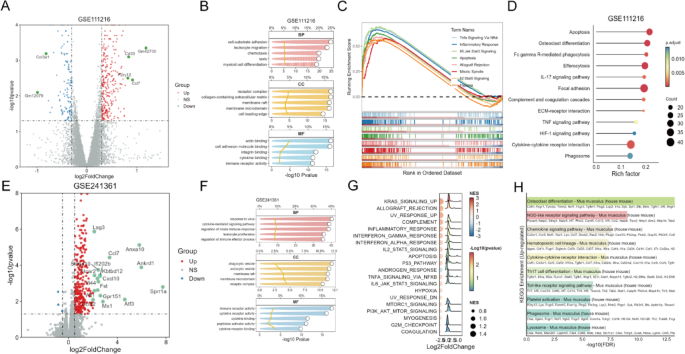
Neuropathic pain (NP) often progresses from acute to chronic, but the mechanisms driving this transition remain unclear. Microglia play a central role in spinal sensitization, yet their functional evolution during pain chronification is poorly understood. Through integrated multi-omics analysis and experimental validation, this study systematically investigates the temporal dynamics of microglial phagocytic reprogramming during the progression of neuropathic pain (NP).
The results demonstrate that in the spared nerve injury (SNI) mouse model, spinal microglia undergo a dynamic evolution across three functional phases: an acute proliferative state with initial phagocytic activation (post-injury day 3, PID3), a transitional phase marked by significant activation of phagocytic pathways (PID7), and a chronic phagocytic “fatigue” state (PID14) in which autophagy- and lysosome-related pathway activity declined with a functional decoupling between phagocytosis and degradative capacity (PID14). Single-cell transcriptomic analysis further revealed functional heterogeneity among microglial subpopulations, including inflammation-regulating subsets (e.g., Micro3/Micro5) and specialized phagocytic clusters (e.g., Clusters 7). Pseudotime trajectory analysis indicated that microglia differentiate from a common progenitor state into two distinct fates: pro-inflammatory or phagocytic.
Our analysis at the chronic phase (day 14 post-SNI) confirmed microglial activation, neuroinflammation, and pain hypersensitivity, alongside a novel finding of augmented microglial phagocytosis of apoptotic cells. Further research identified eight phagocytosis-related genes (such as Axl, Mfsd8, Mbtps1, and Sorl1), among which Axl showed the most significant up-regulation in the chronic phase. In vivo and in vitro experiments confirmed that inhibition of Axl not only induced mechanical allodynia but also impaired microglial phagocytic function.
Furthermore, under LPS stimulation, microglial phagocytosis exhibited a biphasic response—initial enhancement followed by decline. This work provides new insights into microglial phagocytic reprogramming and suggests Axl as a promising therapeutic target for chronic neuropathic pain. Neuropathic pain (NP) is a debilitating chronic condition resulting from somatosensory nervous system damage, affecting nearly 10% of the global population1.
Unlike acute pain, which serves a protective role, NP persists beyond tissue healing due to maladaptive neuroplasticity, leading to a self-sustaining cycle of pain signaling2. Current pharmacotherapies provide only partial relief and are often limited by side effects, largely because they target symptoms rather than the underlying mechanisms driving pain chronification3. A critical unmet need is to elucidate the molecular and cellular dynamics that facilitate the transition from acute to chronic NP, enabling the development of mechanism-based interventions.
The spinal dorsal horn is a key site of maladaptive plasticity during NP progression, wherein microglia act as central regulators of neuroimmune crosstalk4. Upon nerve injury, microglia become activated and release pro-inflammatory mediators (e.g., IL-1β, TNF-α, ATP), amplifying neuronal excitability and recruiting astrocytes5. However, the temporal evolution of microglial functional states across pain stages remains poorly defined.
Extract — continue reading at the source.