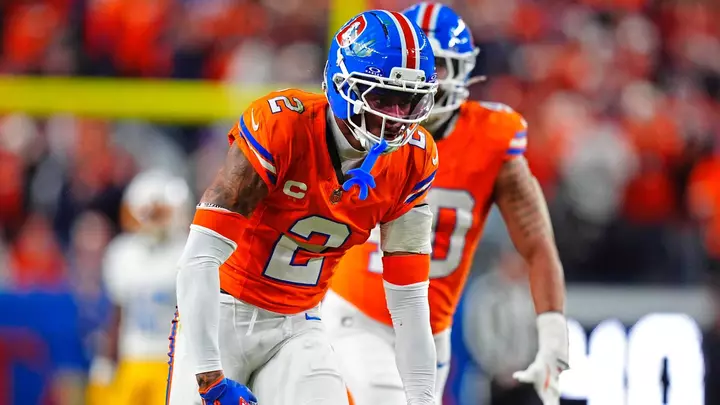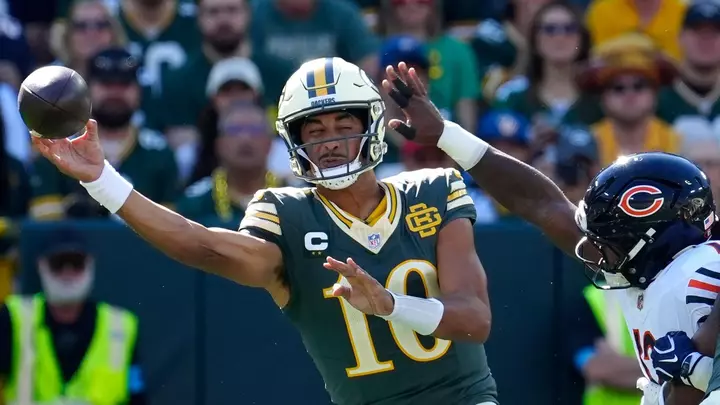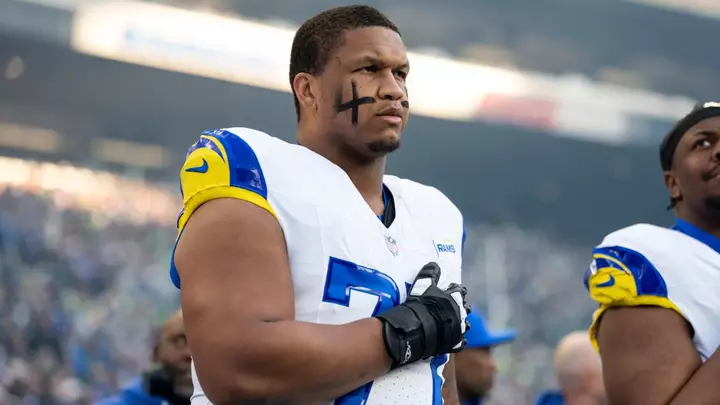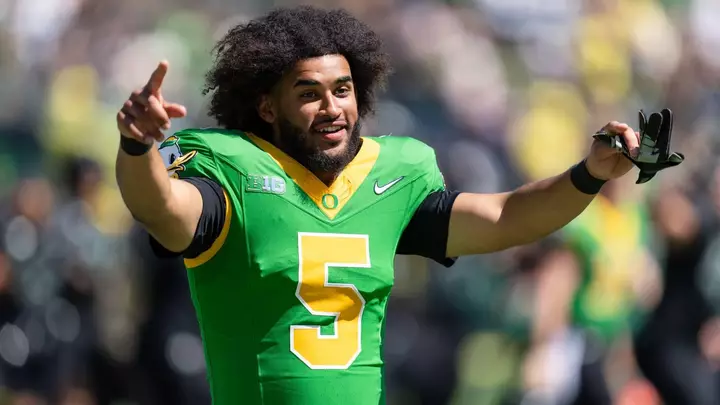
The Kaleb Johnson trade is the latest reminder that draft mistakes rarely announce themselves immediately. Sometimes they look like a third-round running back getting moved one year after he was selected. Sometimes they look like a first-round safety who starts for five seasons, a second-round receiver who flashes early but never becomes a long-term answer, or an offensive lineman who hangs around the league long enough that the pick never quite registers as a failure.
That distinction matters when looking back at how the Steelers have used their premium draft capital. Pittsburgh hasn't spent the last eight years lighting first-, second-, and third-round picks on fire. There have been legitimate hits, including Alex Highsmith, Diontae Johnson, George Pickens and Pat Freiermuth and the early returns from several members of the 2023 and 2024 classes are also encouraging.
But the larger picture since 2018 is less flattering: Pittsburgh has been slightly below average compared with the rest of the NFL, too many early-round picks have failed to become high-end, long-term players, and better options have come off the board shortly afterward more often than they have for the typical team. Let's start with the Steelers' draft classes from 2018 to 2022. Pittsburgh made 15 selections in the first three rounds during that span, and those players averaged a 21.1 Weighted Career Approximate Value (wAV), compared with 23.4 for all NFL first-, second- and third-round picks. (Approximate Value is Pro Football Reference's attempt to put one number on a player's overall career production, while wAV gives greater weight to his best seasons.
Draft AV measures only the value a player accumulated with the team that drafted him.) By average wAV, Pittsburgh ranked 23rd among the 32 franchises; by Draft AV, the Steelers averaged 18.2 compared with 19.3 leaguewide and ranked 19th. This isn't a disaster in table form; Pittsburgh has done a reasonably good job of finding players who belong in the NFL. The problem is producing enough difference-makers with those high-round picks.
Every Steelers selection in Rounds 1-3 from 2018-2022 played at least 25 NFL games, compared with 91.7% leaguewide, and Pittsburgh was essentially even with the league at the 50- and 75-game marks. But only 6.7% reached 100 career games, compared with 14.5% leaguewide, while 20% logged five seasons as a primary starter compared with 25.9% of the NFL. Round 1 initially looked like the biggest problem, but draft position changes the picture.
Pittsburgh's four first-rounders from 2018-2022 averaged a 27.0 wAV compared with 32.9 leaguewide, but three of those four selections came between picks 20 and 28. The lone exception was linebacker Devin Bush in 2019, and even that requires context: Pittsburgh traded up from No. 20 to No. 10 to get him, giving Denver its first- and second-round picks that year plus a 2020 third-rounder. Bush finished with a 37 wAV, just below the 39.0 average for picks 1-16, but only a 21 Draft AV with Pittsburgh.
Extract — continue reading at the source.