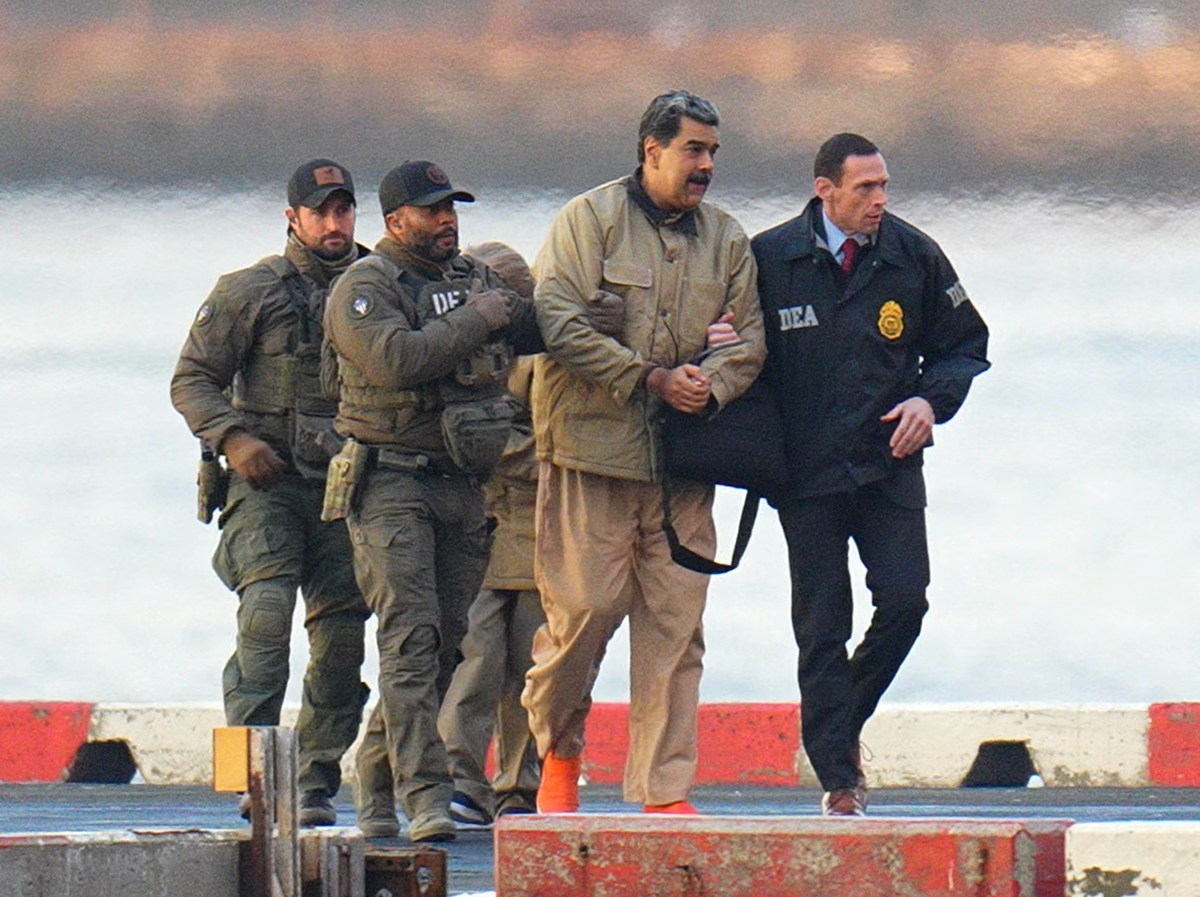
The criminal case against former Venezuelan President Nicolás Maduro and former first lady Cilia Flores expanded Thursday dramatically after U.S. prosecutors unveiled new torture-related charges that they say are tied to a decades-long effort to maintain power through violence, intimidation and repression. The superseding indictment adds a conspiracy-to-commit-torture count to an existing prosecution that already included narcoterrorism, cocaine-trafficking and weapons allegations. Prosecutors contend the couple used state institutions, security forces and allied groups to target opponents and detainees.
The Justice Department alleges that multiple U.S. citizens were among the victims. The move raises a broader question: Does the new charge materially change the government's case, or simply add another layer to a prosecution that was already poised to become one of the most consequential international criminal trials in recent U.S. history? Maduro, 63, and Flores, 69, were captured by U.S. forces at their Caracas home on January 3 and brought to New York to face federal drug-trafficking charges.
Both have pleaded not guilty and are being held in federal custody while awaiting a trial currently scheduled for June 2027. The operation ended Maduro's 13-year rule of Venezuela, which is now led by his former vice president, Delcy Rodríguez. Maduro attorney Barry Pollack responded to Newsweek's request for comment on Thursday, stating, “President Maduro denies the charges in the new indictment and looks forward to his day in court.” In a Justice Department statement shared with Newsweek on Thursday, Attorney General Todd Blanche said investigators had continued working after the couple's arrest to uncover "the extent of their alleged crimes against the people of Venezuela and of the United States." Blanche said the new charges are intended to bring "justice for the victims of torture, narcoterrorism, and organized crime." The Justice Department alleged that for more than two decades, Maduro, Flores and members of their inner circle enriched themselves through corruption while suppressing opponents through "violence, threats, and physical torture under color of law." The department's statement said alleged victims included U.S. citizens and described conduct including electric shock, asphyxiation, rape, starvation, prolonged isolation and psychological torture.
The DOJ statement stressed that an indictment is merely an allegation and that all defendants are presumed innocent unless proven guilty in court. In a statement accompanying the filing, Jamie McDonald, U.S. attorney for the Southern District of New York, said the new indictment alleges that the couple and other leaders "conspired to repress dissent through grave violations of human rights" and that the alleged conduct included the torture of multiple Americans. The department also said the torture allegations are in addition to existing narcoterrorism, cocaine-importation and weapons charges carrying potential life sentences.
For prosecutors, the new count may do more than increase potential punishment. David Weinstein, a former federal prosecutor and partner at Jones Walker, told Newsweek on Thursday the added allegations strengthen the case because they expand the overall picture prosecutors can present to jurors. "It does strengthen the government's overall case against Maduro, to the extent that these additional allegations, tied to the conduct in the original indictment, furthers the overall heinous nature of the charges," Weinstein said.
The practical impact could emerge long before trial. "The next step will be to see if this will cause the current trial setting to be extended/continued," Weinstein said. "I suspect that it will, since these additional charges will take more time to prepare to defend." He also said defense attorneys could seek to separate the torture allegations from the existing narcotics case through a motion to sever the counts.
Extract — continue reading at the source.