President Donald Trump's latest effort to limit birthright citizenship could have consequences for the international surrogacy industry, potentially affecting thousands of intended parents from overseas who travel to the United States to have children through surrogacy arrangements. The administration's August 6 executive order, titled "Continuing to Protect the Meaning and Value of American Citizenship," seeks to deny federal recognition of citizenship in certain circumstances involving foreign nationals. Among the categories listed are children born through commercial surrogacy arrangements when neither parent is a U.S. citizen.
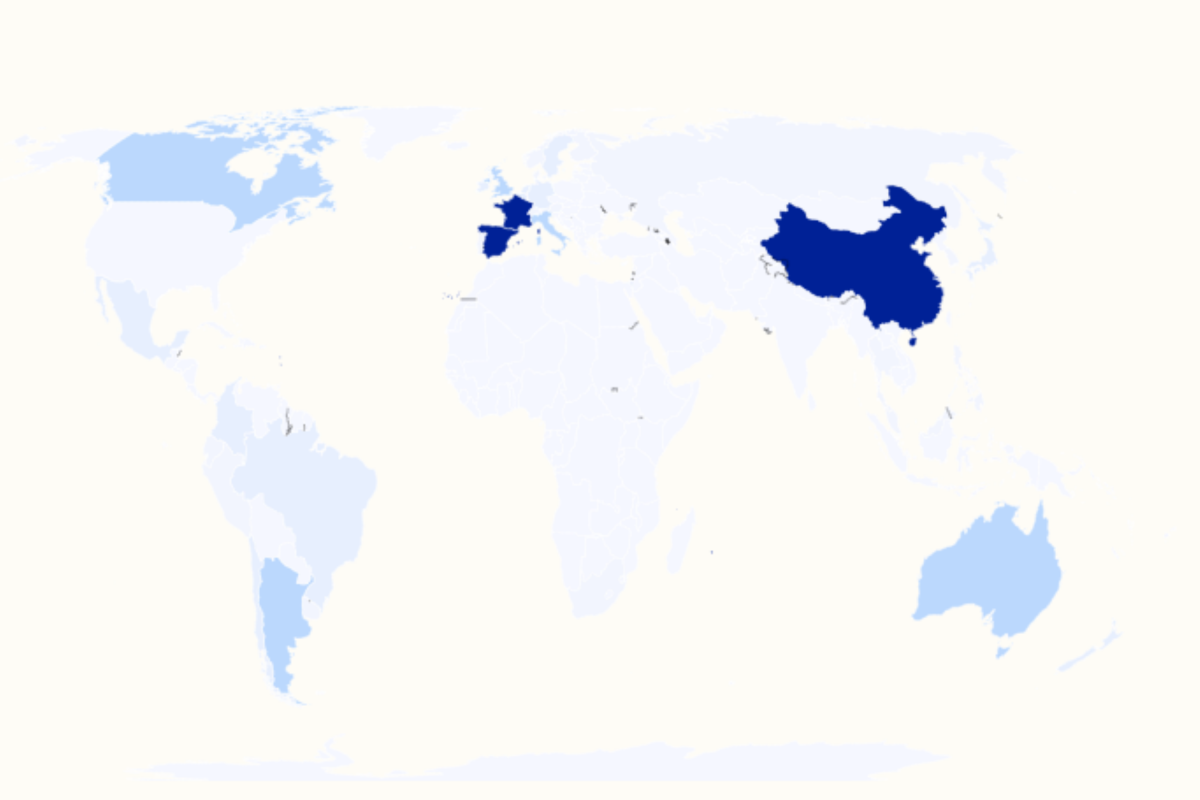
An estimated 30 percent of surrogacy births in the United States involve parents who live abroad. Trump's order comes just weeks after the U.S. Supreme Court's June ruling in Trump v.
Barbara, which struck down the administration's broader attempt to restrict birthright citizenship. The order is already being challenged in court and it's possible that the court strikes down his new executive order as well. The White House order directs federal agencies not to issue documents recognizing U.S. citizenship to certain children when neither parent is a U.S. citizen and specified conditions apply.
One of those conditions covers situations in which parents "engage in a commercial transaction with a surrogate present in the United States" to give birth. The United States has become one of the world's leading destinations for international surrogacy, particularly after many countries have restricted or banned commercial arrangements. There's nothing in the order that bans or prevents surrogacy, but Trump is trying to ban those children from receiving U.S. citizenship.
The measure is part of a broader effort within the Trump administration to combat "birth tourism." The administration argues that the order is intended to address circumstances in which individuals travel to the United States specifically to secure citizenship benefits for a child. It's possible that implementing Trump's order could be more difficult than it seems. Tsong Law Group, which specializes in assisted reproduction law, noted that parentage orders are usually confidential records and birth certificates don't state whether the birth is from a surrogate.
Surrogacy advocates have also argued that international intended parents typically pursue arrangements in the United States because of strong legal protections, medical expertise and established parentage laws, rather than as a pathway to immigration. "Birthright citizenship can also be a consideration, but it would be misleading to assume that is every family’s primary intention," Dipesh Patel, a licensed clinical social worker specializing in working with LGBTQ+ couples navigating IVF and surrogacy, told Newsweek. "For many international intended parents, the more basic reality is that their home countries do not offer viable or legally secure pathways to parenthood, especially for LGBTQ+ couples and individuals." If Trump's executive order is blocked, it's possible that states could move to just make it illegal for surrogates to work with international intended parents.
Extract — continue reading at the source.