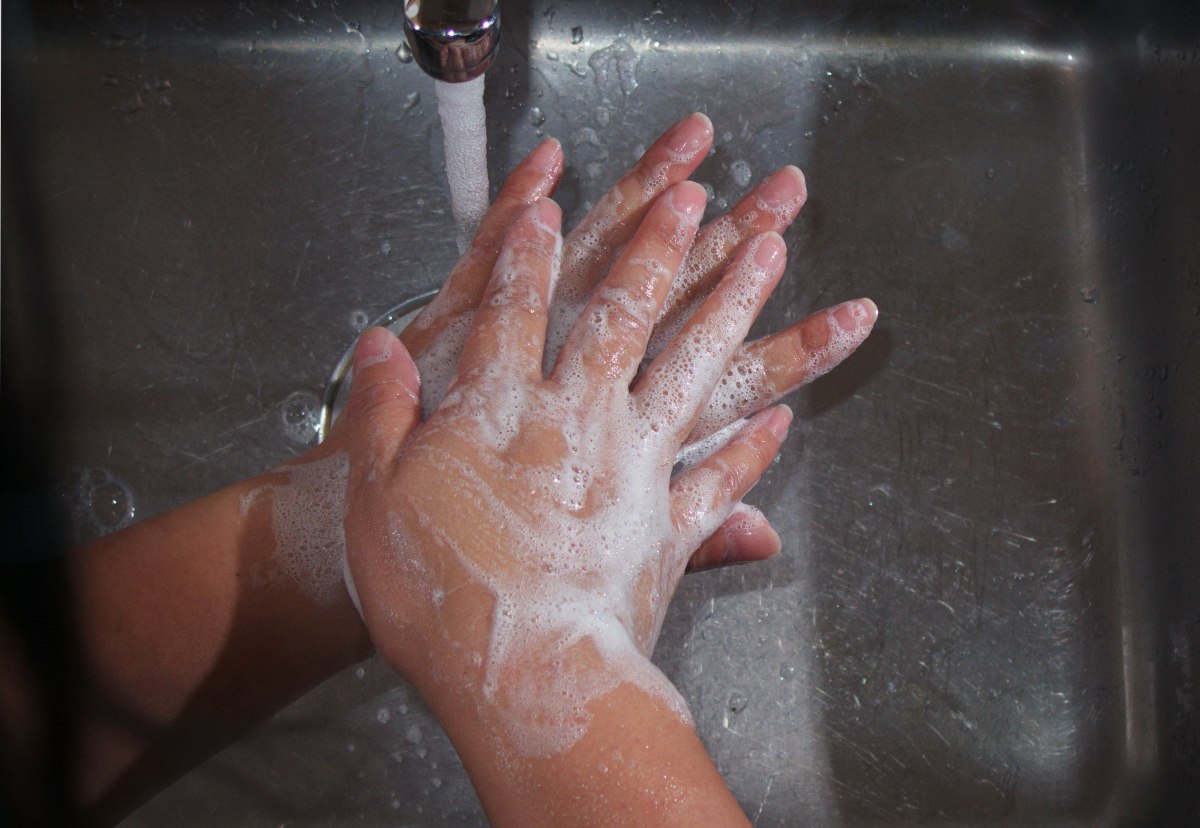
Intercon Chemical Co. is voluntarily recalling six hand soap products over fears they could be contaminated with bacteria, a U.S. Food and Drug Administration (FDA) enforcement report shows. According to the report, nearly 2,700 cases of hand soap are impacted by the recall, which has been classified as a Class II recall.
According to the FDA, a Class II recall means "a situation in which use of or exposure to a violative product may cause temporary or medically reversible adverse health consequences or where the probability of serious adverse health consequences is remote." The most serious classification is a Class I recall. Newsweek reached out to Intercon Chemical Co. via email on Thursday for comment. According to the report, the recall was first initiated on June 29, 2026, and on September 11, 2026, the products were classified as Class II.
According to the report, the following products are impacted by the recall: The hand soaps were distributed to 20 consignees, including 19 wholesale and 1 retail location, in North Carolina, Mississippi, North Dakota, Nebraska, Illinois, Iowa, New York, Texas, Maryland, South Carolina, Wisconsin, Georgia, Pennsylvania, California, and Washington, the report highlights. The status of the recall remains ongoing, the FDA report notes. It is not immediately known to Newsweek at the time of publication if the recalling firm is offering a refund.
The Centers for Disease Control and Prevention (CDC) describes Pseudomonas as a group of bacteria found in places like water and soil. "The most common type causing infections among humans is Pseudomonas aeruginosa," the agency said in part. The bacteria can lead to infections in the lungs, like pneumonia, urinary tract, blood, or other locations on the body after a surgery, the CDC says.
"P. aeruginosa can be resistant to antibiotics, making these infections difficult to treat," the agency added saying good hygiene can help reduce the risk of infection. Newsweek’s reporters and editors used Martyn, our AI assistant, to produce this story. Learn more about Martyn here.
Contact Newsweek editors on this story: Samantha Beech and Gray R.
Extract — continue reading at the source.