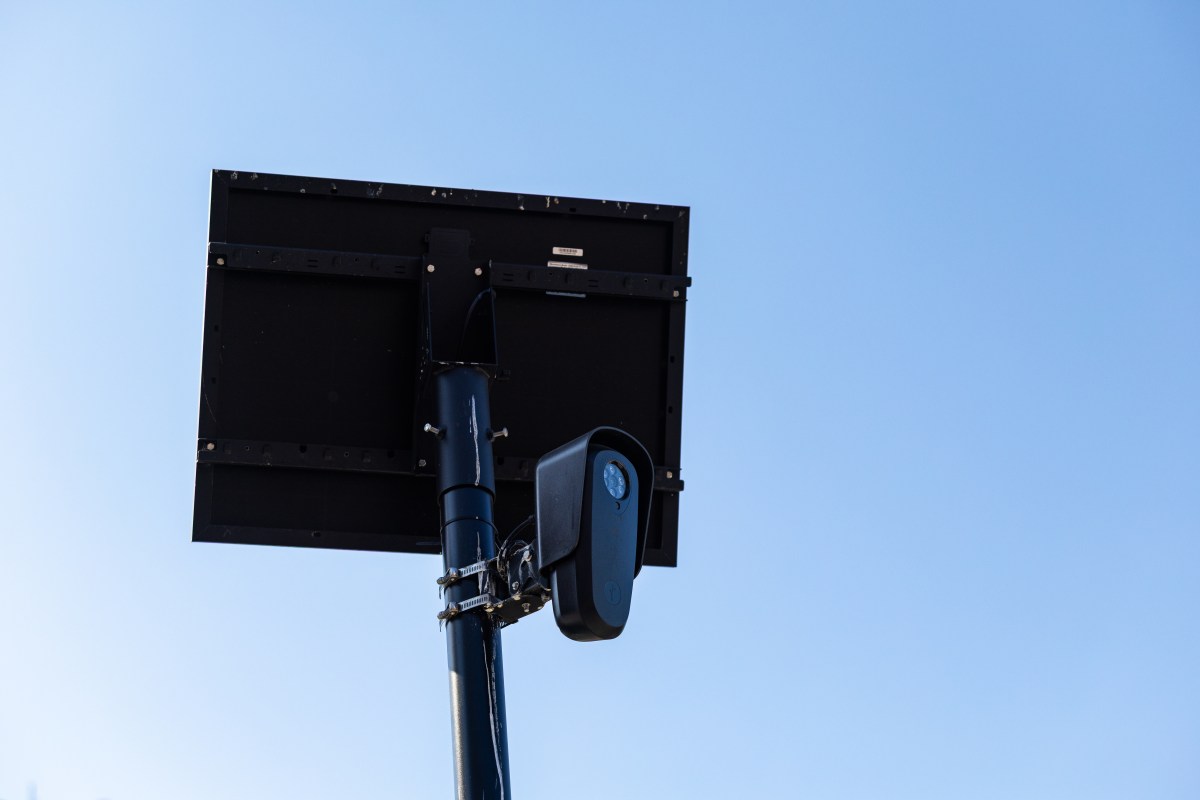
As cities across the United States move to abandon Flock Safety’s automated license plate-reading cameras, some local governments are taking a different approach: keeping the technology, sometimes while imposing tighter restrictions on how its data can be used. The decisions offer a more complicated picture than a simple split between communities embracing surveillance and those rejecting it. Some officials say the cameras help solve crimes and locate missing people; others have retained them despite privacy concerns, public opposition or questions about how information is shared with outside agencies.
The cities highlighted on this map are among those reported to have kept Flock cameras, renewed contracts or approved continued funding. Their decisions vary, and some remain provisional or subject to further review. Newsweek contacted Flock, along with several of the cities mentioned, via email on Monday for comment.
In San Francisco, officials have opted to keep the cameras while introducing new limits on data access and use, according to NBC. Under the new policy, officers must obtain approval from department leadership and demonstrate a link to an active criminal investigation before searching data collected by the city’s automated license plate readers (ALPRs). Data will be deleted from Flock’s platform after 30 days, although San Francisco police can retain their own copies for up to a year.
In Costa Mesa, California, the city council voted 6–1 in July to continue its agreement with Flock, despite strong opposition from residents. But the decision came with instructions to renegotiate the contract to give the city greater control over how camera data is shared and used. The city operates 46 cameras, and police have said the system has helped recover stolen property and investigate serious crimes.
Residents raised concerns about privacy, potential misuse and the possibility that data could be used to track undocumented people. The council also sought to shorten data retention from 365 days to 45 days and strengthen oversight, The Los Angeles Times reported. Oklahoma City also renewed its contract in August, agreeing to pay $270,000 to keep 90 cameras operating through June 2027.
The city has said the technology has helped investigations into serious crimes, including homicides, and the recovery of stolen vehicles. The renewal included restrictions on federal access to the city’s data, while the police department reduced its standard retention period from 30 days to seven. Images relevant to active investigations can still be retained for longer.
Extract — continue reading at the source.