For millions of Americans, Social Security provides the financial foundation of retirement, supplying a dependable monthly income long after regular paychecks have stopped. Those payments are adjusted each year to account for inflation, and beneficiaries are now gearing up for another increase. Current projections suggest the 2027 cost-of-living adjustment, or COLA, could be larger than the 2.8 percent increase retirees received this year, which will add additional cash to the average monthly check.
Benefits are expected to rise again in 2027, and AARP, an advocacy group for the over 50s, currently projects a 3.6 percent COLA based on inflation data released so far. AARP estimates an increase of that size would add around $75 a month to the average retired worker's benefit. The final COLA will depend on September's inflation figures and will not be known until October.
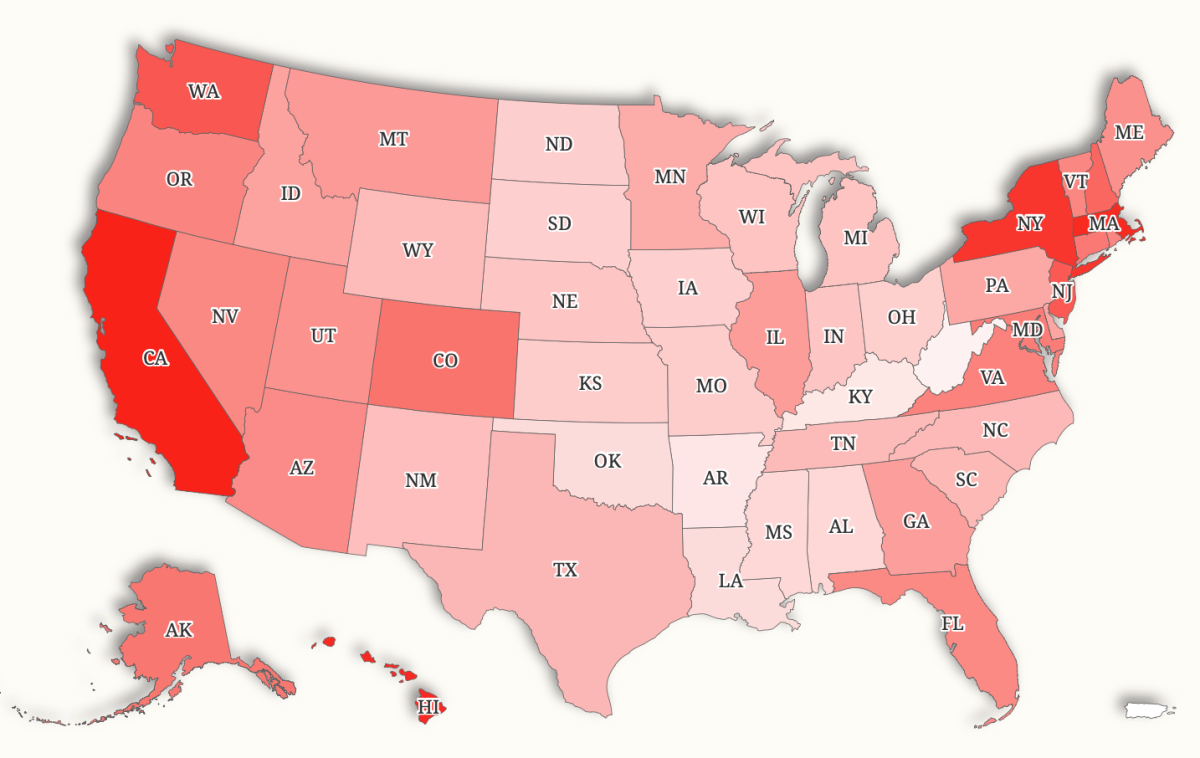
To examine how far next year's benefits could stretch, Newsweek analyzed the projected average Social Security retirement benefit against the annual after-tax income required for a single adult with no children in every state, as calculated by the Massachusetts Institute of Technology (MIT). The analysis shows a shortfall in all 50 states, with the gap exceeding $20,000 a year in six of them and reaching more than $25,000 in some. The comparison provides a picture of where retirees who depend heavily on Social Security could face the greatest pressure from basic living costs, even with an incoming boost to benefits.
Individual circumstances can differ substantially, and many retired households have pensions, savings, investment income or earnings in addition to Social Security payments. The analysis compares the projected $25,716 annual Social Security benefit with the required annual income after taxes for one adult with no children in each state. California has the widest gap in the country, with a required annual income of $51,416, almost exactly twice the projected Social Security amount, leaving a shortfall of $25,700 a year.
Hawaii ranks second, with required income of $50,771 and a gap of $25,055. Massachusetts follows at $50,697, leaving the projected average benefit $24,981 short. In New York, the required annual income of $49,855 produces a $24,139 gap.
Washington rounds out the top five, with required income of $46,879 and a shortfall of $21,163. New Jersey follows closely with a gap of $21,030, meaning six states have shortfalls exceeding $20,000 a year. Across all 50 states, the average gap is approximately $15,052 a year, while 23 states have shortfalls of at least $15,000.
Extract — continue reading at the source.