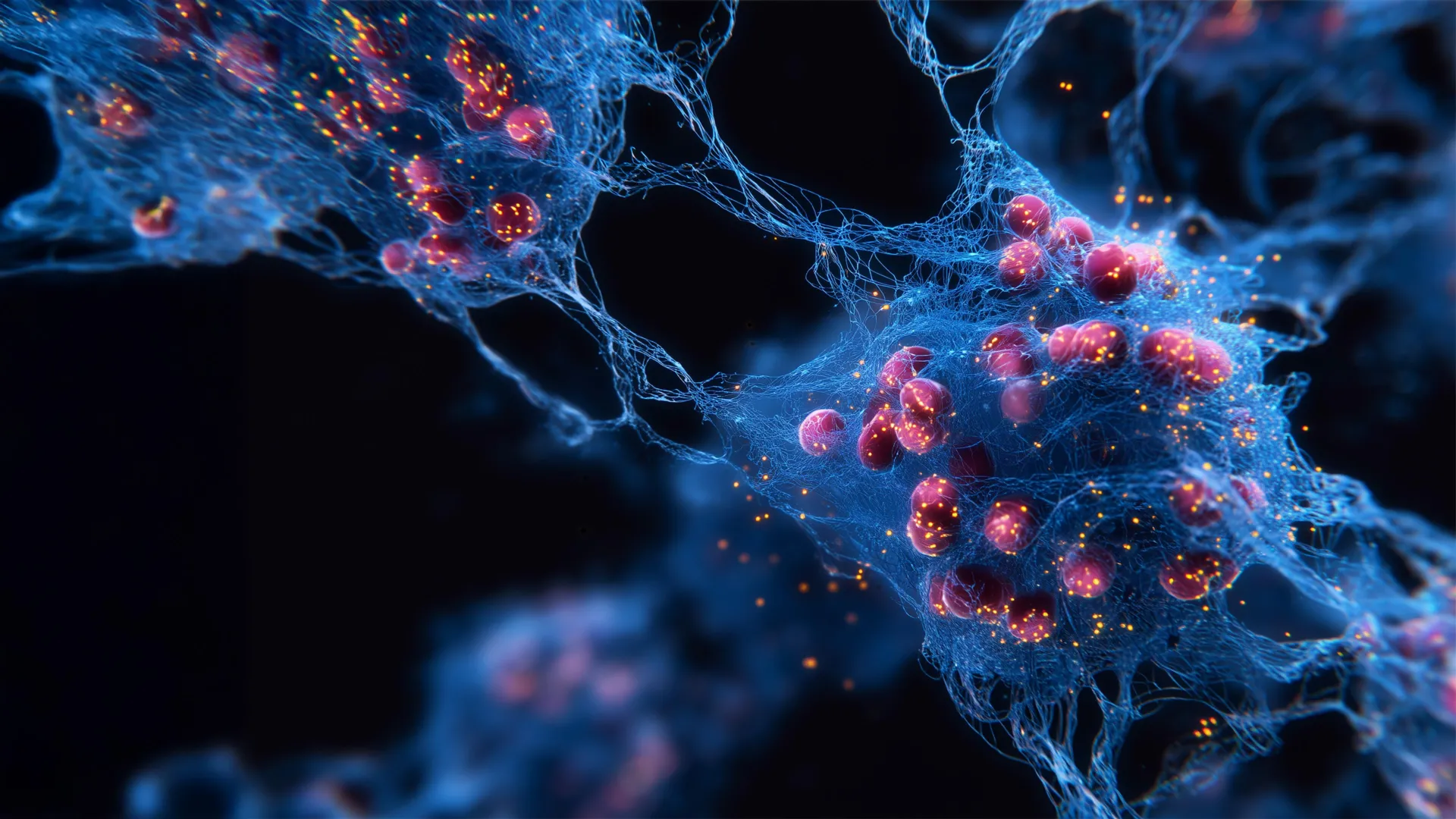
Seven studies from Mayo Clinic are revealing new details about senescent cells, often called "zombie" cells because they stop dividing but remain active in the body. These aging cells release inflammatory substances that can contribute to diseases associated with growing older. The research, published in Nature journals, was conducted by scientists at Mayo Clinic's Robert and Arlene Kogod Center on Aging.
Rather than simply confirming that senescent cells play a role in aging, the studies investigate how to recognize different types of these cells, why they produce harmful inflammation and how their effects might be reduced. The findings also contribute to a nationwide effort to create detailed maps of senescent cells throughout the human body. Known as the Cellular Senescence Network (SenNet) Consortium, the project brings together researchers across the United States and receives funding from the National Institutes of Health Common Fund.
Its goal is to document where senescent cells occur in different tissues and how they change throughout a person's lifetime. "This body of work is moving the aging field forward to precisely identify, understand and target the specific senescent cells that contribute to age-related dysfunction, which is the necessary groundwork to develop new therapies that support healthy aging," says Marissa Schafer, Ph.D., a Mayo Clinic scientist whose laboratory directed several of the investigations. Scientists Discover That Zombie Cells Are Not All Alike Identifying senescent cells reliably has long been a major obstacle for scientists studying aging.
The new research shows that these cells are much more varied than previously understood. Their characteristics differ depending on where they are located in the body and which biological processes caused them to become senescent. To help address this challenge, researchers developed a tool called the SenMayo gene set.
It uses patterns of gene activity to identify senescent cells more consistently across tissues and experimental systems. Scientists tested the approach using bone biopsies from older adults. They also found that the gene signature became less prominent after senescent cells were removed in preclinical experiments.
Since its development, SenMayo has become a widely used resource for researchers investigating aging and related diseases. Mayo Clinic endocrinologist Sundeep Khosla, M.D., served as senior author of the study, "A new gene set identifies senescent cells and predicts senescence-associated pathways across tissues." Other Mayo Clinic researchers who contributed to the paper include Nathan LeBrasseur, Ph.D., Diana Jurk, Ph.D., João Passos, Ph.D., and LaTonya Hickson, M.D.. A Hidden Connection Between Mitochondria and Chronic Inflammation Other studies explored one of the most damaging features of zombie cells: their tendency to generate ongoing inflammation.
Extract — continue reading at the source.