Unprecedented moves in the AI space this week are giving stock market experts flashbacks to one of the most famous corporate scandals in history, stoking fears that we're in line for a similarly catastrophic fallout. The headline-worthy $500 billion that Wall Street just announced it's providing Nvidia clients to scale their AI infrastructure marks the beginning of an untested new future for financial engineering that commentators such as Ed Yardeni and Michael Burry are extremely wary of. And, based on the implications for the average portfolio and the economy at large, you may need to be wary, too.
Jeff Bezos backs a platform that lets anyone invest in rental homes for as little as $100 — 6 ways to build wealth like a landlord without actually being one Dave Ramsey warns nearly 50% of Americans are making 1 big Social Security mistake. Here's what it is and 3 simple steps to fix it ASAP The tax breaks in Trump's 'big beautiful bill' expire after 2028. Here are 4 moves to make before the window closes Burry, famous for calling the subprime mortgage crisis before it happened, drew comparisons between the mind-blowing recent investment to the 2001 fall of Enron, the energy corporation that went from trading $2.5 billion in commodities a day to filing for bankruptcy (with some unsavory accounting gymnastics to obscure its failures in between).
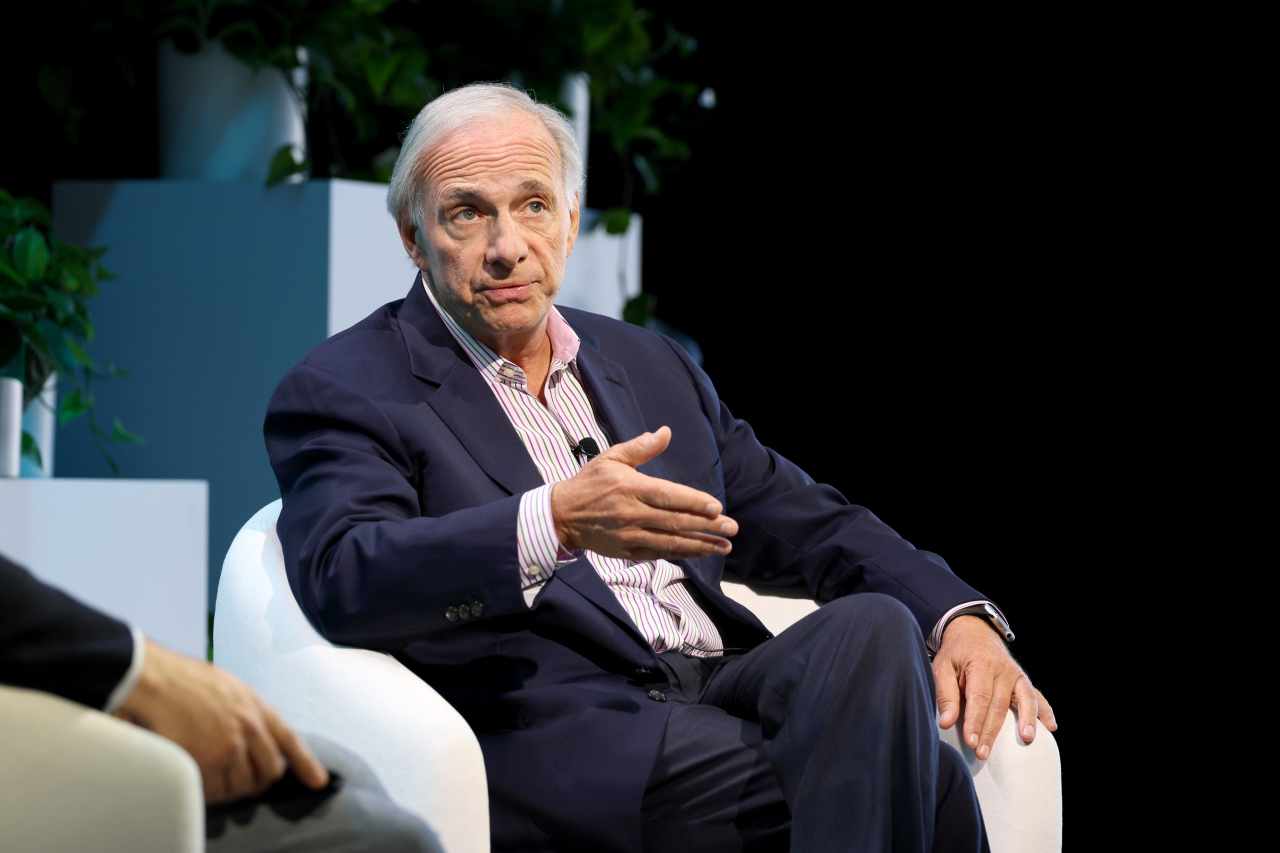
In a post on his popular Substack, Burry, the former hedge fund manager-turned-investment blogger revealed that, as of Aug. 11, he's leaning more into short-selling Nvidia, the computer chip manufacturing giant that has grown to become one of the world's most valuable companies. This means he expects Nvidia's high-flying share value to fall, not rise after this latest move, which he called a "Wall Street stunt" with "shades of Enron's effort to make wholesale power an investable class." "Structuring credit is a natural part of the system. Structuring unnatural credits to prolong momentum late in the bull phase is where the worry comes in," he explained in his post, with the warning that "off balance sheet liabilities today are putting both 2000 and 2008 to shame." His main concern, as he's expressed in the past, is the circular type of financing that Nvidia is engaged in, including backstopping its own customers' enormous projects, loaning entities money that they in turn use to purchase Nvidia technology, and acquiring equity in client firms that keep its business going.
This week's agreement, though it looks like a departure from this worrying funding feedback loop due to the involvement of private credit, only serves to complicate the messy subsidization of the sector, which happens to be underpinning the stock market and economy, and is running almost entirely on debt at this point. It's also yet another way for Nvidia to create demand for its own product to increase its revenue on paper despite enormous liabilities — liabilities that depend on the future, uncertain gains of AI. As Burry wrote on X, "that $500 billion Nvidia Wall Street stunt involves Nvidia taking 25% stakes & providing residual value guarantees on purchase of its chips.
All filtered through Private Equity's Private Credit schemes. I have an idea how that will look." Read More: Vanguard reveals what's coming for U.S. stocks — and it could be bad news for this group of investors While on the topic, the talking head encouraged his followers to read up on the history of the Enron scandal, as he believes "history is repeating," not just in the way that AI has created a bubble similar to the one that accelerated Enron's demise, but in the way that these mega deals employ some accounting gymnastics that keep balance sheet numbers palatable. "There is no mystery why the revenue numbers are so good, even as losses expand, free cash flow turns negative, and off-balance sheet leverage explodes," he said of the AI bull run that just won't quit despite the many red flags.
The atypical funding strategies that Nvidia in particular is employing to keep the AI superboom rolling have been under scrutiny for weeks, with one portfolio manager telling Bloomberg in July that the fact that "capital is increasingly being used to fund future AI customers and infrastructure deployments" is cause for trepidation. That Bloomberg analysis included charts — which Burry has since shared to social media — outlining how Nvidia's $5-trillion valuation is largely tied up in circular AI contracts. Millionaires under 43 hold only 25% of their wealth in stocks.
Extract — continue reading at the source.