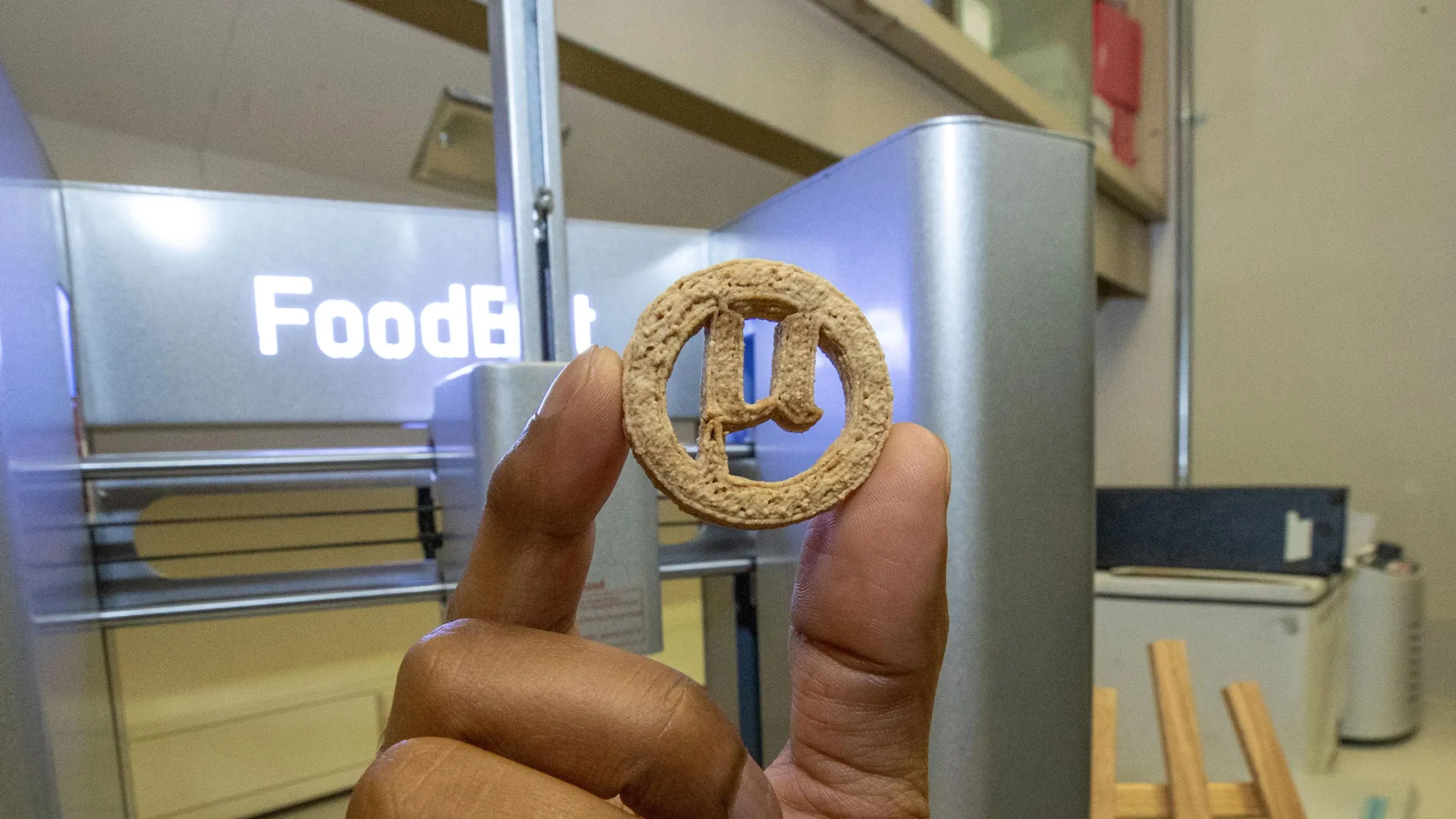
Plastic bottles and cookies may seem to have nothing in common, but researchers are finding a way to connect the two. By engineering yeast, scientists have developed a system that can transform compounds from plastic and agricultural waste into edible proteins, vitamins, flavorings, and other food ingredients. The approach could provide a new way to reuse difficult waste while also helping produce food in places where conventional supplies are limited.
Potential applications range from disaster zones on Earth to human missions deep into space. The researchers presented their results at the fall meeting of the American Chemical Society (ACS) during the "Undergraduate and Graduate Research in Biochemistry and Chemical Biology" symposium at McCormick Place. "Microbes are very clever.
So, we are using their traits to solve the problems we created." — Lahiru Jayakody Plastic pollution and food insecurity are two major global challenges, and researchers at Southern Illinois University (SIU) Carbondale are exploring whether one problem could help address the other. Their goal is to use microorganisms to convert waste materials into food that people can safely eat. The research grew out of a NASA-led project focused on producing food in the resource-limited conditions of deep space exploration, where astronauts cannot depend on regular shipments from Earth.
"We were trying to develop technologies for plastic upcycling to make more valuable products. We thought, why not focus on making food? Because plastic is carbon and food is carbon," explains Associate Professor Lahiru Jayakody.
A major target is polyethylene terephthalate (PET), a widely used plastic found in products such as soda and water bottles. PET contains carbon-rich molecules that can potentially be broken apart and rebuilt into useful compounds, including components that can ultimately become proteins. Scientists could perform some of those transformations using chemical reactions and laboratory solvents.
The SIU Carbondale team instead turned to microbes, which can carry out complex biochemical processes naturally. Jayakody adds, "Microbes are very clever. So, we are using their traits to solve the problems we created." Engineering Yeast as Tiny Food Factories Using microorganisms to manufacture useful substances is already well established.
Extract — continue reading at the source.