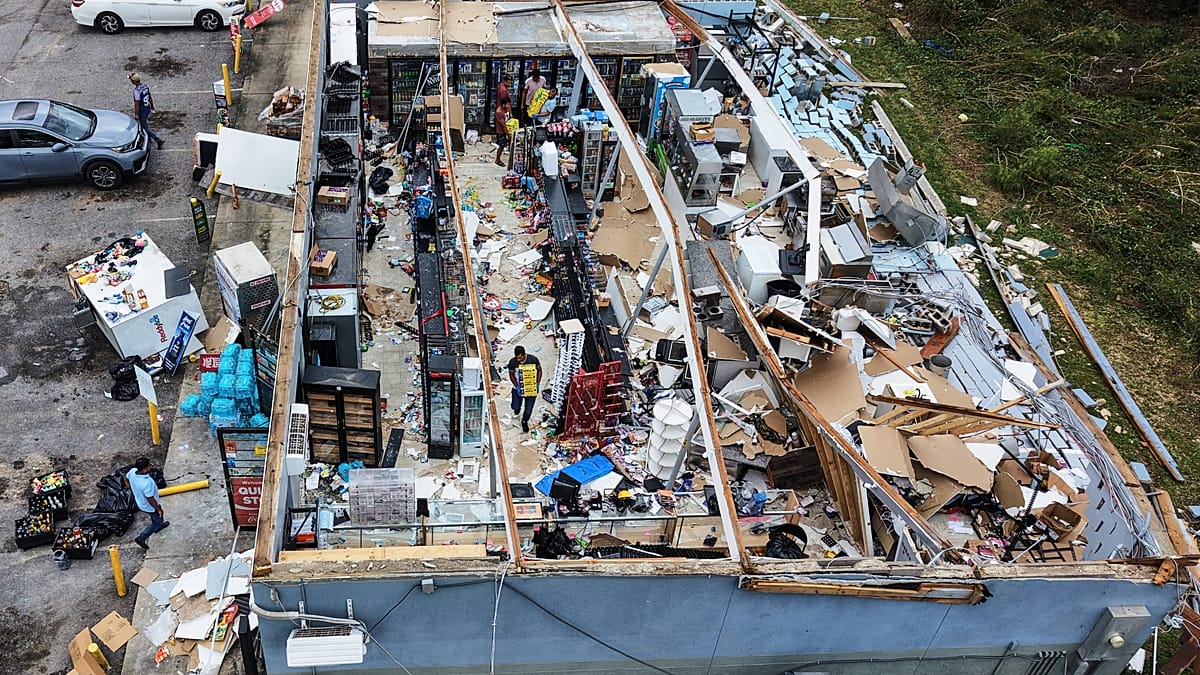
Gaza City, Palestine – Six months after a ceasefire agreement was signed on October 10, 2025, the reality on the ground in the Gaza Strip remains fragile, oscillating between relative calm and recurring escalation, with no tangible improvement in humanitarian or security conditions for Palestinian civilians. The agreement between Israel and Hamas was brokered internationally after a devastating war lasting two years, resulting in more than 72,000 Palestinian deaths and tens of thousands of injuries. It was expected to mark a turning point towards ending the war and initiating a recovery phase for Gaza’s population.
At its core, the agreement stipulated an immediate and comprehensive ceasefire, including the cessation of all ground and air military operations, alongside a gradual withdrawal of Israeli forces from within the Strip – particularly from populated areas – in order to reduce direct contact with civilians. It also included expanded humanitarian arrangements, most notably the regular opening of border crossings like the Rafah crossing; enabling greater freedom of movement for individuals; and the improved entry of aid, including hundreds of daily trucks carrying food, medicine and fuel, with guarantees that assistance would reach all areas of the Strip without obstruction. In parallel, the agreement outlined a reconstruction framework under international supervision aimed at rehabilitating destroyed infrastructure and housing, as well as phased prisoner and detainee exchanges, and the establishment of an international monitoring mechanism to oversee this implementation.
However, six months later, field data and reports from international organisations show that these commitments have not been fulfilled as promised. No full ceasefire has been achieved, no comprehensive withdrawal has taken place, aid has remained below agreed-upon levels, and border crossings have continued to operate intermittently under shifting security and political conditions. Amid this fluctuating agreement, people in Gaza remain trapped in instability, amid ongoing Israeli violations and daily volatility across all aspects of life.
This has turned the ceasefire from a stable framework for ending the war into a partial, temporary truce used to manage rather than resolve the crisis. During the months that the agreement has been in place, the Israeli army has continued its attacks, raising questions about the fragility of the ceasefire and the role of mediators in enforcing its terms. Gaza’s Government Media Office has documented more than 2,073 violations between October 2025 and March 2026, including Israeli air strikes, gunfire and incursions.
In the first weeks of the truce alone, about 497 violations were recorded, resulting in 342 Palestinian deaths, while by December, the toll had reached 379 killed and 992 injured, according to Ministry of Health data. In the following months, violations continued at a lower intensity – but did not stop. Field reports consistently documented deaths resulting from air strikes and gunfire, including attacks near schools and residential areas.
By April this year, the total death toll since the start of the ceasefire has exceeded 700 Palestinians, according to official sources. These figures suggest that the agreement lacks an effective enforcement or monitoring mechanism, and no guarantor capable of ensuring compliance on the ground. In practice, the ceasefire did not stop the killing; it reshaped it into a lower intensity but continuous pattern.
Extract — continue reading at the source.