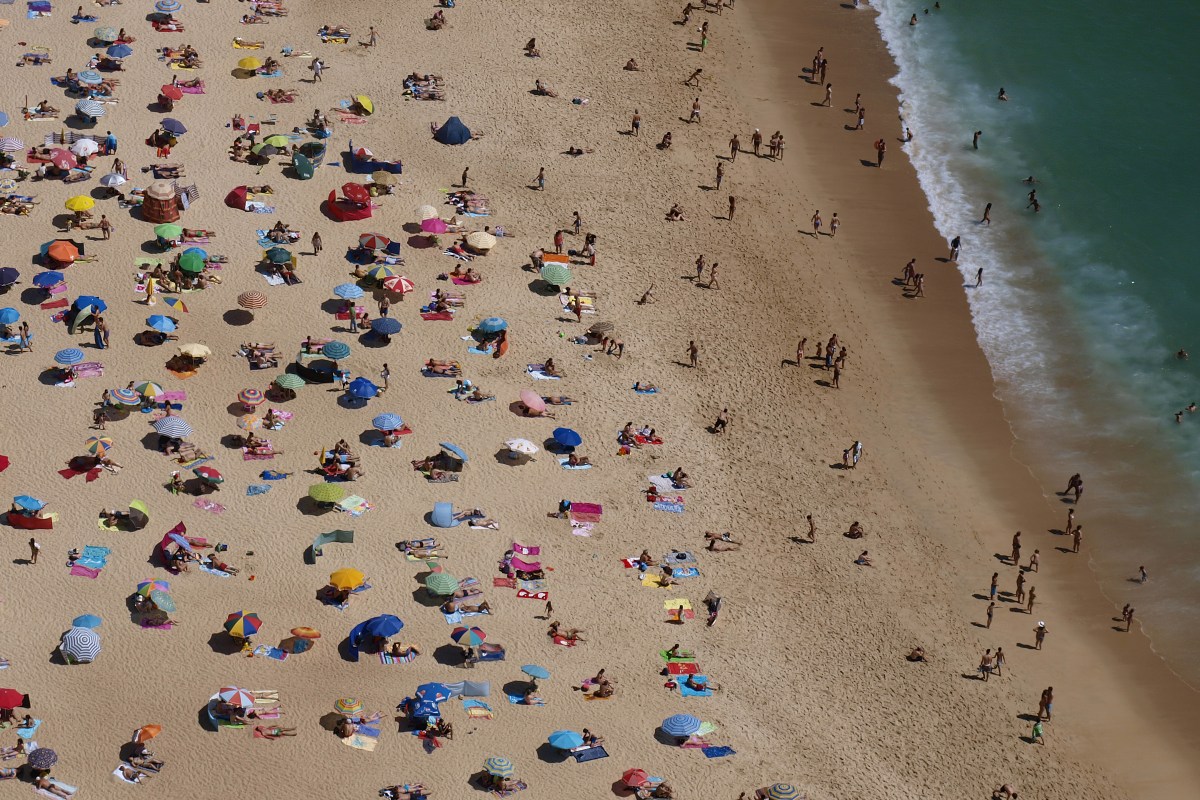
Global tourism is surging, but visitors and locals alike are tired of sightseeing culture. At the same time, climate change, modern work and new technologies are reshaping how and where we travel. Here’s a look at the biggest forces redefining tourism in 2026 and beyond.
It’s the high season for global tourism, and 2026 is careening toward another record-breaker. Some 307 million people traveled internationally in the first quarter—2 percent more than last year. Incremental, perhaps, but zoom out and the change within a generation is dramatic.
It's more frequent, more international, more blended between work and vacation,” says Greg Jung, chief marketing officer at U.S.-based travel insurance company Seven Corners. Indeed, 66 percent of people say they have become more interested in travel since the COVID-19 pandemic, and 81 percent of business travelers are now likely to take “bleisure” trips. But the shift runs deeper than Zoom calls by the pool.
Nearly half of 18- to-34-year-olds prioritize travel over property, according to a poll by Realty Mogul. Meanwhile, Baby Boomers—the richest living generation—average more leisure trips per year than any other age group. Yet tourist behavior is not all that has changed.
Climate change, overtourism and technology have transformed the holiday landscape. Popular cities like Tokyo and Lisbon have started pushing back against the hordes with visitor caps and taxes. Others, like Bangkok and southern France, are facing increasingly deadly heat waves.
In the wake of the budget airline and travel marketplace boom, well-known landmarks have gone out of fashion and niche destinations and activities have come in. What does the future of travel hold? From “new luxury” and emerging hotspots to the rise of AI concierges and hyper-connected flight cabins, we asked 50 leading tourism executives to peer into the crystal ball.
Extract — continue reading at the source.