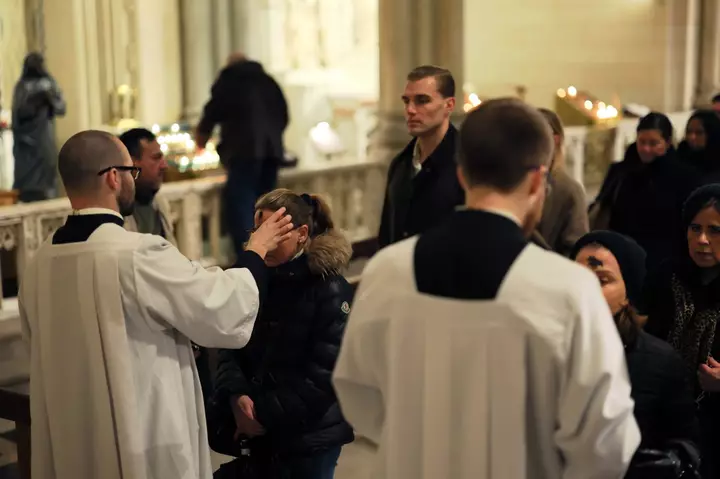
A new law signed by President Donald Trump will allow certain religious leaders who previously opted out of Social Security to reverse that decision, enabling them to once again qualify for benefits in retirement. Trump signed the bipartisan Clergy Act into law on Tuesday, creating a temporary window for qualifying members of the clergy who previously obtained an exemption from Social Security coverage to revoke it. The change applies to a small group of ordained, commissioned or licensed ministers or other members of religious orders and Christian Science practitioners with qualifying exemptions.
Previously, clergy who elected to opt out generally could not change their minds, but the new law will allow eligible individuals to opt back in for the 2029 or 2030 tax year. Members of the clergy receive special treatment under the Social Security tax system. The Internal Revenue Service allows ordained, commissioned or licensed ministers, members of religious orders who have not taken a vow of poverty, and Christian Science practitioners to apply for an exemption from self-employment tax on their ministerial earnings on religious grounds.
Those seeking the exemption must certify that they are opposed to accepting qualifying public insurance benefits, including the programs established by the Social Security Act. However, this decision can carry significant consequences later in life because those who opt out do not pay Social Security and Medicare taxes on their covered ministerial income. The law does not allow any American who previously chose not to participate in Social Security to opt back into the program.
Instead, the Clergy Act only applies to exemptions under Section 1402(e)(1) of the Internal Revenue Code held by a: According to the House Ways and Means Committee, roughly 2,000 people take the opt-out. Under the law passed by Congress, qualifying clergy can revoke their existing exemption by filing an application no later than the due date for their federal income tax return for their first taxable year beginning after December 31, 2028. Still, Michael Ryan, a finance expert and the founder of MichaelRyanMoney.com, cautioned that “those missing decades don't magically come back.” “They still have to earn enough credits to qualify," Ryan told Newsweek.
Even a housing allowance can enter that calculation. For an older priest or pastor, the question becomes whether the additional taxes and years of work will produce meaningful benefits.” The individual can choose to make the revocation effective for either their first or second taxable year beginning after December 31, 2028. For most calendar-year taxpayers, that means 2029 or 2030.
Once a person revokes the exemption under the new law, the change applies for subsequent tax years and that person cannot later apply again for the same clergy exemption. The IRS Form 4361 requires applicants to certify that they are conscientiously opposed, or opposed because of religious principles, to accepting public insurance covering areas such as old age, retirement, disability and medical care. The new law effectively recognizes that some people who made that choice years ago may no longer want to remain outside the system.
Extract — continue reading at the source.