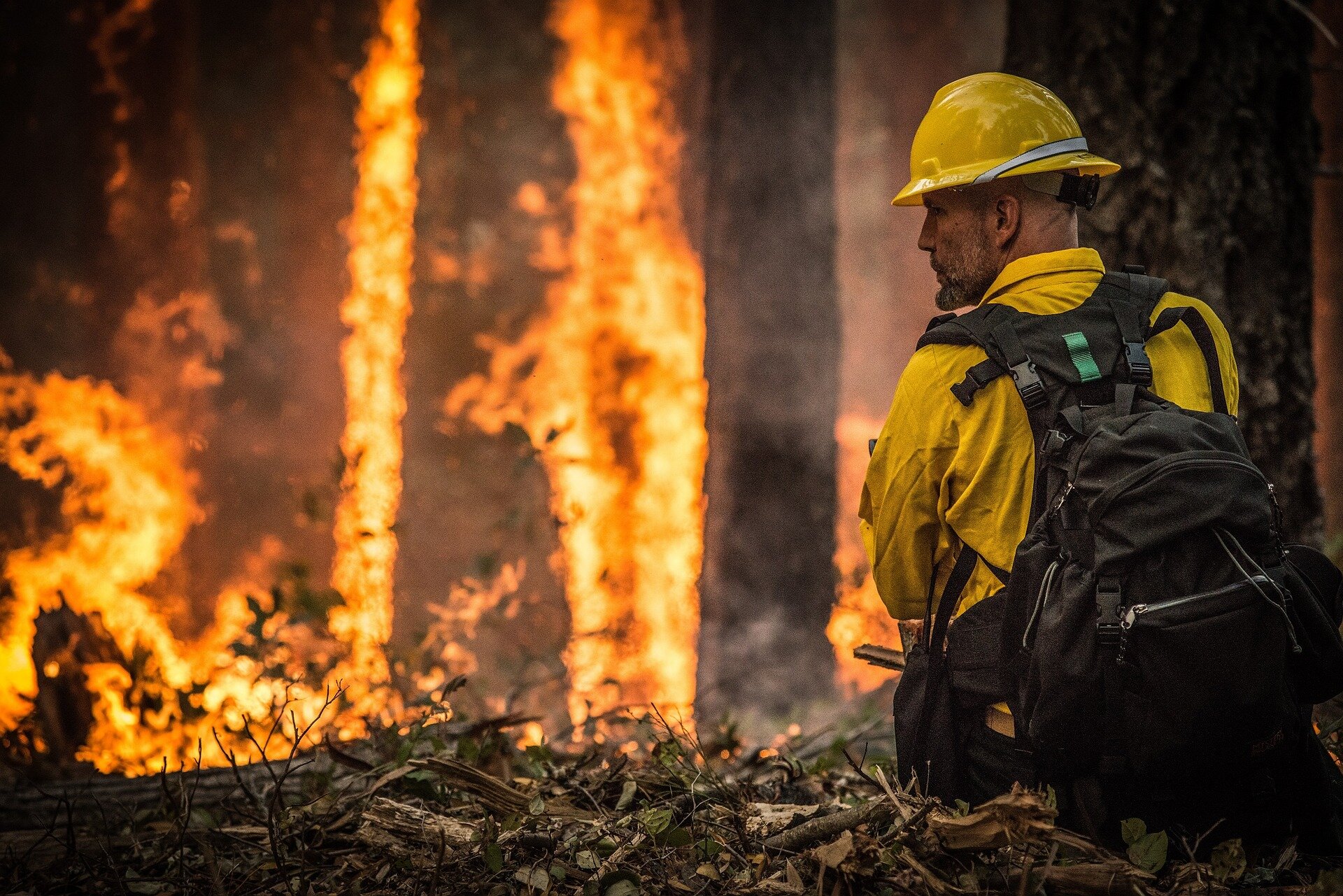
This article has been reviewed according to Science X's editorial process and policies. Editors have highlighted the following attributes while ensuring the content's credibility: Firefighters have been battling a vast wildfire in the hills above Blaenavon in south Wales, spreading across more than 4,000 hectares (9,900 acres), for three weeks. Around 200 military personnel were called in to support exhausted fire crews as more fires broke out across the south Wales valleys.
Smoke from Blaenavon could be seen from Cardiff and Gloucestershire. We cannot stop all such wildfires. But it's possible to make our landscapes more resilient to them—by restoring and recreating a natural habitat we have spent centuries doing our best to remove: wetlands.
Over 75% of the UK's bogs, fens, marshes and other wetlands have been dug up, drained and destroyed since 1700, stripping the landscape of much of its natural ability to hold water. Restoring them would keep soils and vegetation wetter, providing less fuel for flames. Strategically placed wetlands could also form natural breaks that slow fires before they reach homes, forests or farmland.
This is becoming increasingly important. Across England and Wales this summer, firefighters had already responded to 966 wildfires by August 10, including 458 during July alone. Many of the upland areas affected by wildfires are peatlands, or bogs, but that does not mean they are still functioning as healthy wetlands.
In a healthy bog, waterlogged conditions prevent dead plants from fully decomposing, so their remains slowly accumulate as peat, rather like a giant inefficient compost heap. Where bogs have been drained, as many have been for generations, the water table falls and the peat and vegetation dry out, creating more fuel during prolonged hot weather. If flames reach the peat, they can smolder underground and reappear elsewhere, making the fire extremely difficult to extinguish.
This was one of the problems faced by firefighters at Blaenavon. Creating more wetlands does not mean indiscriminately flooding productive farmland or turning every hillside into a bog. In many places, it can mean restoring wetlands that existed before people drained or damaged them.
Extract — continue reading at the source.