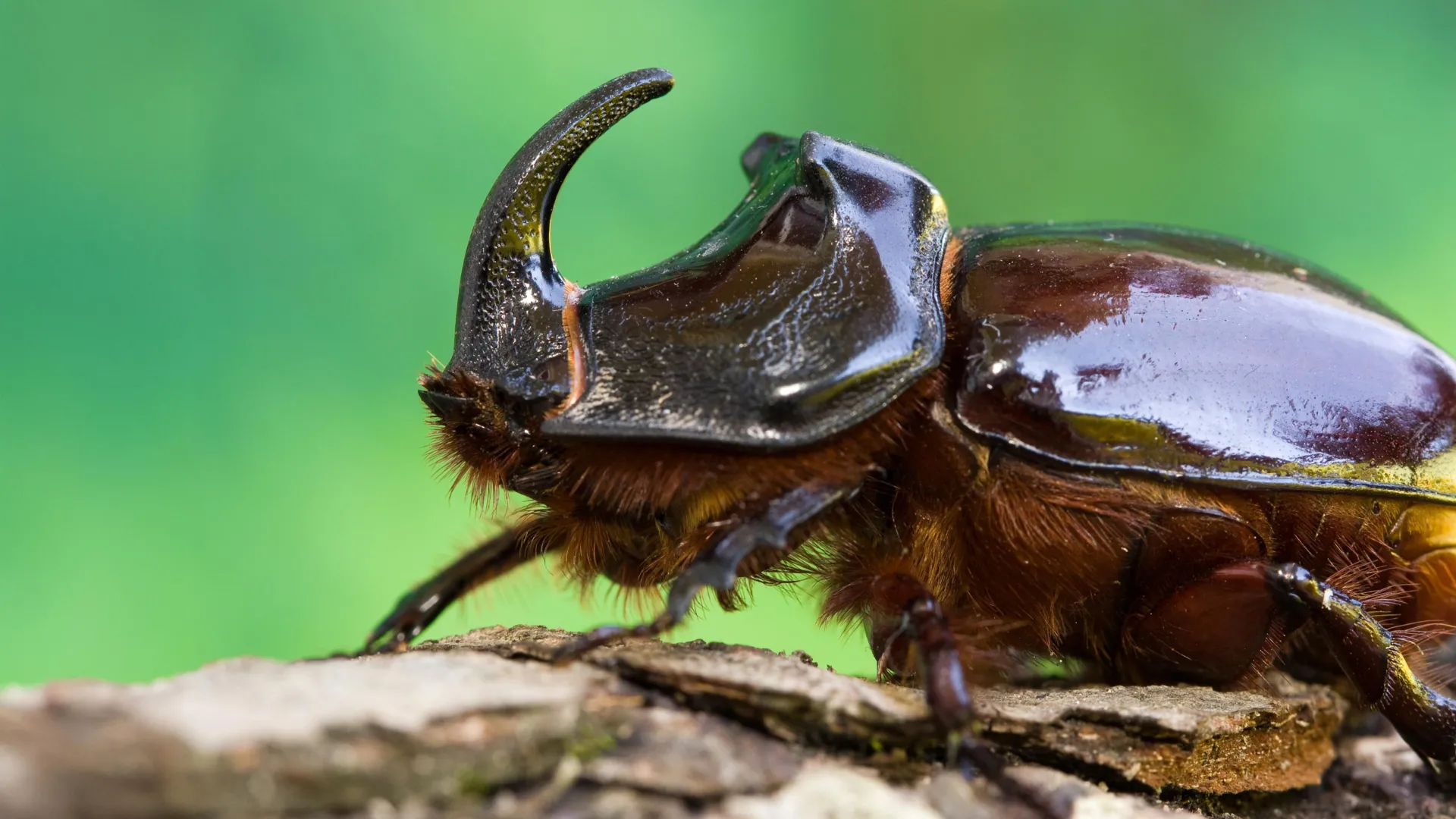
Scientists at Monash University have proposed a new global strategy to address a major weakness in biodiversity conservation. Insects are essential to ecosystems, agriculture, and food production, yet conservation efforts across tropical regions often fail to account for them. The international research was led by Dr.
Shawan Chowdhury, head of the Global Change Ecology Lab at Monash University's School of Biological Sciences. Published in BioScience, the study brought together experts in tropical ecology from around the world to identify the main barriers to protecting insects and outline practical ways to overcome them. Most of Earth's Insects Live in the Tropics Insects are the most diverse group of animals on the planet.
Scientists estimate there may be between 14 and 30 million insect species, and most have not yet been formally documented. Their ecological importance is enormous. Insects pollinate more than 80 percent of wild plant species, serve as food for 60 percent of bird species, and support food webs, nutrient cycling, and global food production.
Despite growing evidence that insect populations are declining, much of the scientific knowledge used for conservation comes from temperate regions. Those regions account for only about 20 percent of the world's insect diversity. Chowdhury said this imbalance creates a serious risk that conservation programs will miss the places where most insect species actually live.
"More than 80 percent of insect species occur in the tropics, yet these are the very places where we have some of the biggest gaps in our knowledge," Dr. "We cannot effectively conserve species if we don't know what is there, where populations are changing, or even where important existing knowledge can be found. "Insects are fundamental to functioning ecosystems and food production, but they remain dramatically underrepresented in biodiversity monitoring, protected areas and conservation policy." Four Major Barriers to Insect Conservation The research team identified four major problems limiting tropical insect conservation: poor global visibility of existing research, severe data gaps, inadequate scientific infrastructure, and too little conservation action.
To address those weaknesses, the framework recommends drawing on a much broader range of information. That includes conventional scientific studies as well as regional and non-English publications, museum collections, local knowledge, citizen science, observations shared on social media, and emerging technologies. The researchers also stress the need to strengthen local scientific capacity and make sure that useful evidence reaches policymakers who can turn it into conservation decisions.
Extract — continue reading at the source.


