Defense Secretary Pete Hegseth sparked backlash from U.S. military veterans and several European politicians after suggesting "one or two" U.S.-allied countries were actively involved in combat operations in Afghanistan as the yearslong conflict drew to a close. Hegseth, who completed active-duty deployments in the Middle East, including Afghanistan, told cadets and military recruits at the University of Tennessee on Saturday he recalled dozens of flags on display in Kabul during the two decades of U.S. and NATO-led fighting against the Taliban. "Except there were, like, maybe five that contributed," Hegseth remarked.
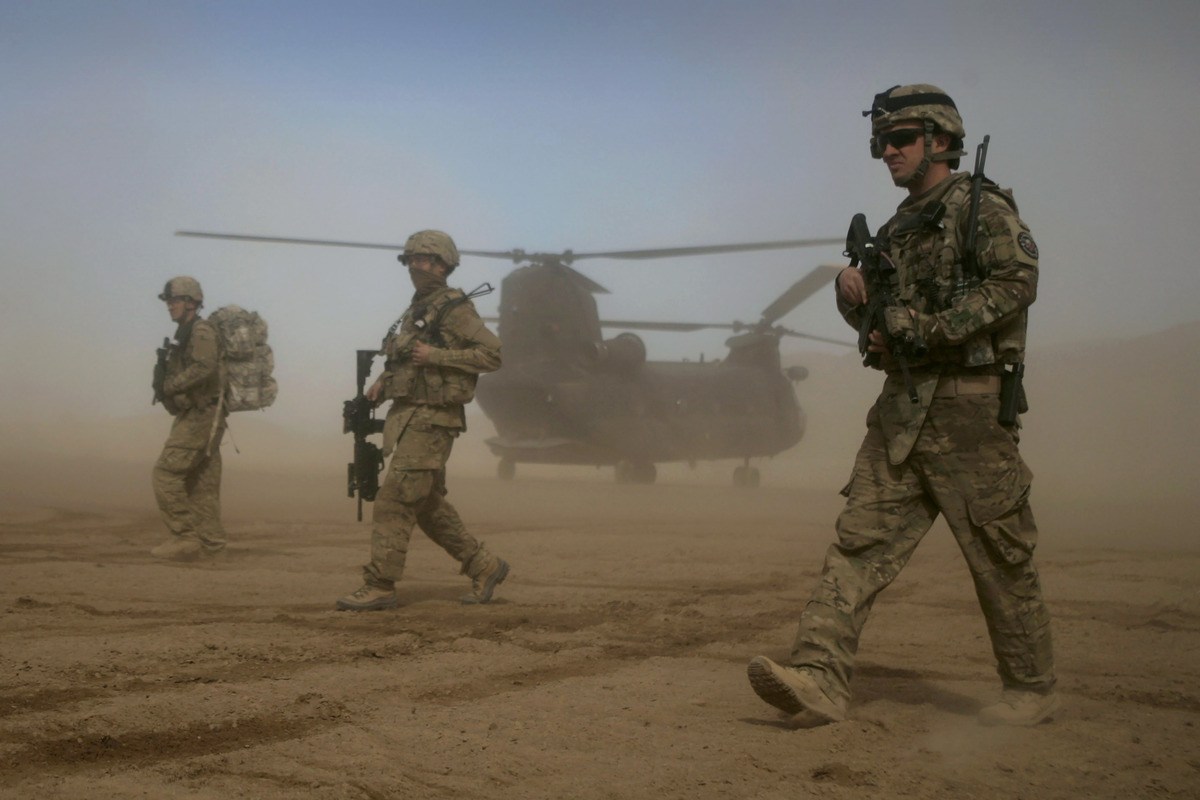
"It was actually closer to one or two that, by the end, were actually involved in kinetic operations." A total of 51 NATO and U.S.-aligned countries deployed troops to Afghanistan after the 9/11 terrorist attacks in 2001, as part of the International Security Assistance Force (ISAF) mission and the U.S.'s Operation Enduring Freedom. It is the only time a NATO member has activated Article 5, the alliance's mutual defense clause which obliges all NATO states to defend a member under attack. The number of troops in Afghanistan dropped as control was handed over to local security teams, but countries as far-flung as Mongolia, South Korea, and New Zealand put forward troops and supplies.
"The patch, ISAF—we would joke that it meant, 'I Saw Americans Fighting,'" Hegseth told the gathered crowd in Knoxville. Hegseth's comments quickly drew condemnation, including from retired U.S. General Ben Hodges, the former commander of U.S.
He called Hegseth's address "shameful," and referenced the more than 1,000 non-American soldiers who died during the U.S.'s longest-running war. "Why would the Secretary think it was appropriate to disparage our Allies in front of these young Cadets, future Officers?" Hodges added. A total of 2,461 U.S. service members died in Afghanistan over the nearly 20-year conflict, making up the bulk of the casualties.
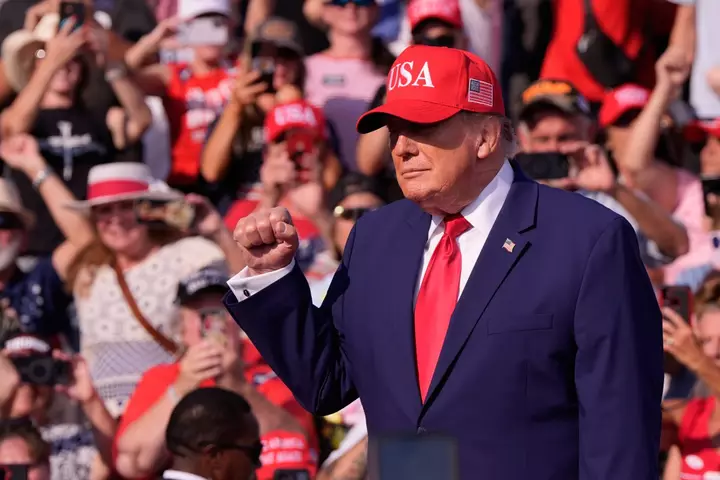
But more than 1,000 personnel from other countries were killed in the country, including 165 Canadian troops and civilians and 90 French personnel. Trump sparked backlash from American allies earlier this year when he suggested non-U.S. soldiers "stayed a little back, a little off the frontlines" in Afghanistan—although the president later praised British soldiers as "among the greatest of all warriors" and nodded to the 457 British troops and civilians who died in the war. Prime Minister Keir Starmer called Trump's remarks "appalling." While many NATO countries are typically somewhat restrained in criticizing the alliance's most powerful member—on whom they still heavily depend militarily and diplomatically—the Trump administration's denigration of American allies' contributions to the war in Afghanistan has pulled sharp rebukes from top officials, particularly in Europe.
A total of 25 Dutch personnel were killed in Afghanistan between 2001 and 2021, and 44 Danish soldiers lost their lives in the country. Responding to a clip of Hegseth speaking in Knoxville, Polish foreign minister and deputy prime minister, Radosław Sikorski, said the U.S. defense secretary should direct his message to "the families of 44 Polish soldiers who died securing the tough Ghazni province." The city of Ghazni, in southeastern Afghanistan, was the focus of a major Taliban offensive against Western-backed Afghan government forces in 2018, a major transit hub sitting between the Afghan capital and its second-largest city, Kandahar. Army veteran and Democrat House of Representatives candidate in Missouri, said Hegseth's speech was a "despicable smearing of our allies in Afghanistan." Contact Newsweek editors on this story: Rebecca Flood and Emma Lee-Sang
Extract — continue reading at the source.