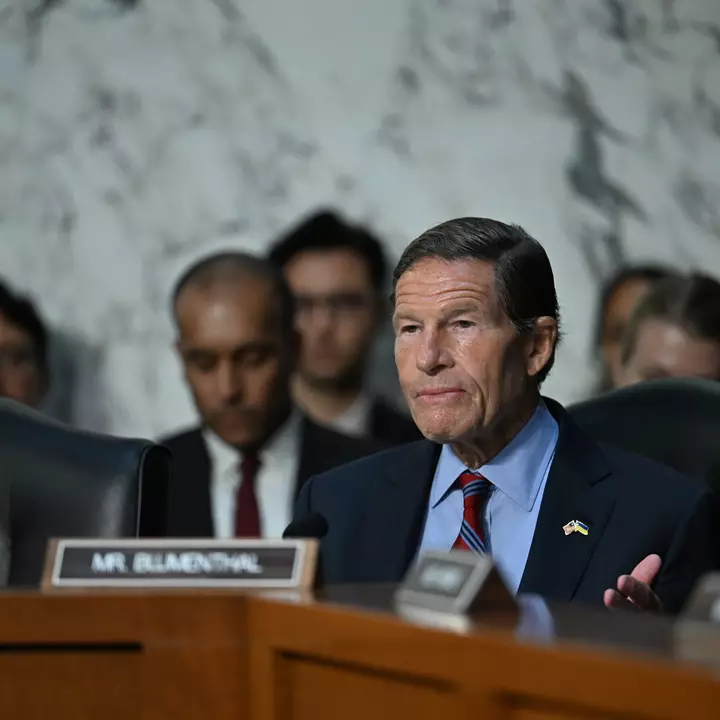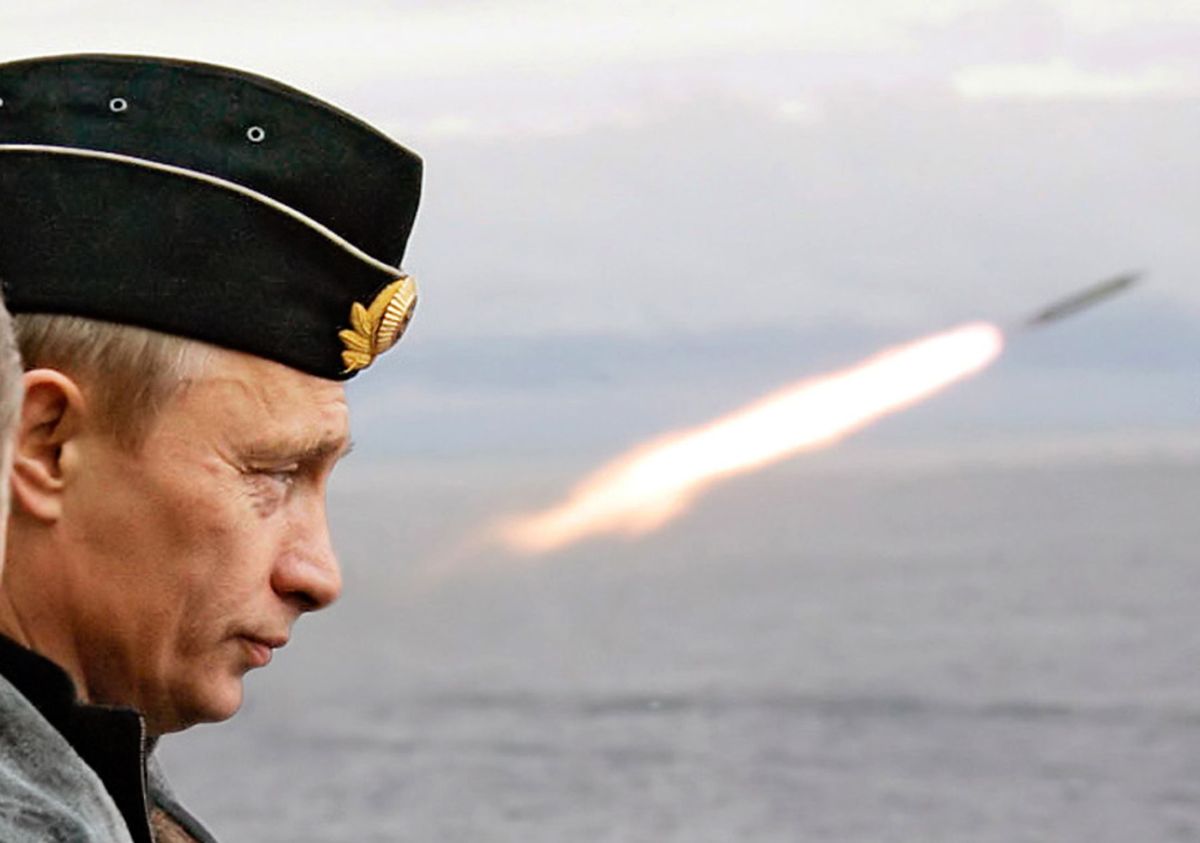
Russia’s tactical nuclear weapons were back in the news this week, which is exactly where the Kremlin likes them. The culprit this time appeared to be a Bloomberg report citing sources close to the Kremlin that a growing number of Russian officials have concluded Vladimir Putin might ultimately use tactical nukes in Ukraine as a last resort, the same week that CIA Director John Ratcliffe made an unannounced visit to Moscow. Some Russian hawks aren’t afraid to say it out loud, either.
Igor Korotchenko, military analyst and editor of Russia’s National Defense magazine, recently declared Russia’s General Staff should devise a plan to cut Ukraine off from European weapons supplies using them. Earlier this year, ultra-hardline oligarch Konstantin Malofeyev advocated for a "20-25 kiloton strike" to end the special military operation within a month. Terrifying stuff—until you go beyond the headlines and scary quotes.
If you printed off all the evidence to suggest that Russian tactical nuclear threats are overblown, stacked that up and dropped it on Ukraine, it might cause more damage than an actual warhead. Moscow’s most useful nuclear weapon is the one it never fires, one whose yield is measured by how hesitant it makes Ukraine’s benefactors to provide more support, and the number of politicians wondering whether this particular Russian "red line" might finally be the real one. A mammoth study, published in December 2025 by researchers at the German Institute for International and Security Affairs (SWP) and Peace Research Center Prague, catalogued more than 400 nuclear-related statements and actions from the run-up to the full-scale invasion through January 2025.
Of 282 Russian signals, by far the largest category was what the researchers called "nuclear escalation risk signaling"—rhetoric designed to dramatize the danger of uncontrolled escalation, manipulate Western threat perceptions, and discourage the U.S. and Europe from providing more support to Ukraine. The researchers said they even had to rewrite their methodology to refine their classification of threats because Russian nuclear rhetoric had become so "commonplace and normalized" that simply calling it escalatory stopped being useful. Some of the foremost experts on the Russia-Ukraine war and the wider antagonism between Moscow and the West have come to similar conclusions.
In June, Orysia Lutsevych, deputy director of the Russia and Eurasia programme and head of the Ukraine forum at Chatham House, told the British parliament's House of Commons Defence Committee "we are very far away from the risk of nuclear weapons." Retired Lt. Ben Hodges, the former Commanding General of United States Army Europe and senior adviser to NATO, went further last month, telling Parliament’s Joint Committee on the National Security Strategy there is "almost zero chance" Russia would use nuclear weapons "in and around Ukraine," because there is no benefit. The benefit is in the threat itself and watching the West "frankly, overreact to it." To ensure we were giving this a fair shake, Newsweek asked Darya Dolzikova, one of the foremost experts on nuclear deterrence and a senior research fellow in RUSI's Proliferation and Nuclear Policy programme.
"The prospect of Russian nuclear use is floated regularly in Russian expert and media commentary, and Russian leadership has previously used threats of nuclear use in an apparent effort to coerce Ukrainian partners away from further assisting Ukraine," she said. "I would interpret any latest reports in that same context; I don't currently see the conditions under which the prospect of Russian nuclear use would become credible." Listening to saber-rattling from Russian officials, washed-up army types and propagandists is clearly not a good indicator of whether Moscow’s nuclear threats are legitimate. Earlier this year, nuclear expert at the Carnegie Endowment for International Peace George Perkovich proposed a rather more useful test.
Extract — continue reading at the source.