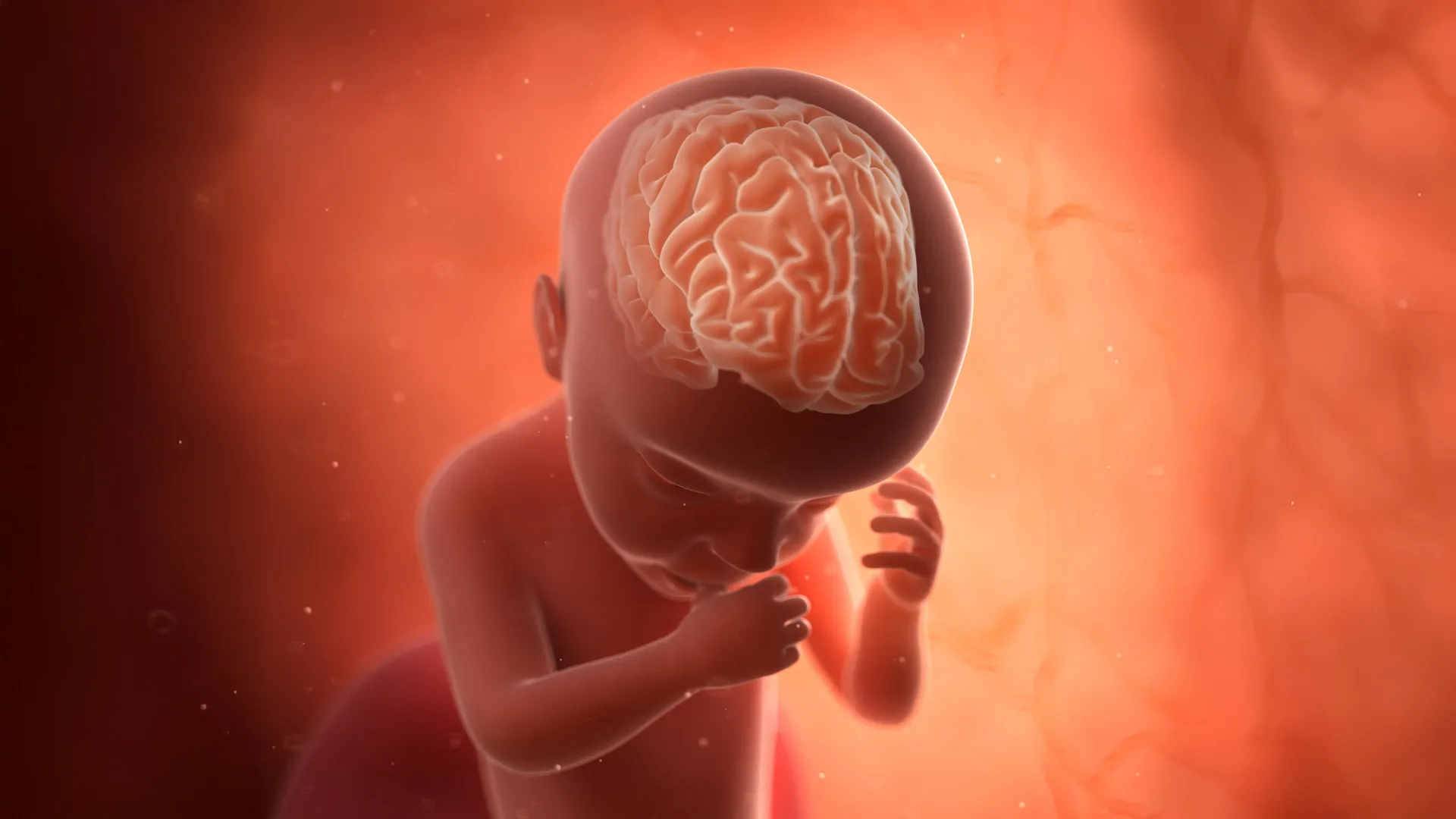
Rare infections that can pass from a pregnant woman to a developing fetus are associated with higher risks of autism and intellectual disability later in childhood, according to a large study from Karolinska Institutet published in JAMA Pediatrics. "It is important to emphasize that it is unusual for these infections to be transmitted from mother to child. They account for a very small proportion of all cases of autism in the population, but for those children who are actually affected, we see a clearly elevated risk of both autism and intellectual disability," says Reneé Gardner, a researcher at the Department of Global Public Health at Karolinska Institutet, who contributed to the study.
The research focused on a group known as TORCH infections. This category includes, among others, cytomegalovirus, rubella, toxoplasma and herpesvirus. While most common infections do not directly reach a developing fetus, these pathogens can sometimes cross the placenta and cause a congenital infection.
The researchers examined health and education records for 3.7 million people born in Sweden between 1987 and 2021. Among this population, 975 people had been diagnosed with a congenital TORCH infection. Participants were followed for as long as three decades, allowing the team to investigate whether these infections were associated with later neurodevelopmental diagnoses and educational outcomes.
Children with a congenital TORCH infection were about three times more likely to later be diagnosed with autism than those without an infection. Their likelihood of receiving an intellectual disability diagnosis was more than seven times higher. For severe to profound intellectual disability, the difference was even larger, with the risk rising as much as 30 fold.
Large Risk Increase, but Few Cases Overall Those figures represent substantial increases in relative risk, but congenital TORCH infections are rare. As a result, they account for only a small proportion of autism and intellectual disability cases across the population. The researchers estimate that congenital TORCH infections may be associated with about 1.2 percent of severe intellectual disability cases in Sweden.
They estimate that about 0.034 percent of autism cases in the country can be attributed to these infections. At the individual level, however, the researchers estimate that roughly one in five children born with a TORCH infection may later develop autism. "It has long been known that these infections can cause intellectual disability.
Extract — continue reading at the source.