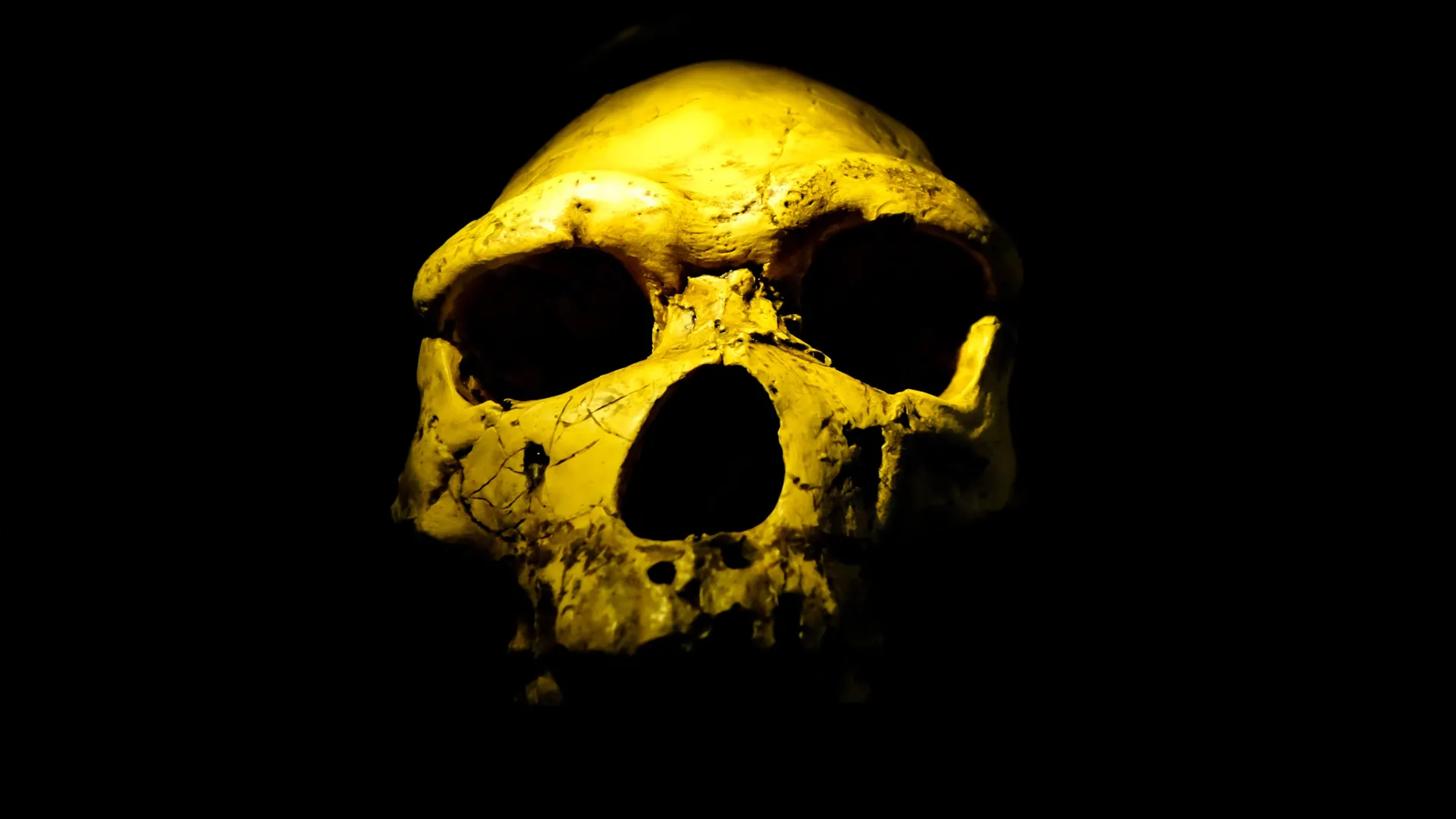
Archaeologists from La Trobe University have described 18 newly published hominin fossils from South Africa, including a second skull fragment belonging to Homo erectus. The discovery adds stronger evidence that the species was present in southern Africa 2.0 million years ago, about 200,000 years earlier than traditionally believed. The fossil collection also includes remains of P. robustus.
Those specimens suggest the species was undergoing gradual evolutionary changes as it adapted to shifting environmental and climatic conditions. Fossils From South Africa's Cradle of Humankind The fossils come from Drimolen Main Quarry in South Africa's 'Cradle of Humankind,' one of the world's richest sites for remains of ancient human relatives. Although the quarry was discovered in 1992 and excavated through 2019, many of the fossils recovered there had never been formally described and remained largely unknown to science.
Researchers from La Trobe, working with colleagues in South Africa and the United States, have now analyzed and described another 18 fossils from the site. The remains have been assigned to Homo erectus and P. robustus. In research published in Annals of Human Biology, the team reports the first known adult Homo erectus fossil from Drimolen.
The specimen is about 2 million years old, making it roughly 200,000 years older than adult Homo erectus fossils discovered elsewhere, including specimens from Dmanisi in Georgia that date to about 1.8 million years ago. "Homo erectus is the first species of hominin that researchers broadly agree fits within our own genus Homo and is likely directly ancestral to us. Drimolen preserves evidence for the first appearance of this species 2 million years ago; however, the original fossil, DNH 134, belonged to a child aged between two and four, and there was uncertainty about what the adult version may have looked like," lead researcher Dr.
"This paper publishes a new adult fossil attributed to Homo erectus, DNH 127, providing further confirmation that this species first appeared in southern Africa 2 million years ago." Two Human Relatives Took Different Evolutionary Paths The newly described fossils also provide evidence that P. robustus changed over time. Between about 2 million and 1.8 million years ago, the species developed larger teeth and more powerful chewing muscles. Martin, the contrast with Homo erectus is striking.
While Homo erectus was developing a larger brain and smaller molar teeth, possibly as a result of eating more meat, P. robustus retained a brain only slightly larger than that of chimpanzees. At the same time, it evolved enormous molars suited to grinding and crushing tough, hard foods, functioning much like a mortar and pestle. "These two human species shared the same landscape and are both preserved in Drimolen cave.
Extract — continue reading at the source.


