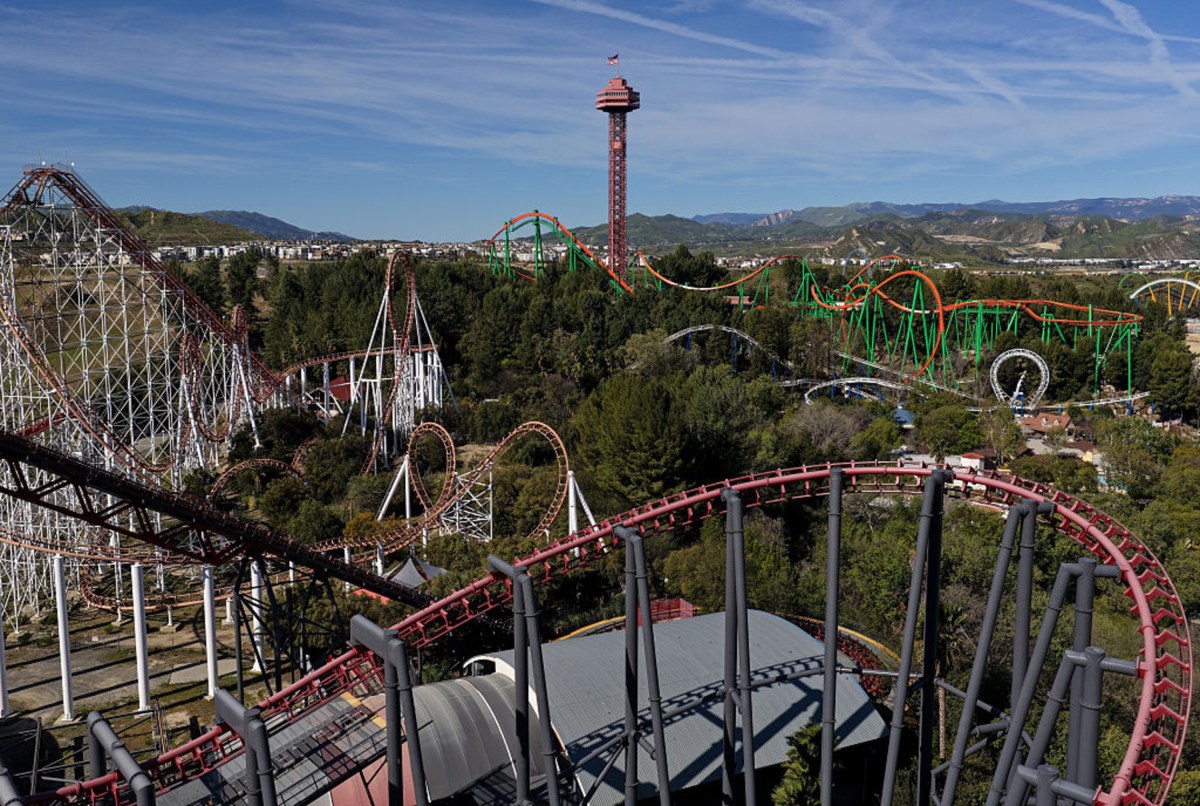
The closure of Six Flags Magic Mountain's X2 roller coaster has drawn new attention to the risks associated with extreme thrill rides after a CNN investigation tied the attraction to a series of severe injuries, including brain hemorrhages, emergency surgeries, permanent disabilities and deaths. While roller coaster-related injuries receive significant attention when they occur, experts and industry data have generally found that serious incidents are rare compared with the hundreds of millions of rides taken each year at amusement parks across the United States. However, X2 has long stood apart from conventional coasters because of its "fifth-dimension" design, which causes riders to rotate independently of the track and subjects them to a uniquely intense ride experience.
The recent allegations have prompted renewed scrutiny of whether certain riders may face elevated risks from extreme attractions and how common severe injuries such as brain trauma are on modern roller coasters. The ride closed on July 12 as California regulators investigate, while the theme park is also defending lawsuits alleging X2 caused catastrophic brain injuries, including the death of a 22-year-old rider whose family claims the coaster's design was dangerously defective. Towering over Six Flags Magic Mountain in Valencia, California, X2 is one of the most unusual and intense roller coasters ever built.
Originally opened in 2002 as “X,” the ride was the world's first "fourth-dimension" roller coaster, meaning riders are not only propelled along the track but also rotate independently in seats that can spin forward and backward during the ride. The steel coaster reaches a top speed of about 76 mph and features a 215-foot first drop, with riders facing downward toward the ground as they plunge from the lift hill. What makes X2 different from traditional roller coasters is its wing-mounted seating system, which extends riders off either side of the track while the seats rotate 360 degrees throughout the course.
Six Flags describes the experience as a "fifth-dimension" thrill ride, featuring flips, twists, and head-first descents designed to create a sense of disorientation. Following a major refurbishment in 2008, the coaster was upgraded with new trains and special effects, including onboard audio and flame effects, helping cement its reputation as one of the park's signature attractions and a favorite among adrenaline seekers. Theme Park Review, with more than 2 million subscribers on YouTube, reviewed the coaster when it first opened, highlighting its seating, speakers, pyrotechnics, and opening-day ceremony.
The latest incidents highlighted by CNN occurred in July, when two women suffered severe brain injuries after separate rides on X2 at Six Flags Magic Mountain. Both were taken to a Southern California hospital and underwent emergency surgery for brain hemorrhages, according to the report. The injuries drew renewed scrutiny to the coaster's safety record and came just days before the attraction was closed on July 12.
However, the July cases were not isolated. The CNN report identified more than a dozen serious injury and hospitalization reports linked to X2 over nearly two decades, including riders who allegedly suffered traumatic brain injuries, permanent disabilities or died after riding the coaster. Among the cases now the subject of litigation is that of Christopher Hawley, a 22-year-old San Diego State University graduate who collapsed after riding X2 in June 2022 and died the following day.
Extract — continue reading at the source.