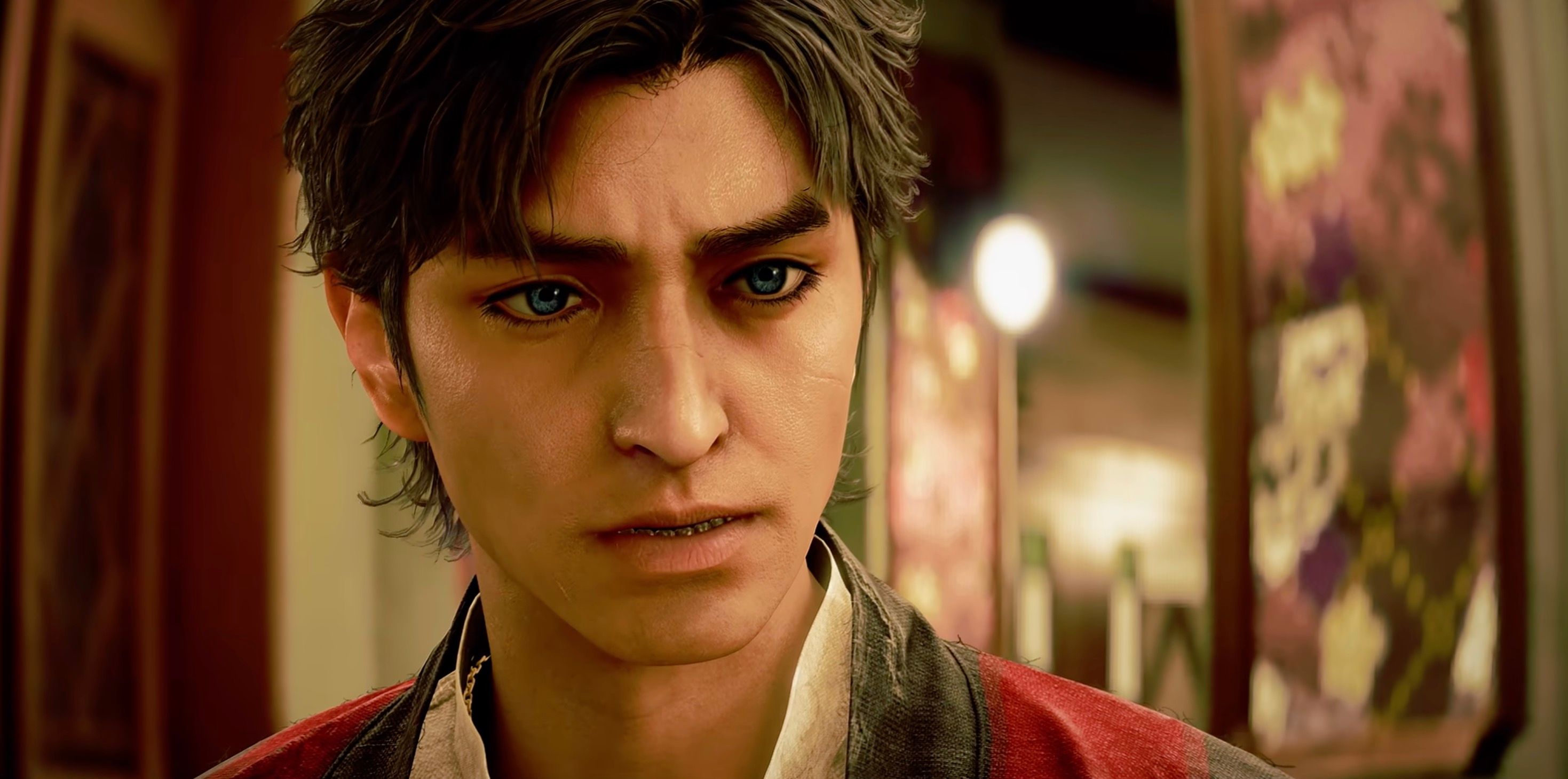
Spanning five cities and half a century, Stranger Than Heaven is Yakuza-maker Ryu Ga Gotoku Studio’s most ambitious project yet. During a half-day preview event in New York earlier in October, I played five different segments of the game, in three of the game’s five locations. As a longtime Like a Dragon fan, I came away dazzled by its sumptuous environments and fascinated by protagonist Makoto.
But I'm still on the fence about certain aspects of the combat and storytelling. I’m from the Bay Area, so I was especially excited to experience RGG’s riff on old-timey San Francisco in the prologue. Turns out, it’s not an explorable area, and the buildings and narrow alleyways had more of a generic East Coast feeling to me.
Given how vividly this studio has captured real-world neighborhoods like Waikiki, Kabukicho, and Dotonbori in previous games, I was hoping for more, especially given the time period. (There was an extremely elaborate World’s Fair in San Francisco in 1915!) There’s certainly a lot of fog and it looks miserably cold at night, so at least that part is accurate. Thankfully, the other cities I was able to explore were pretty darn spectacular. Centered around a foundry, Kokura is a traditional Edo-period town on the brink of modernization.
People leave their doors open, and you can walk into almost every space — and you’ll want to, because there are so many lovely details to look at. Everyone and everything is covered in soot. Men play card games and spin beigoma tops for petty cash while chain-smoking.
Makoto’s wooden geta sandals make a distinctly melodic noise as he walks the stone streets. If you enjoyed the historical tourism of 2023’s remake of Like a Dragon: Ishin, Yakuza’s samurai spin-off, the thrill of exploration here is upped by several orders of magnitude. But while Stranger Than Heaven’s environments are beautiful and distinctive, they aren’t particularly welcoming.
After being subject to incessant discrimination and even framed for murder in San Francisco, Makoto hopes for greater opportunities in his mother’s country of birth. So he stows away on a ship bound for Japan, where he instead finds a different flavor of racism. Whereas the dirty cops in San Francisco disparaged him as a “yellow man,” in Kokura, passersby comment on his large stature and call him “ketō,” a Japanese slur for white people that roughly means “hairy barbarian.” As you explore Kokura, popping into stores, weaving past glossy red trolley cars, and trying your hand at various games of chance, the slurs and comments directed at Makoto are incessant.
Extract — continue reading at the source.