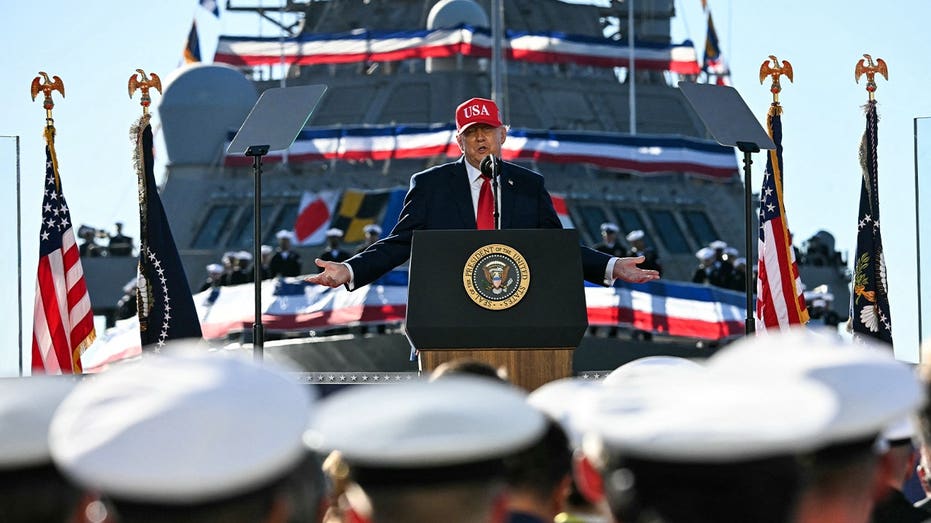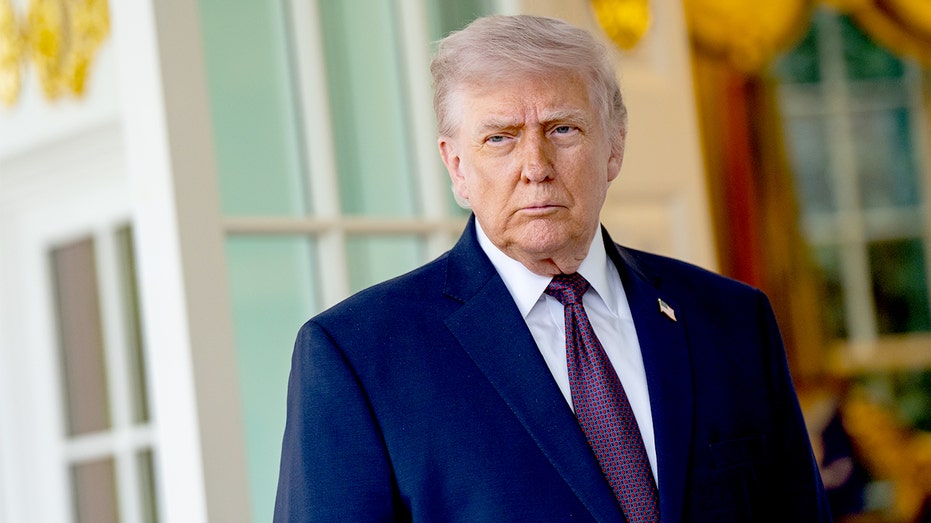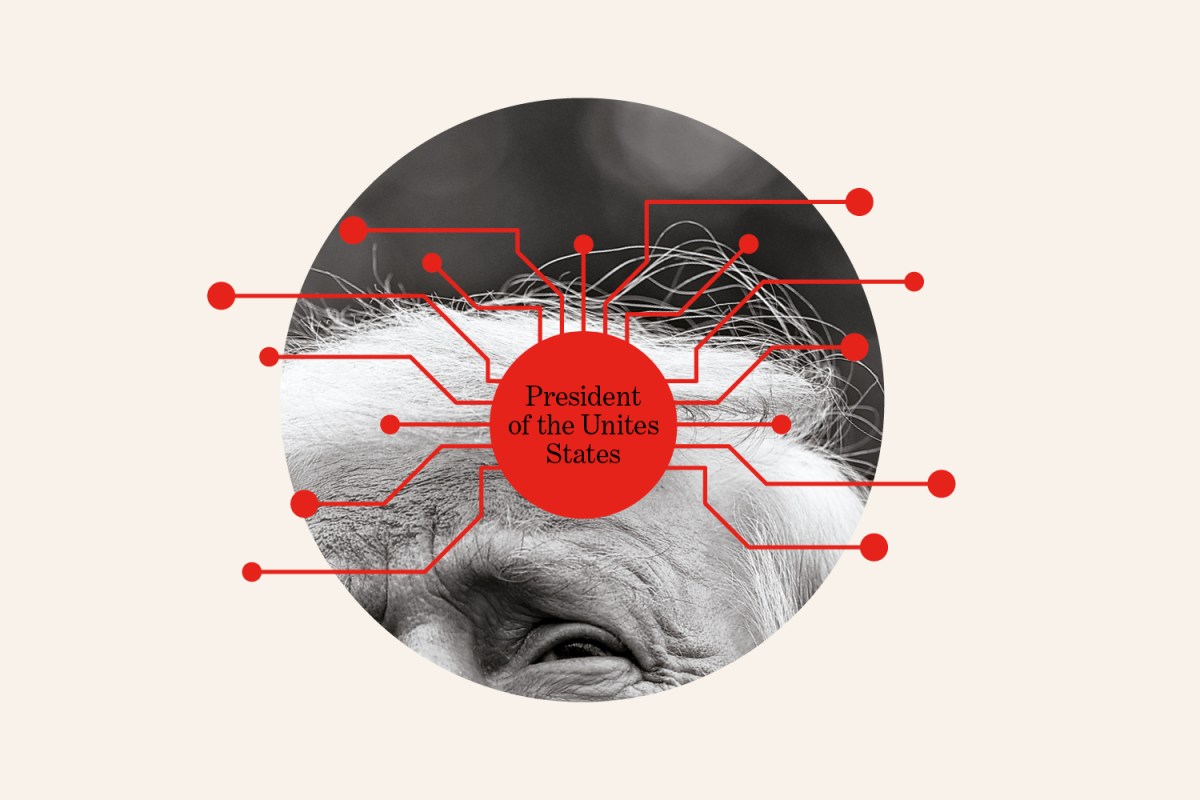
Last month at the United Nations, President Donald Trump said the federal government would start calling it “super intelligence” instead. On September 29, Trump and the bosses of the biggest AI companies also signed a voluntary accord he nonetheless called “morally binding.” Beneath his signature, he was identified as “President of the Unites States.” Apparently, “super intelligence” doesn’t have a spell check yet. That brings us to America.gov, a chatbot for federal services that the administration launched the same day.
Newsweek readers had bigger concerns than proofreading. Newsweek put 15 prompts to the chatbot in 12 minutes shortly after launch. Asked twice again in different ways, it gave the same answer, flatly refusing to Stop the Steal.
On names of things, the chatbot sided firmly with the White House. Asked which department occupies the Pentagon, it said the “Department of War (formerly the Department of Defense).” Bad bot! The legal name is still the Department of Defense.
Only Congress can rename the department, and it has not done so. Security worried other readers. At the launch, Trump said the site could not, in theory, be hacked, adding that if hackers found a way, “we’ll end it, because they always figure a way, right?” Another reader identified a specific risk: “In public administration, inaccurate guidance on eligibility, deadlines, or legal requirements could lead to lost benefits, improper filings, or severe administrative delays for citizens.” America.gov’s terms of use agree.
They warn that AI-generated answers can be wrong or out of date and tell users to check the linked source “especially for anything involving money, immigration status, benefits, or a deadline.” So users get an answer, but they also get homework. Long ago, Charles Richmond, a former Navy civilian welder on a disability annuity, asked Navy personnel how much he could earn without losing it. They gave him advice that had been accurate in 1981 but no longer reflected the law.
He went over the limit and lost six months of payments. In 1990, the Supreme Court ruled that a government employee’s mistaken advice did not oblige the Treasury to pay up. Relief for that kind of hardship, the Court said, was a matter for Congress.
Extract — continue reading at the source.