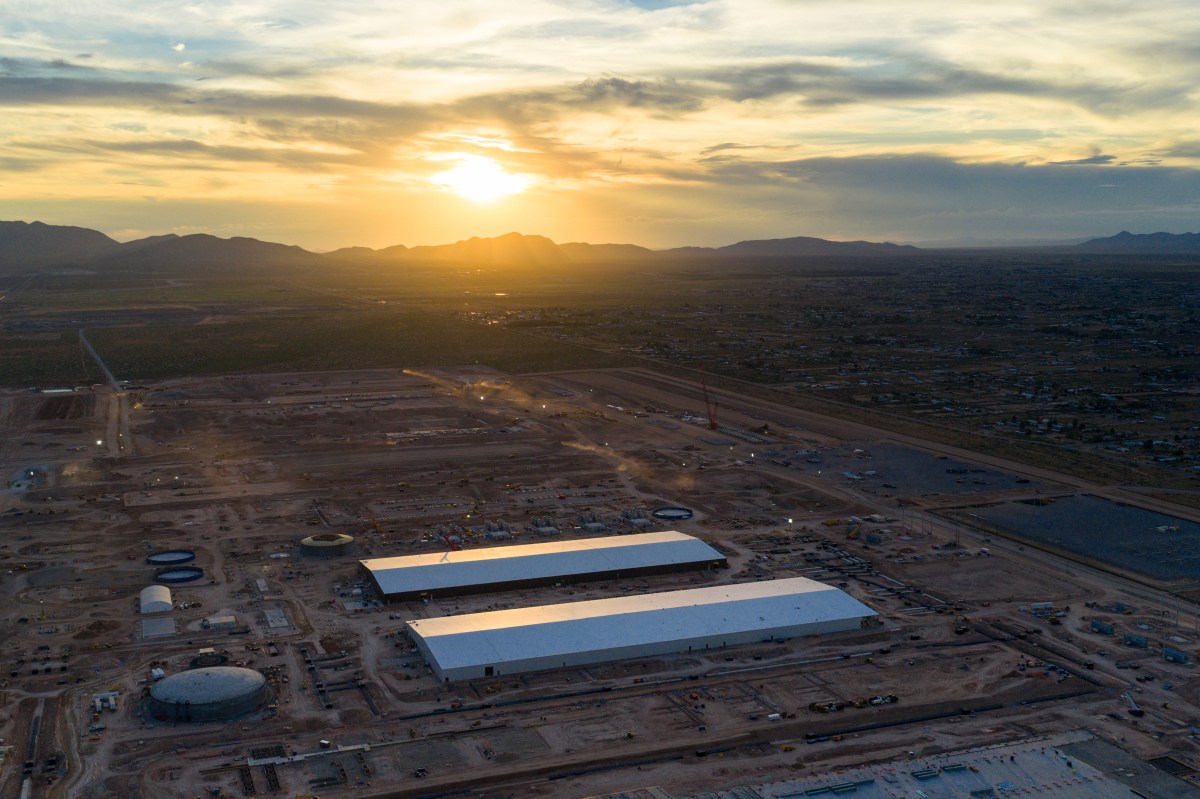
Texas is leading the way when it comes to data center development in the U.S., but local opposition and now official moratoriums may be threatening what developers see as the potential benefits from the state’s central role in the AI boom. Data center expansion has emerged as a national flashpoint, with officials and companies themselves touting the economic value and strategic importance of securing America’s edge in the AI race, though surveys continue to chart widespread disapproval from voters across the country. A /Ipsos poll from June found that 57 percent would oppose a data center being built in their community, a figure that reached 71 percent in an earlier survey from Gallup.
In an interview with Punchbowl News in early August, President Donald Trump called data centers “tremendously important” while acknowledging Americans’ unease about the ongoing buildout. It's bigger than the internet by many times. It's gonna be bigger than anybody ever thought possible.
Not even imaginable how big,” the president said. I think it's a mistake.” In a recent note, Torsten Slok, chief economist at Apollo Global Management, described America’s “data center boom" as "a Texas Story.” he cited research from the market intelligence platform Cleanview, which found that Texas—while second to Virginia in current operating capacity—now accounts for more planned capacity by megawatts (94,656 MW) than the next three states combined. Though he believes the momentum Texas has so far generated will be maintained thanks to favorable land and business conditions, Perryman said that, “as with anything that is sudden and different, there are very real ‘growing pains’ and issues which must be addressed.” As Trump acknowledged in his interview with Punchbowl News, Texas leadership has in recent weeks shifted from championing data centers and the AI push to skepticism over water concerns, community impacts and the potential implications for the state’s grid.
In June, Governor Greg Abbott called for new regulations governing data center construction and operation, including a requirement that the facilities pay their own infrastructure costs and provide additional power generation to avoid this burden shifting to Texans. Earlier this month, Abbott, a Republican, ordered a pause on pending interconnection requests for new projects until ERCOT and the Public Utility Commission of Texas could conduct a comprehensive audit of all planned data centers in the state. But some, like President Trump, have spoken against any rules that could slow the construction of new data centers, which he dubbed “big, strong, bold, and Money Machines for the State in which they are built.” Trump's administration has, however, pushed local leaders, electricity companies and tech firms to sign a voluntary “Ratepayer Protection” pledge aimed at protecting consumers from higher utility bills as a result of the data center buildout.
Texas generated $4.5 billion in tax revenue from data centers in 2024, according to a PwC analysis commissioned by the Data Center Coalition, the primary trade association representing the industry. However, these revenues remain subject to significant debate given the tax breaks used to incentivize construction within Texas—which the state comptroller’s office estimated could mean foregoing over $1 billion each year, the Texas Tribune reports. Facebook groups like Texans United Against Data Centers or the Texas Coalition Against Datacenters boast tens of thousands of members who routinely and publicly object to the facilities on environmental grounds, while organizing how to delay or prevent further developments.
Green Recursive Utility Service LLC, a Texas-registered public data utility, has petitioned the state’s Public Utility Commission to establish measurement standards and regulatory frameworks for data center resource consumption. The company told Newsweek that data centers “can place extraordinary demands on Texas's infrastructure" while straining it
Extract — continue reading at the source.