In autumn 2021, as tens of thousands of Russian troops began massing close to the border with Ukraine, U.S. President Joe Biden was a little concerned. These didn’t look like regular military drills, he thought.
Perhaps we ought to do something about this. The President dispatched then CIA Director William Burns—himself a former ambassador to Russia—to Moscow with a message and a warning: "We’re watching your troop buildup—don’t do what we think you might be about to do." Now, we must ask whether history is repeating itself. CIA Director John Ratcliffe made an unannounced trip of his own to the Russian capital this week, reportedly to warn the Kremlin against further escalation in the war in Ukraine and NATO members.
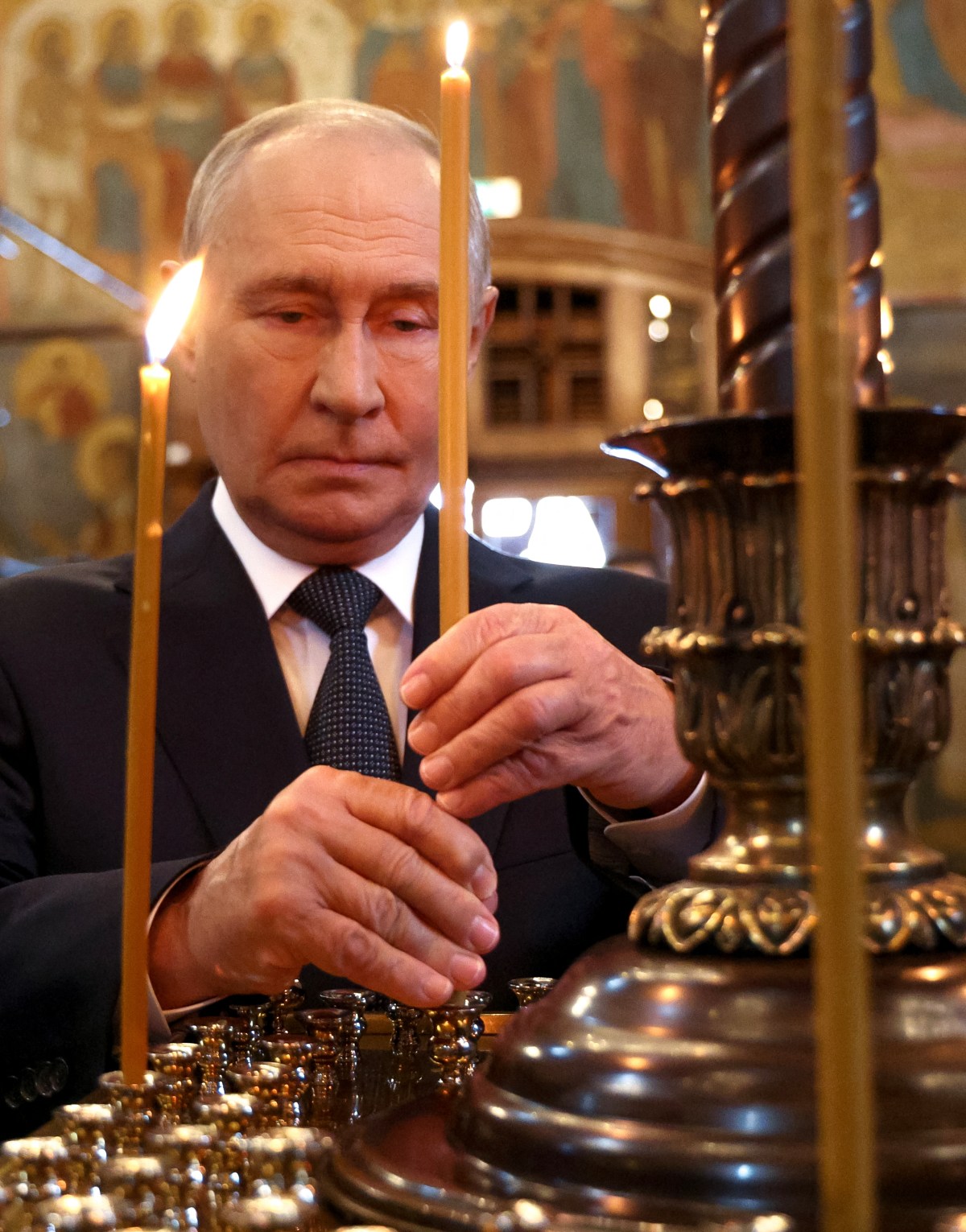
Of course, Vladimir Putin wasn’t there himself; Ratcliffe was met by various security officials who later briefed the Russian President on his warning. But it’s hard to imagine a face-to-face with Putin would have made any meaningful difference. The fundamental dispute that led to the full-scale invasion of Ukraine remains wholly unresolved: NATO still regards Moscow as an aggressor and insists that European states can choose their own security arrangements.
Moscow regards this as NATO expansion, and believes Western military integration with Russia’s neighbors is a threat to Russia itself. So why assume another warning from another CIA director will resolve it this time around? Less than three months before Putin sent Russian armor scything into Ukraine, then-NATO Secretary-General Jens Stoltenberg laid out the Western position bluntly: Ukraine was a sovereign country entitled to choose its own future and security arrangements.
Whether it joined NATO was for Ukraine and NATO members to decide; Russia had "no veto." Putin's position was almost the mirror image. Moscow published proposals demanding no further NATO enlargement, including Ukrainian membership, and an end to NATO military activity in Ukraine and much of Eastern Europe. "There should be no further NATO movement to the east," Putin declared, complaining that U.S. and Western weapons were already "on our doorstep." Nearly five years on, British Prime Minister Andy Burnham visited Kyiv this week and announced that Britain would offer Kyiv blueprints of the Storm Shadow/SCALP cruise missile, helping Ukraine to launch production of the long-range strike package on home soil.
Meanwhile, the Coalition of the Willing—a conglomerate of nations led by France and the UK to support Ukraine—confirmed its preparations for a multinational peacekeeping force to deploy inside Ukraine following a ceasefire agreement. From NATO's perspective, these are necessary defensive measures: helping a sovereign European country survive Russian aggression, while reinforcing the bloc’s defensive posture along its eastern flank. Viewed from Moscow, the moves serve only as confirmation of NATO expansion to threaten Russia’s security.
Extract — continue reading at the source.