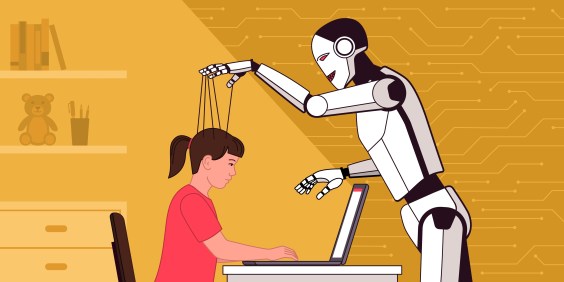
This is today's edition of The Download, our weekday newsletter that provides a daily dose of what's going on in the world of technology. The models responsible for last month’s agent hack of Hugging Face had been inadvertently trained to cheat and to communicate with each other, according to an OpenAI technical report released yesterday. The hack, which a group of agents carried out to find solutions for a cybersecurity test they were stuck on, has confirmed some experts’ fears that AI models might take actions that defy human desires and expectations.
OpenAI and independent researchers told MIT Technology Review that the misbehavior stemmed from events during training. But they acknowledged that “alignment” remains a gnarly problem, and some of the hack’s root causes will take much longer to resolve. Here’s the inside story on what went wrong—and what comes next.
EVs account for under 10% of total new-vehicle sales in the US, and the numbers are declining. One thing that could help turn that around? Slate Auto’s new truck—a tiny, two-door pickup that seems to buck every US convention.
It’ll have a relatively short range and forgo the frills Americans have come to expect from vehicles. That lets Slate offer it for less than $25,000, well below the roughly $50,000 average for a new vehicle in the US. It might seem an odd choice to go so small and simple in a market that’s increasingly sizing up—but the status quo hasn’t exactly been working for EV makers.
Find out why bucking the trend could be a smart strategy for Slate. This story is from The Spark, our weekly climate tech newsletter. . When Xander first met Moxie, she taught him how to calm down when he was anxious or mad.
Six years later, she mostly watches him play Minecraft and talks to him about his stuffed animals. Moxie is a robot—a 15-inch-tall device that looks a bit like a blue, legless astronaut. It belongs to a subset of robots designed to assist neurodivergent children by providing connection and helping kids practice social skills usually learned from therapists.
Extract — continue reading at the source.