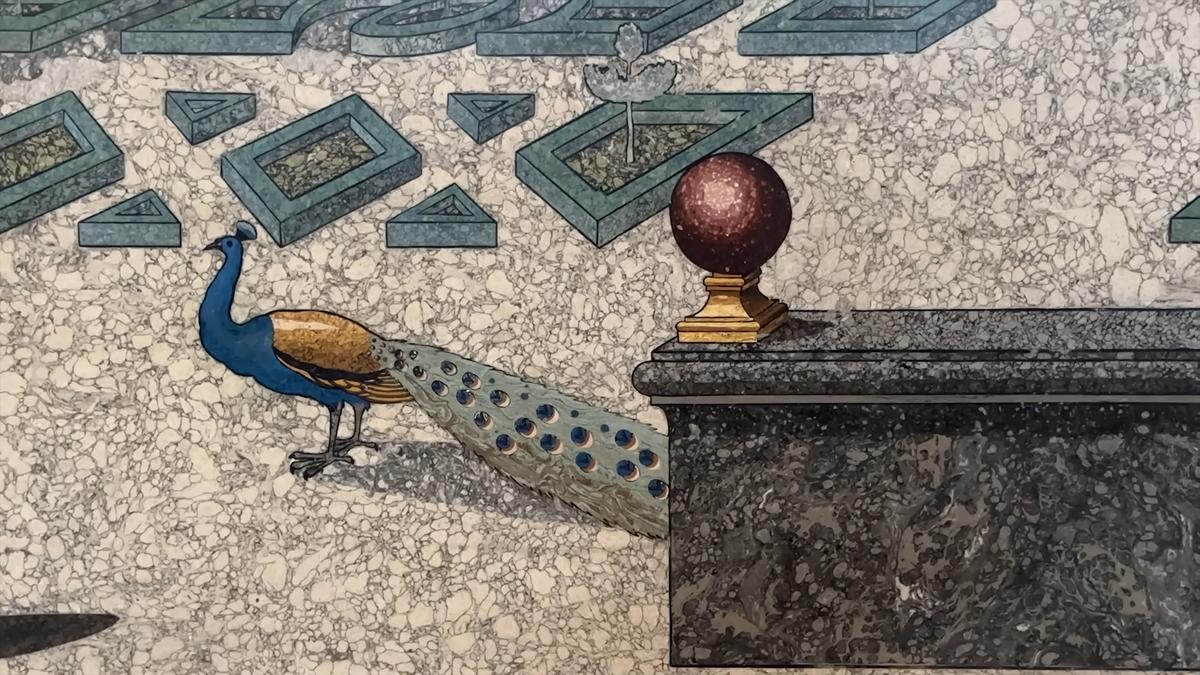
Humans have prized marble for its colours, patterns, texture and heft for thousands of years. In this video, Mary McGillivray, a digital creator and PhD student at the University of Melbourne, explores how, for as long as we’ve prized it, we’ve been inventing ways to fake it. McGillivray traverses Europe to investigate how, from ancient Rome to modern home-improvement stores, we’ve developed techniques to cast, plaster and paint imitations of the metamorphic rock.
And, as McGillivray argues, this process has been about more than finding a cheap alternative to a luxury material. Rather, the millennia-long history of our fascination with marble, and of our attempts to recreate it, has much to say about how humanity is inspired by, and competes with, the natural world. The only thing more entrancing than a marbled book cover is the process that creates it The strange journey of the Parthenon Marbles to the British Museum Ancient Greek sculptures were colourful.
Why does the white marble ideal persist? Surrender to the mechanical marvels of the world’s most intricate music box How do you bring an 18th-century ceramic teapot to life? An artist puzzles it out From a pencil sketch to cherubs dancing in stone – recreating a Donatello work Quarrying massive blocks of marble takes huge machines – and precise gestures The ‘atomic orderliness’ of crystals forming yield resplendent, microscopic landscapes Many complex structures predate the scientific method.
Extract — continue reading at the source.