One example is nitrogen fixation, a process that converts nitrogen gas (N2) into a form living organisms can actually use. Nitrogen makes up about 78 percent of Earth's atmosphere, but plants and animals cannot use it directly because the two nitrogen atoms in N2 are joined by an exceptionally strong chemical triple bond. Certain microorganisms have evolved a way around this problem.
They can break that bond and transform N2 into ammonia, which can then be incorporated into biological molecules. One of these organisms is the deep-sea archaeon Methanocaldococcus infernus, which lives in volcanic marine environments where vent fluids can reach temperatures above the boiling point of water. Researchers in Tristan Wagner's laboratory at the Max Planck Institute for Marine Microbiology in Bremen wanted to understand how this organism performs nitrogen fixation under such extreme conditions.
They managed to "tame" the microbe in the laboratory and make it fix N2 at temperatures above 90 °C. "How do they do it, in such heat? And how can the enzyme splitting the N2 triple bond work under these conditions?" Wagner asked himself.
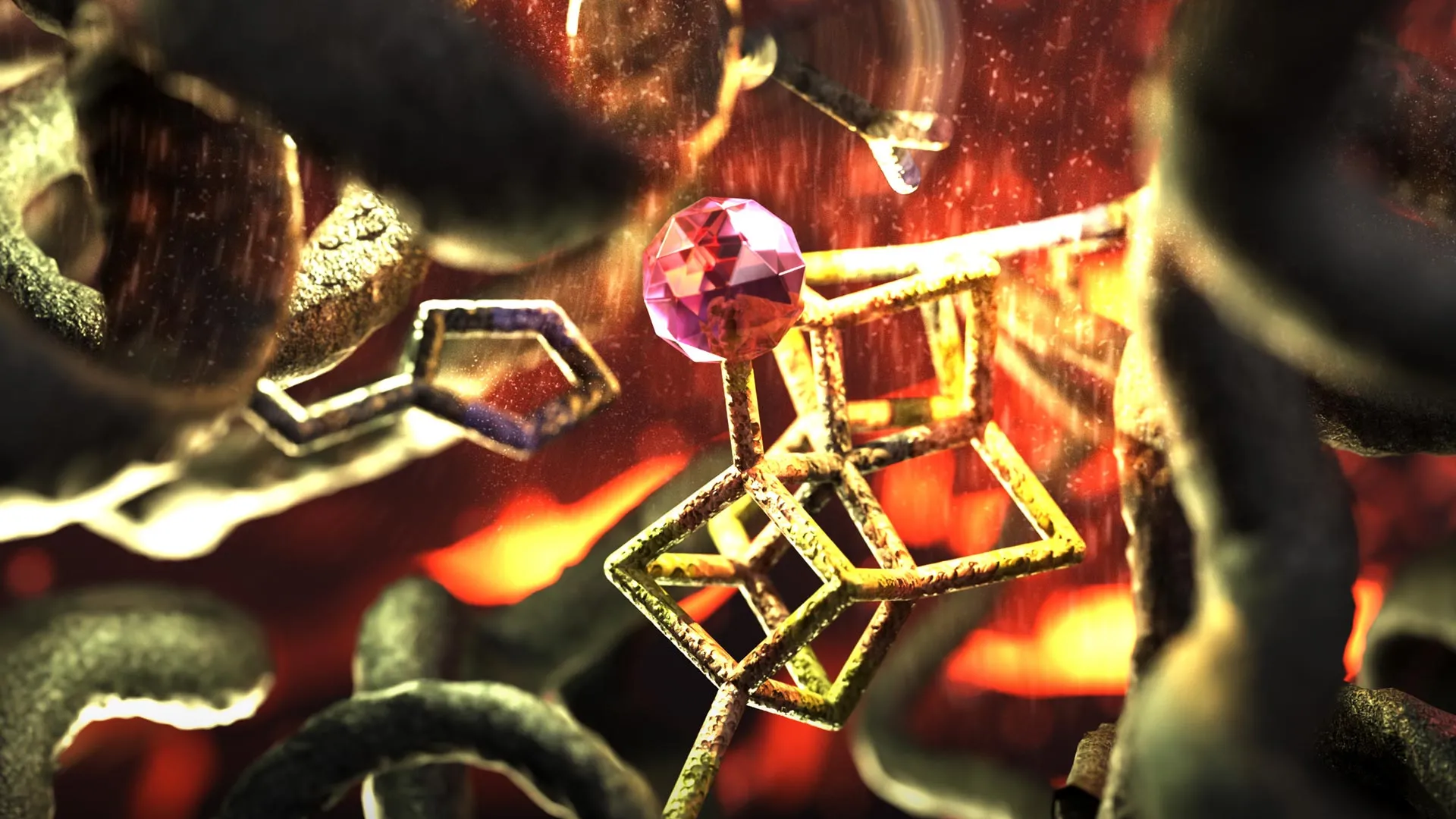
The Enzyme That Makes Nitrogen Fixation Possible The key enzyme behind this ability is nitrogenase. It contains what is considered the most complex metallocofactor known in biology. Metallocofactors are metal-containing helper molecules that bind to enzymes and are essential for their activity.
The most extensively studied and highest-performing nitrogenases contain a molybdenum-based metallocofactor. Other versions instead use vanadium or only iron. Scientists are still trying to determine how these different nitrogenases are related and exactly how their metal centers make it possible to break the extremely strong N2 triple bond.
"The nitrogenase found in Methanocaldococcus infernus is remarkable because it seems to share traits of the molybdenum, vanadium, and iron forms. This type of nitrogenase could be similar to a common nitrogenase ancestor, the ancient system all of them evolved from. Thus, it could deliver common principles in the nitrogenase reaction," says Wagner.
Extract — continue reading at the source.