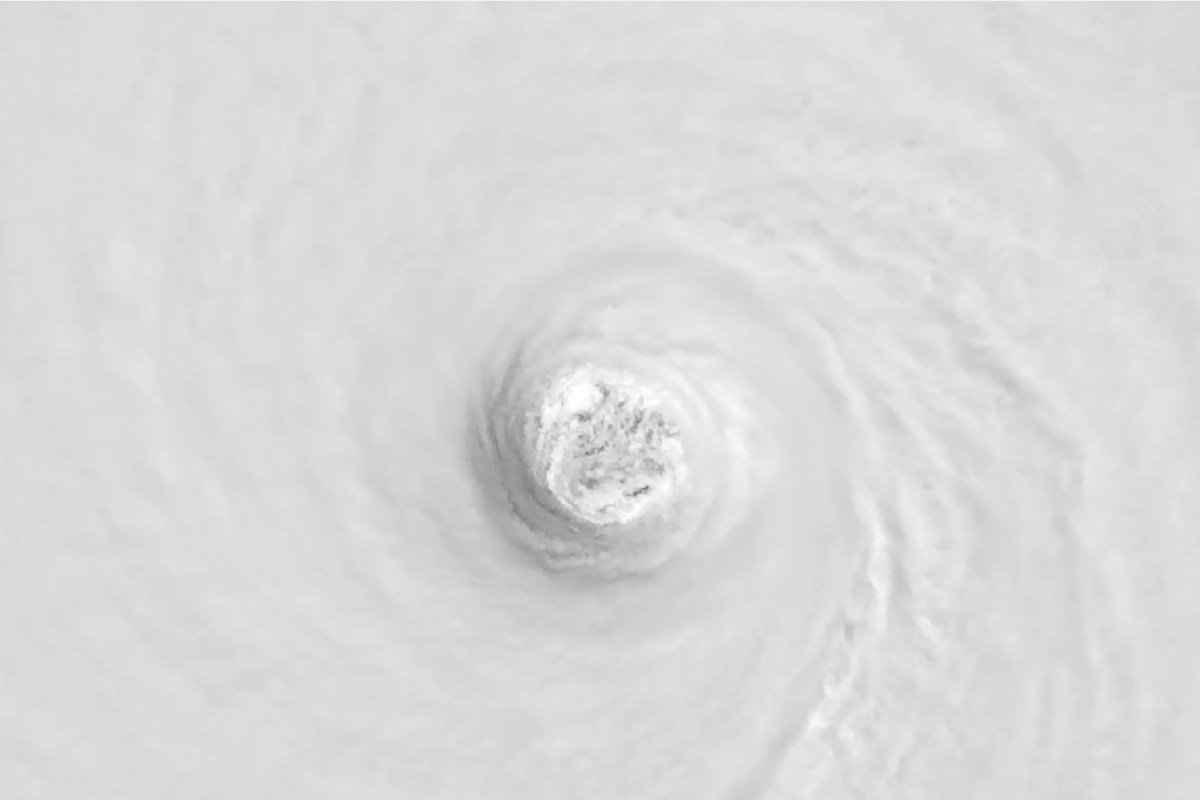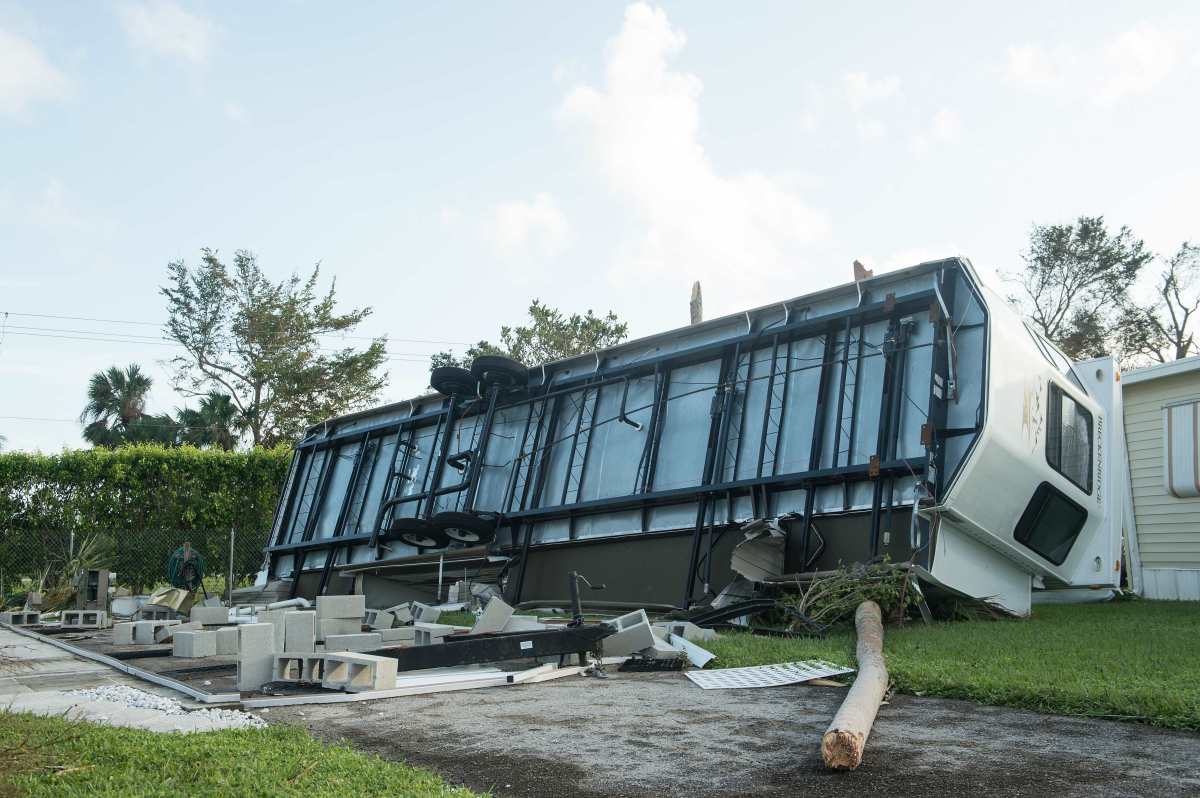
Residents living in older mobile and manufactured homes face a greater risk of destruction, and measures must be taken to mitigate the risks, experts have warned, amid a nearly 100 percent chance of a very strong El Niño forecast this year. People in mobile homes are 15 to 20 times more likely to die in a tornado than those in permanent homes, according to the National Weather Service. On average, 72 percent of all tornado-related fatalities are in homes, with 54 percent of these deaths being in mobile homes.
Florida reportedly has more manufactured homes than any other state, amounting to nearly 830,000, based on U.S. However, it’s said to be unknown exactly how many of these homes predate the safer building standards that were introduced in 1994, which required manufactured homes in Florida to be built to withstand stronger winds. The manufactured-housing industry estimates the number of homes built before the recent building codes to be around 600,000, according to a report by Inside Climate News.
Nearly 700,000 of Florida's more than 1 million mobile and manufactured homes aren't built to withstand today's storms, with nearly a quarter million constructed before the federal government regulated these homes, according to a report by Florida’s WPTV in West Palm Beach. "You're looking at roughly half a million people that are over 70 years old living in mobile and manufactured homes that may be vulnerable," Jim Ayotte, the former head of the Florida Manufactured Housing Association, told WPTV in May. Some residents have expressed fears ahead of El Niño, which is reported to be strengthening, “with a greater than 90 percent chance of a very strong event during the Northern Hemisphere fall and winter 2026-27,” the Climate Prediction Center of the National Weather Service warned in a report earlier this month.
Paula Richards and Mike Powers in St. Lucie County, Florida, get to enjoy their manufactured home seven months out of the year. They told WPTV in May: "From June to the end of November, we live in fear.” Back in October 2024, a tornado ripped through the Fort Pierce area hours ahead of Hurricane Milton.
"We lost 138 homes, six of our friends were killed," Barry Lamb, another resident, told WPTV. El Niño is one of two opposite climate patterns in the Pacific Ocean (the other being La Niña) that go against normal trade wind conditions. The two phenomena together are known as the El Niño-Southern Oscillation (ENSO) cycle.
Trade winds are prevailing winds that circle the Earth near the equator. Warm water is pushed back east, toward the west coast of the Americas,” the National Oceanic and Atmospheric Administration (NOAA) explains. Meteorologist and hurricane specialist Athena Masson, who is a professor at Flagler College in St.
Extract — continue reading at the source.