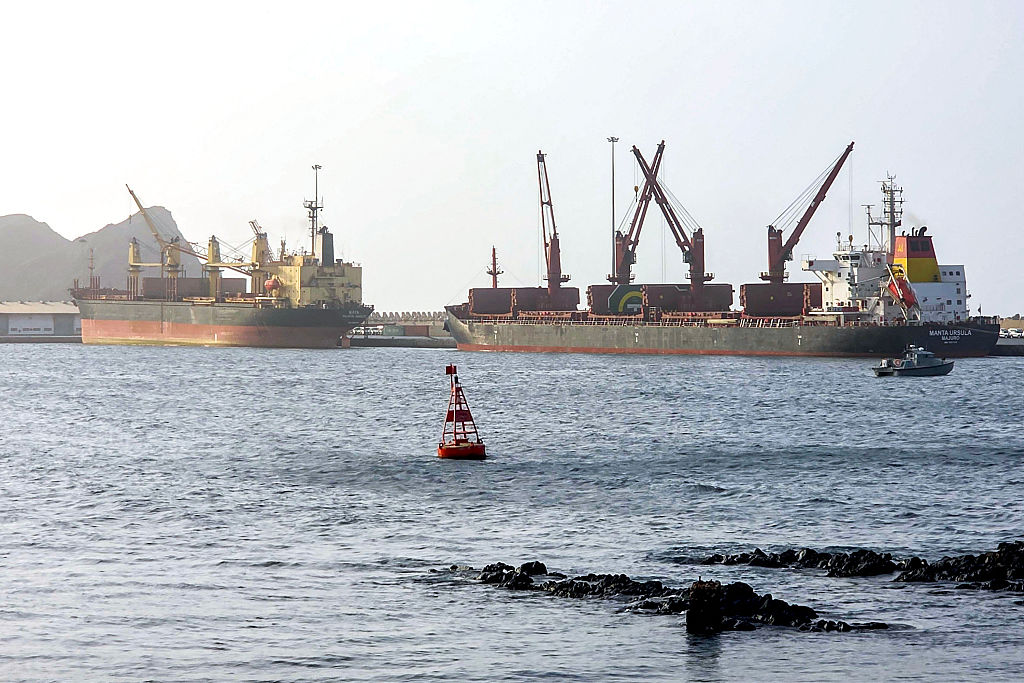
As the nearly six-month-long war between the U.S. and Iran prolongs global supply disruptions with no clear end in sight, President Donald Trump appears to be looking for other ways to pressure Iran into a deal—including threatening to bomb Oman. Iran and Oman are reportedly nearing an arrangement to govern commercial shipping through the Strait of Hormuz, a vital corridor that Iran effectively closed at the start of the war. Washington has opposed giving Iran control over traffic through the Strait or allowing it to charge vessels for passage.
Trump later told reporters, “I don’t think they [Oman] behaved very well, but we’d handle them very easily, just like we do other things.” It’s unclear what exactly Oman has done to upset the U.S. TIME has reached out to the White House for comment. Tehran has said the Strait’s administration should remain strictly between the two coastal states.
Iran also previously proposed collecting fees for passage through the waterway, while Oman proposed a system with voluntary fees in late July. Trump has threatened to bomb Oman, a longtime security partner of the U.S., before. In late May, amid reports that Muscat and Tehran were discussing maritime service fees, Trump warned Oman would “behave just like everybody else, or we will have to blow them up.” U.S.-Iran diplomacy meanwhile appears tenuous, with Iranian officials denying any direct talks and contradicting Trump’s claims that Iran is eager to make a deal.
The 60-day deadline for the U.S. and Iran to negotiate a comprehensive peace agreement to end the war expired Monday without a deal. The two countries signed a memorandum of understanding (MOU) on June 17, which included the lifting of the U.S. naval blockade on Iran and toll-free passage through the Strait of Hormuz. The MOU stated that Iran would discuss with Oman the future administration of the waterway.
But renewed attacks beginning in late June effectively collapsed the accord, and key issues over the Strait’s administration and Iran’s nuclear program remain unresolved. Shipping through the Strait of Hormuz trickled down over the weekend as businesses and observers watched with trepidation for signs of a U.S.-Iran deal or extension of the MOU. Only five commodity ships sailed through the waterway over the weekend, according to Kpler, compared to 31 in the prior weekend.
But it appears that global shipping and supply disruptions are likely to persist. Asked by reporters if the U.S. planned to extend the MOU, Trump said, “No.” The war’s strain on the global economy is becoming a political liability for Trump and congressional Republicans ahead of the November midterm elections. Trump’s approval rating fell to 33%, the lowest of his second term, according to a /Ipsos poll published Monday.
Extract — continue reading at the source.