The former Compton gang leader charged with orchestrating the 1996 drive-by shooting death of hip-hop legend Tupac Shakur was convicted by a Las Vegas jury on Monday, marking a long-awaited verdict in one of the most notorious unsolved killings in music history. The jurors needed only a few hours to return their verdict against Duane “Keffe D” Davis. His sentencing is scheduled for October 13, where he will face up to life in prison, per the New York Times.
Davis, 63, had pleaded not guilty to one count of murder with use of a deadly weapon. His defense lawyer, Michael Sanft, argued the state’s case was built on “lies” that Davis first told prosecutors to avoid prison on narcotics charges and later repeated in interviews and in his memoir, Compton Street Legend, for profit. Davis remained jailed from his arrest in September 2023 through the trial.
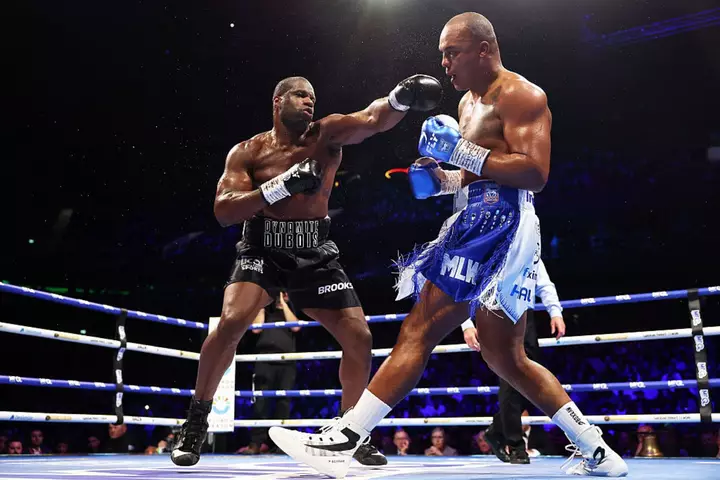
In his closing argument, Clark County Chief Deputy District Attorney Binu Palal accused Davis of organizing the Sept. 7, 1996, shooting as “gang retaliation” for a beating that took place about two hours earlier inside the MGM Grand casino. He said Shakur, Death Row Records co-founder Marion “Suge” Knight, and others attacked Davis’ nephew, Orlando Anderson, after Death Row associate Trevon Lane spotted Anderson in the casino following a Mike Tyson fight. During the trial, jurors heard the confrontation grew out of an earlier gang dispute involving Davis’ and Anderson’s South Side Compton Crips and the rival Mob Piru Bloods, whose members included Lane and others associated with Death Row.
They heard Lane had a run-in with Anderson and other Crips at a mall near Compton about two months before Shakur’s shooting, and that someone allegedly stole a chain bearing a Death Row medallion. Admitted Crips member Denvonta Lee appeared under a court order and told jurors he was there when the mall brawl “broke out” and the chain “came off” Lane’s neck. Palal said the alleged chain theft was viewed as “an ultimate sign of disrespect,” demanding retribution and culminating in the MGM Grand beating of Anderson captured on surveillance video.
The centerpiece of the prosecution’s case was the “secret” recorded interview Davis gave to police in 2008 in which he described his role in the shooting in extraordinary detail. Prosecutors characterized the account as a confession and said the fact that Davis was trying to gain leverage in an unrelated narcotics case didn’t diminish its significance. In his closing argument, Sanft disputed that characterization, saying Davis had fabricated the account and that his retellings over the years often conflicted with one another and, at times, with the evidence.
He pointed, for example, to a passage in Davis’s book claiming that a Chrysler Sebring filled with women followed his Cadillac after the shooting and was struck by gunfire that shattered a window. A woman from the Sebring testified during the trial that the car was never hit and no glass was shattered. We can’t even put Davis in Las Vegas.” In the state’s final rebuttal before jurors began deliberating Monday afternoon, Clark County Chief Deputy District Attorney Marc DiGiacomo dismissed Sanft’s argument that inconsistencies in Davis’s accounts undermined the prosecution’s case.
Extract — continue reading at the source.