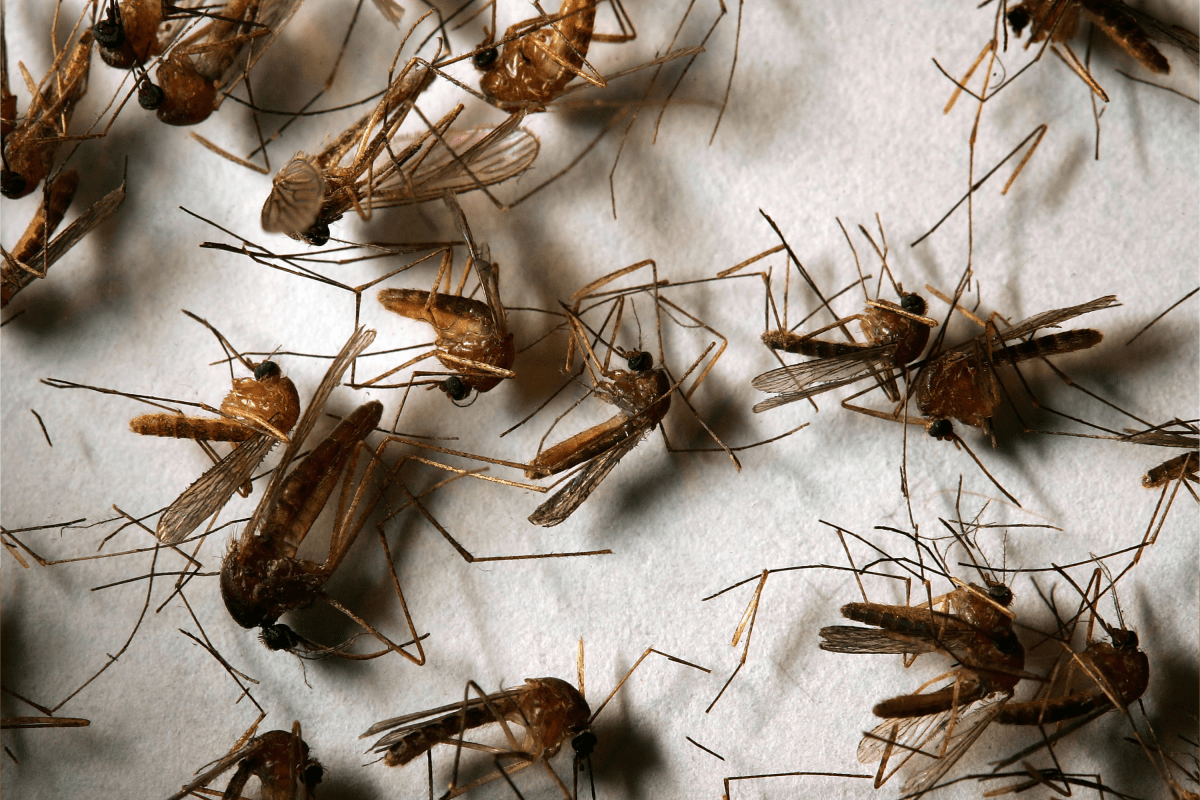
New York City health officials have reported the city's first human case of West Nile virus (WNV) of 2026, renewing warnings for residents to protect themselves from mosquito bites during the peak summer season. According to the New York City Department of Health, the individual contracted the virus after spending time outdoors in New York City and several locations outside the city. Mosquitoes carrying West Nile virus have been detected in all five boroughs since June, and the virus has been found in more than 1,000 mosquito pools citywide this year.
West Nile virus is a mosquito-borne disease that spreads to humans through the bite of an infected mosquito. It can’t be spread from person to person. The virus is the leading cause of mosquito-borne disease in the continental United States and typically circulates during the warmer months, when mosquito populations are most active.
In New York City, mosquitoes carrying West Nile virus are present every year from June through to October, with activity generally peaking in August and September. According to the Centers for Disease Control and Prevention (CDC), there have been 222 human cases of West Nile virus reported nationwide in 2026 across 32 states—now 33 with the recent case in New York—with the majority in Arizona, Texas, and California. Most people infected with West Nile virus experience no symptoms at all.
However, some people develop a mild illness that can include: These symptoms can last for days or weeks and may resemble those of other viral infections. From 2012 through to 2021, an average of 16 New Yorkers were diagnosed each year with West Nile neuroinvasive disease. Between 2022 and 2025, that average rose to 31 cases annually.
Health officials warn that a small percentage of people develop a much more serious form of the disease known as West Nile neuroinvasive disease, a severe condition that affects the brain and spinal cord. The CDC reports that 156 neuroinvasive cases have been reported in the United States so far in 2026, and, according to the NYC Health Department, about one in 150 people infected with West Nile virus develops this potentially life-threatening illness, which can cause changes in mental status and muscle weakness requiring hospitalization. In some cases, the disease can be fatal.
While many patients make a full recovery, some experience long-term health complications or permanent disability. Older adults and people with weakened immune systems face the highest risk of severe illness. The Health Department said people aged 65 and older are three times more likely to develop neurologic disease from West Nile virus than younger people.
Extract — continue reading at the source.