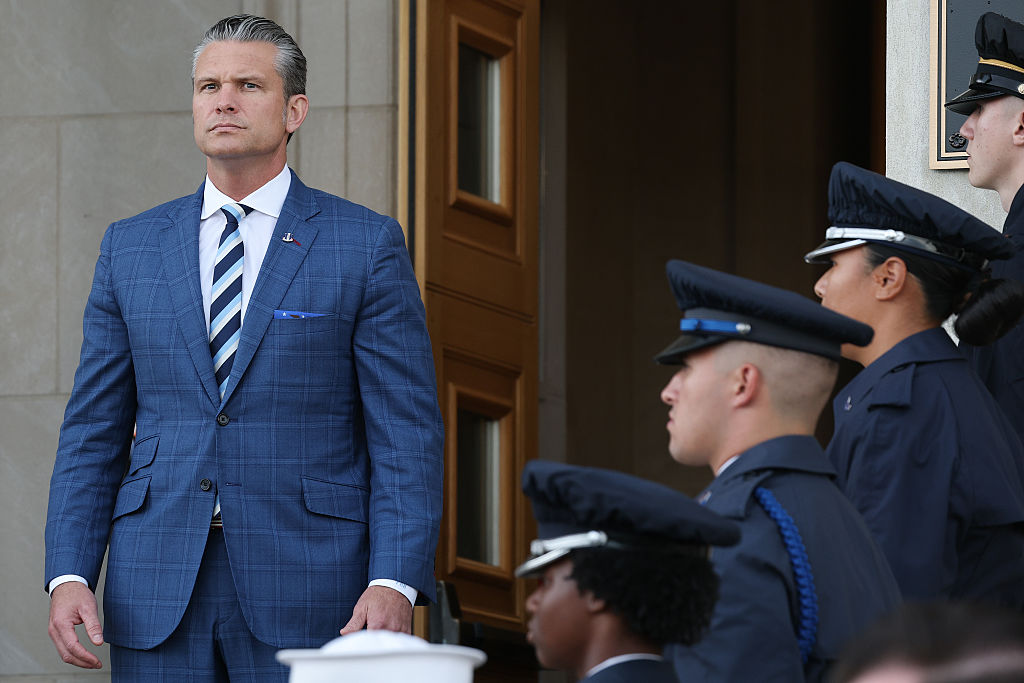
Pentagon investigators administered polygraph tests to dozens of military officers and civilian employees in August as part of an investigation into disclosures about the nation’s dwindling weapons stockpiles. The polygraph tests, first reported by The New York Times last week, followed Defense Secretary Pete Hegseth’s announcement in July that the Pentagon was forming a joint task force with the Department of Justice to identify and prosecute what he called the “unauthorized disclosure of sensitive” information to the press. Read More: Trump Vows to Jail ‘Leakers’ Over Reports of Munitions Shortage Amid Iran Talks Chief Pentagon Spokesman Sean Parnell said in a statement to TIME that it does not comment on investigative matters but “takes all leaks of classified national security information extremely seriously and investigates accordingly.” “Securing classified information is critical to ensuring the security of the United States and of our troops deployed around the world,” the statement said.
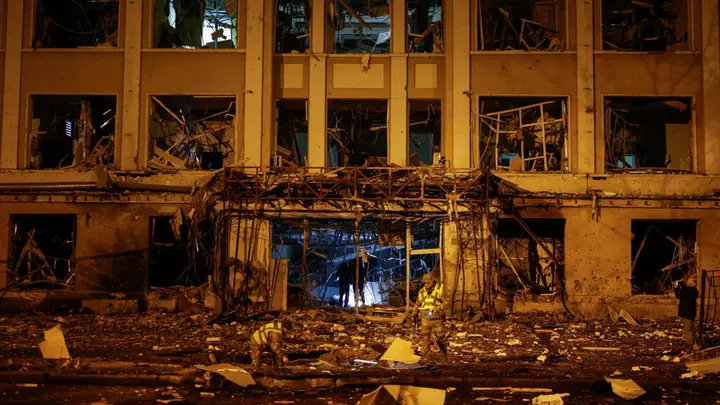
The August interrogations included some 50 members of the Joint Staff, according to the Times. CBS News also reported that several dozen officials were tested earlier this summer, including those from the U.S. Sources familiar with the matter told multiple outlets this summer that U.S. supplies of certain critical munitions—including long-range precision-guided missiles and air-defense interceptors—had fallen dangerously low.
They suggested that its inventory would likely dwindle further amid the ongoing war with Iran. Sources told The Washington Post that Trump clashed with Hegseth over the matter during a visit to Camp David on July 31, claiming that he had been “misled on extreme munitions shortages that now threaten to limit military options with Iran.” Trump refuted the idea that there were any shortages in a Truth Social post on Aug. 6. Trump intensified his attacks on the coverage on Sept. 3, calling media outlets who reported on the shortages “treasonous scum” who refuse to “accurately report” on the conflict with Iran.
Despite Trump’s repeated denials of a broad munitions shortage, the Center for Strategic and International Studies (CSIS) estimated in late July that missile interceptor inventories have dropped—with Patriot inventories now under 1,000 and THAAD inventories at about 250. Exact figures about the U.S. weapons cache are classified—and that’s for a good reason, according to Harrison Mann, a former defense intelligence official and a senior fellow with the advocacy group Win Without War. The Pentagon adheres to specific guidelines and restrictions when administering polygraph tests.
They are most commonly used in pre-employment and vetting for intelligence agencies like the National Security Agency and the Defense Intelligence Agency. They are also administered when personnel are seeking or maintaining access to top-secret, special-access, or other sensitive information—as well as in the event of unauthorized disclosures of classified information. Pentagon rules require an examinee’s written consent and allow the person to end the examination at any time.
For an issue-specific counterintelligence examination, investigators must have interviewed the person, reasonably believe that the person knew about or was involved in the matter, pursue other investigative avenues as thoroughly as circumstances permit, and determine that the polygraph is essential to the investigation. The Defense Secretary is also required to establish a process for monitoring the “responsible and effective” use of polygraphs and to make information about their use available to congressional defense committees. The Pentagon has not released enough information to determine whether investigators followed all those requirements.
Extract — continue reading at the source.