It’s only when I finish a novel and try to Google a question that I realize I don’t know how to search it. I’ve spent hundreds of pages with this character. I might know what sex they have and what sex they wished they had.
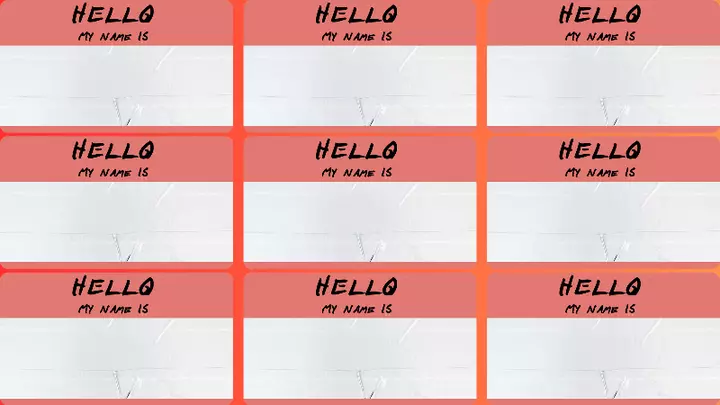
More often than I’d like, I know their defecation habits. I might know things about them that no one in their life knows, but I don’t know the one thing about them that everyone knows. I have no idea what to call them.
If you, like me, enjoy plot-light, vibe-heavy novels, you’ve probably spent a lot of time with unnamed narrators. In 2015, the phenomenon was widespread enough for Sam Sacks to label it an “epidemic” when he traced its history in the New Yorker. And it hasn’t slowed down in the years since.
Nameless narrators show up in some of the most discussed literary fiction of the past few years: Audition by Katie Kitamura, Transcription by Ben Lerner, My Year in Paris with Gertrude Stein by Deborah Levy, and, most recently, Life of M by Rachel Cusk. Of course, these only represent one species of nameless narrator. The convention is also popular in apocalypse novels, where social systems that make names useful have collapsed; in Christian allegory, where all of humanity is implicated; and in thrillers, where withholding a name can set up a plot twist.
But I see these as separate lineages from the ones I keep running into: narrators wandering around a city, isolated not by the fall of society, but their own ruminations. To be clear, I enjoy these books, and I think brooding on the subway is cool and fun. I don’t mind the nameless narrator as a convention.
I just don’t know what they want from me, or what they’re asking me to notice. Names are often proxies for identity, and the same can be said for their absence. In Rebecca, one of the most famous examples, the second Mrs. de Winter is unnamed, and her lack of a fixed self is arguably the novel’s central wound.
Extract — continue reading at the source.