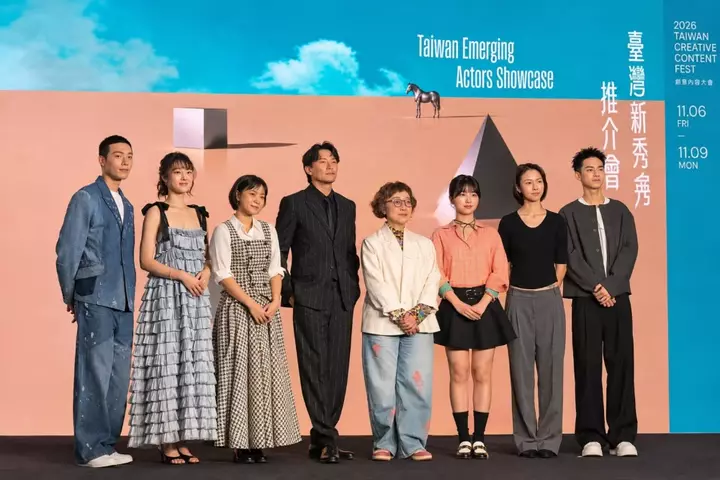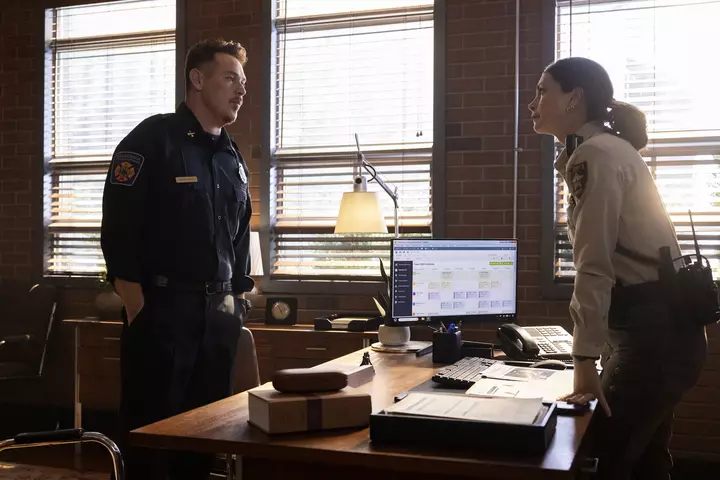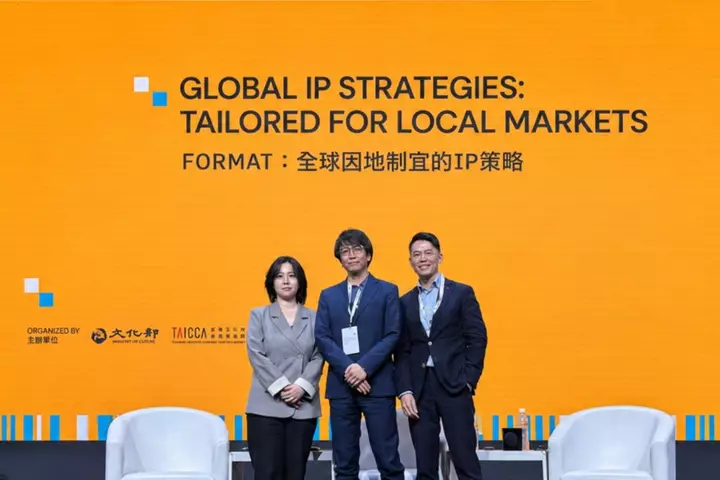
In the pilot of “Suits,” the briefcase that springs open during a job interview is full of marijuana, and it stays that way in the show’s Korean and Mongolian remakes. In Japan, the drugs became money, because drugs can’t be shown on Japanese TV, according to Linfield Ng, VP of format sales and production, Asia at NBCUniversal Formats, which licenses the show. Ng gave the example at Taiwan Creative Content Fest (TCCF) in Taipei, where he shared a stage with Fukaya Shunsuke, head of new format sales, Europe at TBS Television, for a session on how formats get adapted market by market.
Emily Chang, who heads the financial news team at Taiwan’s Videoland and produces “Shark Tank Taiwan,” moderated. Again, that did not change the DNA of the show,” Ng said. The same thinking applied to “SNL Korea,” which dropped the musical segment because Korea already has a glut of music and countdown shows.
Producers there also asked to soften or skip the U.S. show’s politically pointed cold open at sensitive moments, replacing it with topical material. On “Suits,” every legal case is localized while the core story of the man with no law degree stays intact. NBCUniversal has made more than 25 versions of “Top Chef,” and runs a “Top Chef” summit that brings producers from different countries together to trade notes on challenges, shooting styles and what works where.
Ng, who joined the company in 2011 after senior stints at BBC Worldwide, Endemol Asia and Warner Bros. Pictures, said his Singapore-based team holds pre-production calls with local partners weeks or months ahead, goes on set with a producer during the shoot and reviews early episodes before they air. Asian versions often add celebrity panels and more behind-the-scenes drama, which he said is agreed well in advance.
Fukaya, who joined TBS in 2009 and spent 12 years in production before moving into format sales, pointed to “Sasuke,” known internationally as “Ninja Warrior,” TBS’s biggest format hit with local versions in 25 countries. TBS keeps a brand guide for the show, separate from the production bible, that defines it as an Olympics for unknown athletes built on serious sportsmanship. Local changes are measured against that concept.
When the U.S. and the U.K. wanted a head-to-head version, TBS built a derivative race format, and Fukaya said every new variation gives the company more ways to sell the brand. Host-driven talk shows, by contrast, rarely work as formats, since what TBS licenses is the framework, rules and game, and the banter between particular hosts can’t be reproduced abroad. Co-development has been a growing part of TBS’s push since the broadcaster declared two years ago that it was starting its first global year.
Extract — continue reading at the source.