Mindful of the pain record-high diesel prices are causing across the U.S. right now, Senator Chuck Grassley, a Republican farmer from the agricultural state of Iowa, reached for a Nixon-era precedent. Depth of political memory is in the gift of a 93-year-old lawmaker. Urging President Donald Trump to impose a temporary embargo on diesel exports by executive action, Grassley reminded the Senate that Richard Nixon "did it for the consumers of America, when he put embargoes on soybeans." Farm economists remember that embargo a little differently.
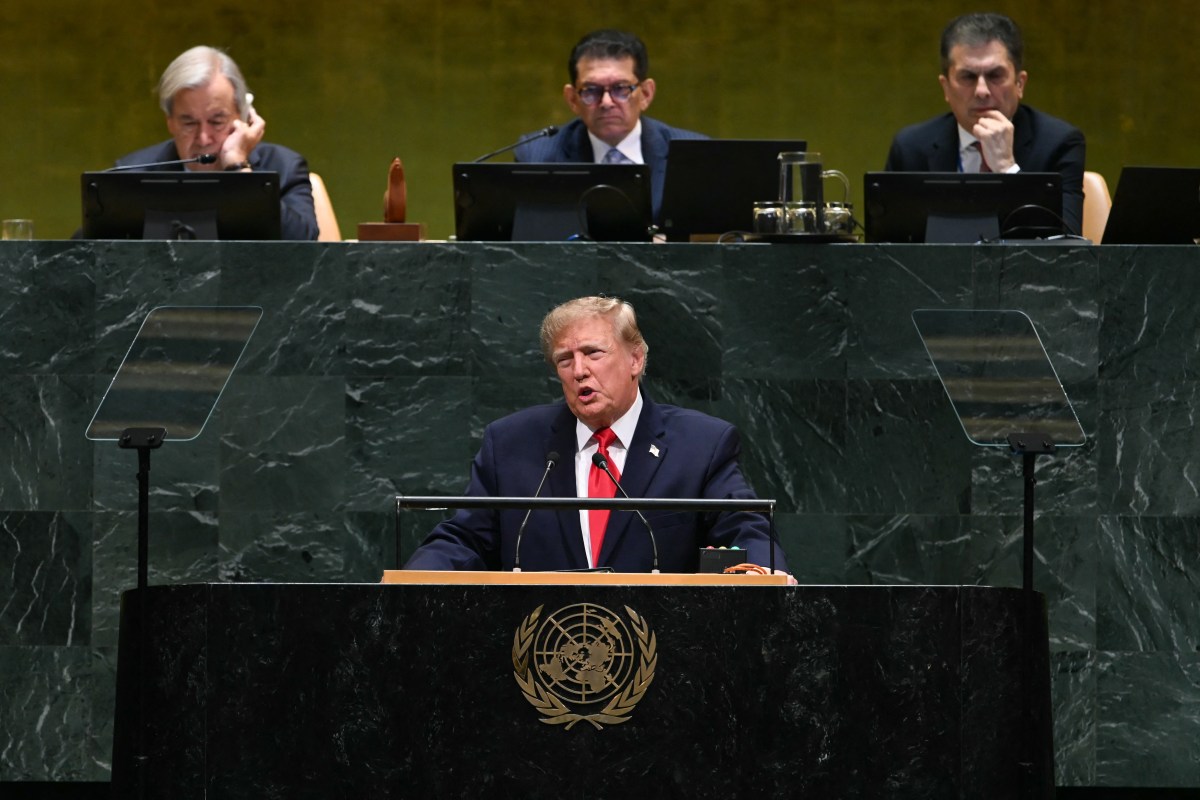
To them it was the moment a vital customer, Japan, went looking for another supplier, and found Brazil—now the chief rival of Iowa’s own soybean growers. The same day, at the United Nations, Trump said he had called for a ban inside his administration: "I've said let's not send out the diesel." Treasury Secretary Scott Bessent said officials were weighing feasibility, given refining capacity, and which form, full or partial, might work. As of Wednesday, no order has been issued.
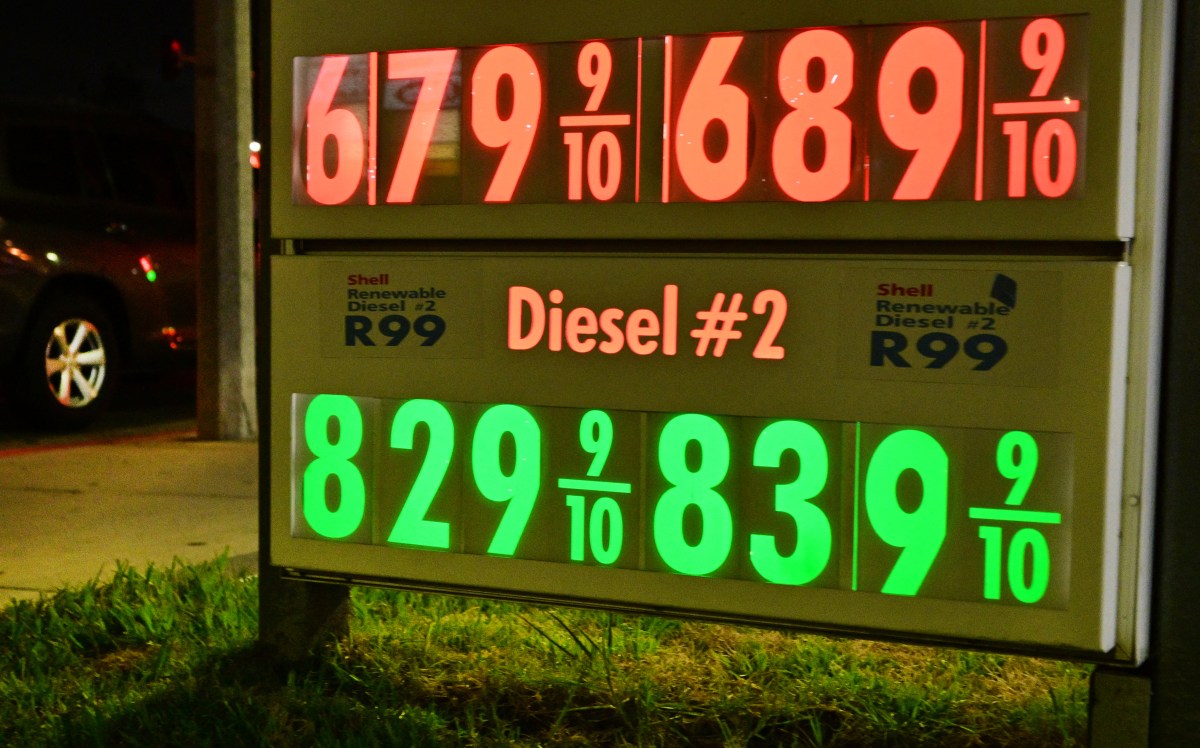
Diesel averaged a record $6.53 a gallon on Tuesday, according to AAA, up from $3.69 a year earlier, spiking in large part due to the Russia-Ukraine and Iran wars. That’s hitting hard in rural areas currently harvesting, in freight businesses, among Americans who drive heavier vehicles like SUVs, and many others. The appeal of a diesel export ban is intuitive.
America produces more diesel than it burns, so why not keep the surplus at home and drive prices down? But that diesel surplus is concentrated on the Gulf Coast, where refineries depend on an export outlet they can’t simply swap for customers in every corner of their own country. Close it, and the likeliest result is not cheaper diesel everywhere, but fewer refinery runs—and, potentially, less gasoline.
The opposite outcome of what an export ban intends to achieve. Trump himself acknowledged that an export ban "could have a little bit of an effect on regular automobile gasoline," so "it’s a balance." The numbers show why. In early September, U.S. refineries were running at nearly 98 percent of capacity and producing about 5.3 million barrels of distillate a day, while the country used about 3.7 million, according to the Energy Information Administration (EIA).
Most of the difference is exported, some 1.6 million barrels a day in August, according to Kpler data, up from about 1 million before the Iran war. The EIA describes the Gulf Coast as "a region where more fuel is produced than consumed," with relatively little pipeline capacity to the West Coast. The American Petroleum Institute, which opposes a ban, says "geography and infrastructure" keep much of that surplus from markets that need it.
Extract — continue reading at the source.