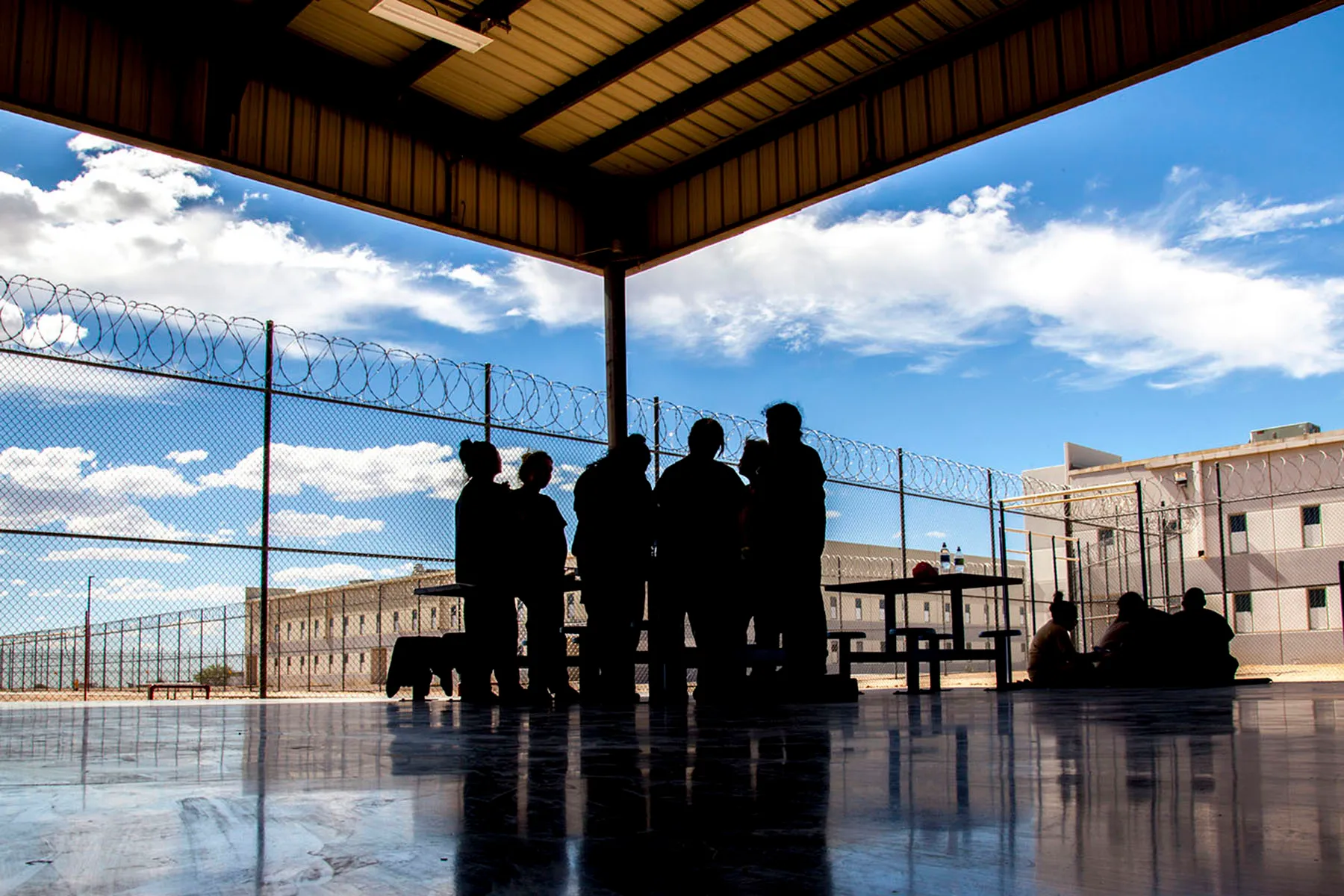
Lawmakers are calling for the immediate release of 24-year-old Maria Alejandra Valero Brinez, who said she is five months pregnant and having potentially dangerous complications while detained in Arizona’s Eloy Detention Center. Three years ago, Valero Brinez experienced a stillbirth when she was eight months pregnant due to her placenta being attached to the lower part of her uterus. Now, she told lawmakers, she is suffering the same complication, known as a low-lying placenta.
She isn’t receiving regular medical care and worries she could lose another pregnancy. Adelita Grijalva and Yassamin Ansari of Arizona and U.S. Maxine Dexter of Oregon met Valero Brinez during a Wednesday visit to Eloy, where she has been detained since August.
Valero Brinez told them that she has experienced abnormal bleeding and visited the emergency room multiple times because of her low-lying placenta. It is egregious that we are keeping her in custody with a high-risk pregnancy.” The complication is a risk not just to her fetus but to her own health; it comes with a higher likelihood of hemorrhage either during a miscarriage or delivery, Dexter said. Like you can bleed, and bleed, and bleed, and bleed and not stop.” The oversight visit, coordinated with the advocacy group Reproductive Freedom for All, is one of several conducted by congressional Democrats during the Trump administration’s sweeping immigration enforcement campaign.
Lawmakers spoke exclusively to The 19th about the trip to Eloy. The Department of Homeland Security has come under fire for detaining pregnant, postpartum and nursing people, a practice the federal government had restricted under the previous administration. Eloy has drawn particular scrutiny.
Multiple women who were detained at the facility while pregnant said they received insufficient healthcare, including one who said she miscarried. Both Grijalva and Ansari visited the detention center in the past year and said detainees reported limited access to medical care and difficulties getting drinking water, including being provided ice chips instead of water or needing to buy bottled water. Recent polling by The 19th and YouGov found that most Americans believe pregnant, postpartum and nursing people generally should not be held in detention facilities.
They also believe that those who are detained should receive basic pregnancy-related healthcare. At Eloy, Valero Brinez told lawmakers she is not having regular prenatal appointments and that the only time she sees a doctor is when she is experiencing a medical emergency. Like CoreCivic is the patient.” CoreCivic, the contractor that operates the facility in Arizona, and the Department of Homeland Security have not responded to requests for comment.
Extract — continue reading at the source.