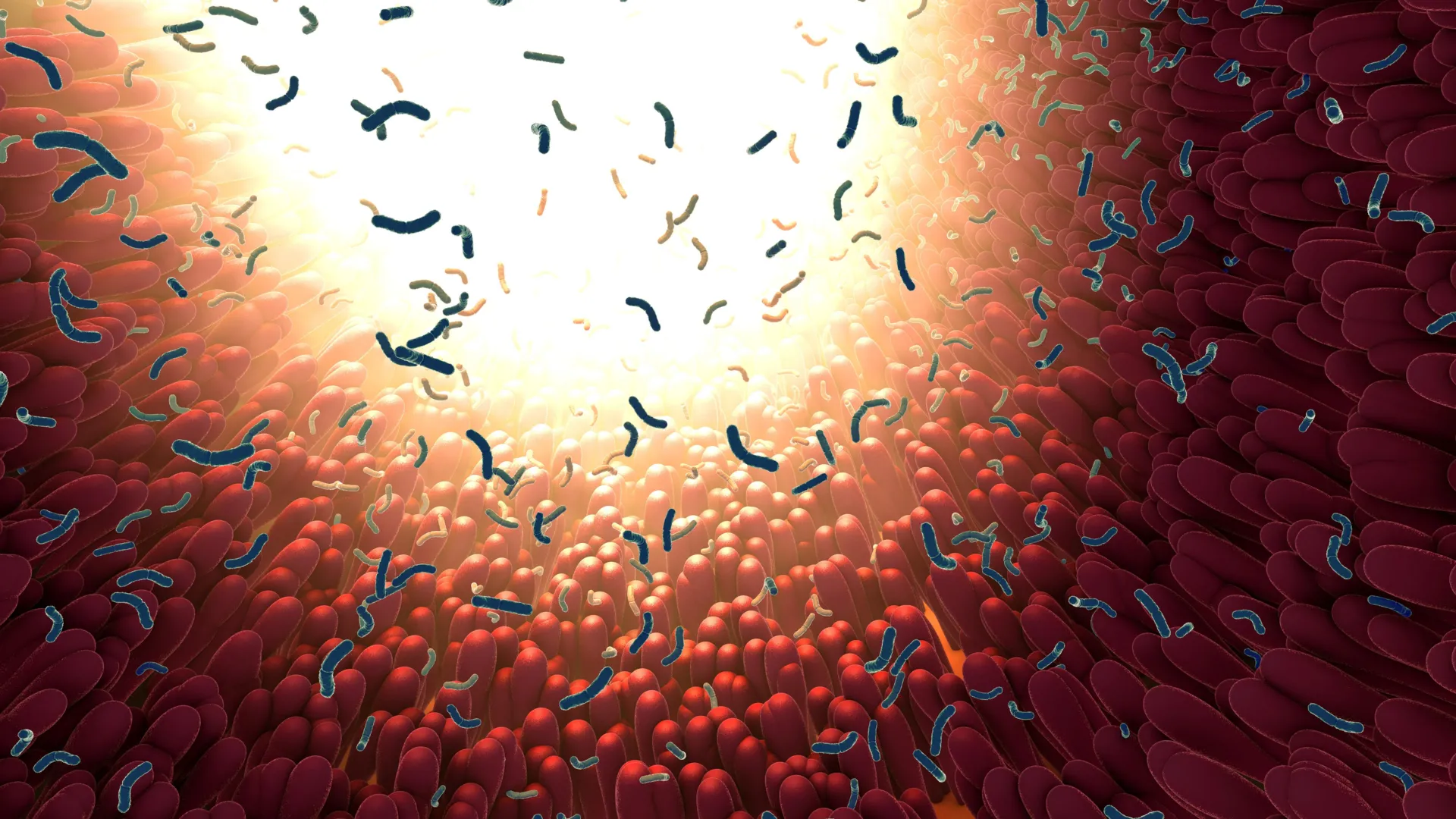
The human gut is home to trillions of microorganisms (the microbiome), a vast community that helps shape digestion, immune function and metabolism. Now, researchers led by the University of Vienna have found that many gut bacterial species are more complex than they appear. Using an analytical strategy known as 'reverse ecology,' the team showed that individual bacterial species can contain several evolutionarily distinct populations, each adapted to different conditions inside the gut.
Some of these populations were associated with advanced age, chronic inflammatory bowel diseases, colorectal cancer and type 2 diabetes. The findings, published in Nature, could help scientists identify more precise microbiome biomarkers and may eventually support treatments aimed at specific bacterial populations rather than entire species. Most microbiome research groups bacteria by species or by broad genetic similarity.
These categories are useful, but they can overlook important differences between populations that have adapted to different environments within the human body. That can make it difficult to determine which bacteria are genuinely associated with disease, which are simply present by coincidence, and which may have protective effects. The researchers therefore asked whether they could identify more biologically meaningful bacterial groups by looking for evidence of adaptation and specialization within the gut.
The team examined thousands of bacterial isolates collected from the human gut, along with large amounts of metagenomic data from people in multiple countries and across different age and health groups. Metagenomic data includes the complete genetic information of microbial communities in the sample. To analyze these data, the researchers developed a bioinformatic method based on 'reverse ecology,' an approach that uses genomic information to infer how organisms have adapted to particular environments.
The goal was to identify genetic signatures showing that certain bacterial populations had successfully adapted to specific ecological niches inside the gut. Hidden Lineages Within Familiar Gut Bacteria One especially important clue came from signs of so-called 'genome-wide selective sweeps.' These occur when an individual gains a beneficial mutation that gives it an advantage over closely related individuals, allowing its descendants to become dominant. This process reduces genetic diversity within the successful population.
At the same time, it can create groups that are highly similar in both ancestry and biological function, making them easier to distinguish from neighboring populations. The analysis revealed that many well-known gut bacterial species actually divide into several distinct evolutionary lineages. These populations appear to be better suited to different conditions within the gut.
Extract — continue reading at the source.


