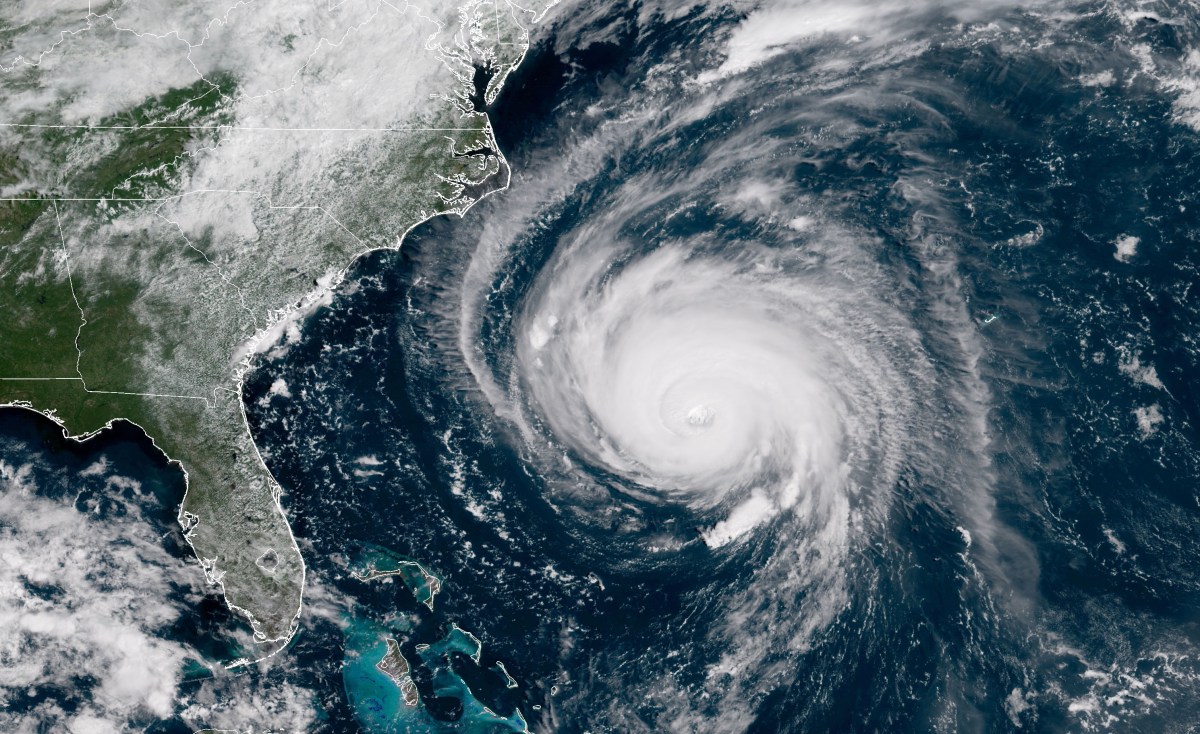
The 2026 Atlantic hurricane season is approaching a record for the latest formation of its first hurricane, with the basin yet to produce one as it nears its climatological peak. AccuWeather reported that the latest date for the first Atlantic hurricane of a season during the satellite era was September 11. That happened in both 2002 and 2013.
If no hurricane forms by September 11, the 2026 season would pass that benchmark, according to the outlet. Five named storms have formed so far in the Atlantic as of Tuesday, but none became hurricanes. National Hurricane Center (NHC) data shows that the season so far has produced two fewer named storms, three fewer hurricanes and one fewer major hurricane than the 1991-2020 averages for this point in the year.
AccuWeather attributed the limited activity partly to disruptive wind shear and plumes of dry air associated with Saharan dust. Lead Hurricane Expert Alex DaSilva said the less-favorable environment was expected to persist the rest of the season—through November—and could result in lower overall activity. "It seems extremely unlikely at this point we will have a hurricane by Friday, which means this season will set the record for the latest [first] hurricane," AccuWeather meteorologist Nick Arman told Newsweek.
"If you include all recorded years, counting before satellites going back to the late 1800s, there have been some years that recorded zero hurricanes. However, this has not occurred since 1914 and 1907, well over 100 years ago. "Another record to watch is the number of hurricane and major hurricanes.
There have been a number of years not to record a major hurricane [Category 3 or higher on the Saffir-Simpson Hurricane Scale], the most recent being 2013. It is still very uncommon though. However, there have only been two years with zero hurricanes [1907 and 1914], and two years with only one hurricane [1925 and 1905].
None of these are in the satellite era as well." AccuWeather’s experts are watching an area off the southeastern U.S. where a slow-moving front could increase thunderstorm activity. It assigned the area a low chance of tropical development through the middle of September. El Niño is the warm phase of the El Niño-Southern Oscillation, or ENSO, a recurring Pacific climate pattern that can affect weather worldwide.
Extract — continue reading at the source.