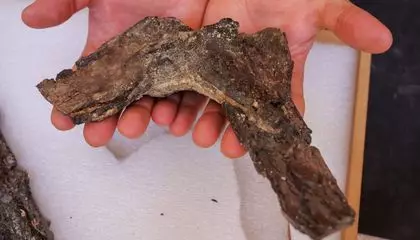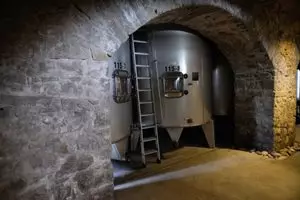
Video of the process on display nickblossom / Atlas Obscura User A copy of the yellow buoy used to mark the location of the “Winereef” nickblossom / Atlas Obscura User The prototype of the undersea fermentation container nickblossom / Atlas Obscura User An infographic explaining the method is on the wall of the tasting room nickblossom / Atlas Obscura User Video of the process on display nickblossom / Atlas Obscura User A copy of the yellow buoy used to mark the location of the “Winereef” nickblossom / Atlas Obscura User The prototype of the undersea fermentation container nickblossom / Atlas Obscura User An infographic explaining the method is on the wall of the tasting room nickblossom / Atlas Obscura User Just off the coast of Saint Jean De Luz, near the breakwater that protects the bay from Atlantic swells, floats a cheerful yellow buoy unnoticed by most tourists and beach-goers at the popular resort town across the harbor. It's easy to miss, but it's the only above-water sign of something remarkable on the ocean floor about 15 meters below. Egiategia (the name is a Basque play on words that roughly translates as "true warehouse or workshop") has been fermenting wine underwater since 2012 using the constant motion of the waves to continuously agitate their wine as it ferments in specially designed vats anchored to the sea floor.
The winery sources grapes from local vineyards, pours the juice into their patented containers, loads them onto a boat, and drops them into the sea by the yellow buoy, where a team of divers secure them to anchors at their "Winereef." They'll remain underwater for periods of six months to a year. While wine itself is about as dense as water, the yeast responsible for creating alcohol also creates carbon dioxide as a byproduct, which makes the huge containers slightly buoyant. Once they're anchored to the ocean floor, they sway in the current like a balloon would sway in the breeze.
This means the wine is never truly at rest as it ferments. Additionally, microscopic pores in the material the vats are made of allow excess carbon dioxide to escape while keeping the salty ocean water out and maintaining a low-oxygen environment. Apart from fermentation, most of the wine-making process can't be done underwater of course, and neither can tasting the finished product.
The tasting room and above-water cellar is housed in a 17th century building originally used to manufacture cement for the nearby pier. It's here that they accomplish everything else, including fermenting some wines traditionally so that they can create interesting land/sea hybrid wines in addition to their 100% submarine fermentations. The Winemakers tout the sea as an active partner in the vinification process.
Whether that partnership is worth its salt is up to those who taste a glass, but you'll be hard-pressed to find wine made by the sea anywhere else. Get more unusual and extraordinary places each week with the Atlas Obscura Places newsletter. Your newsletter subscriptions with us are subject to Atlas Obscura's Privacy Policy and Terms of Use.
Visits to the cellar can include a tasting of a few wines and either a brief overview of the process or a more in-depth discussion. It's recommended to book in advance, especially if you need the explanation in a language other than French. Dive for drinks at Croatia's first and only underwater winery.
Extract — continue reading at the source.