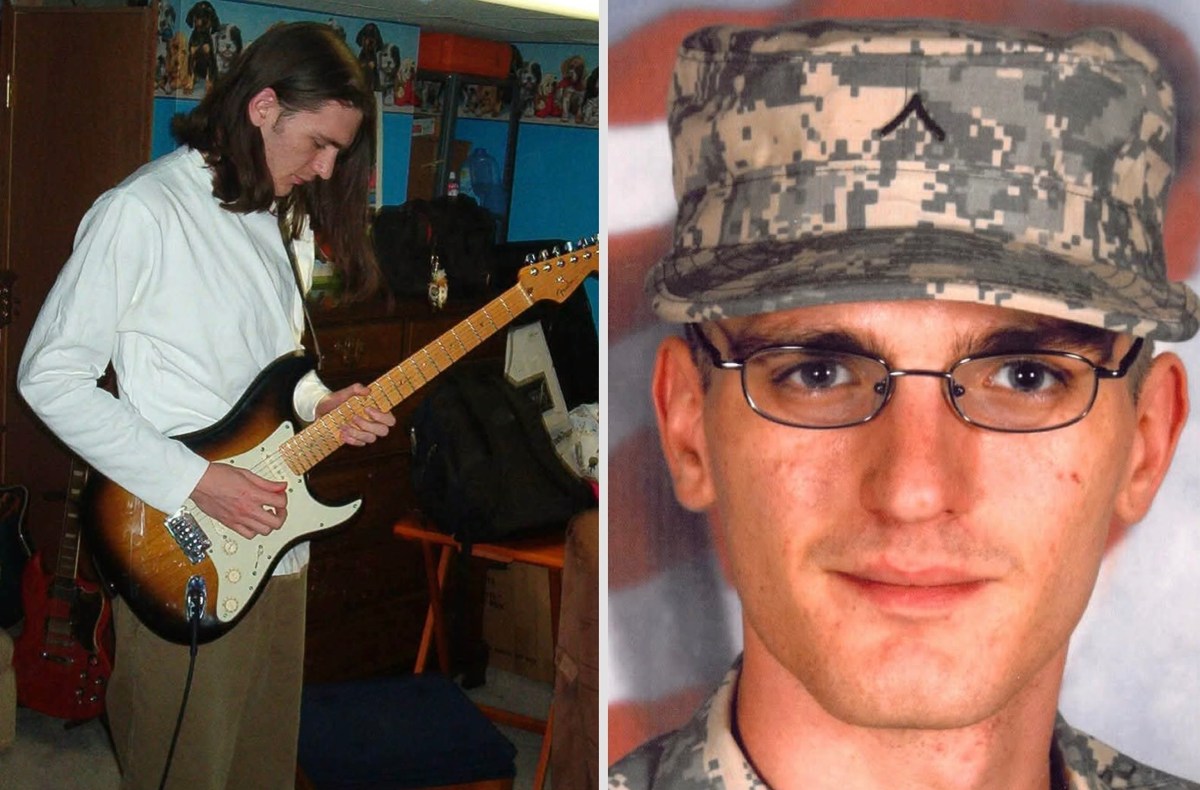
The brothers of a solider who was killed in the Fort Hood shooting is urging President Donald Trump to reconsider the plan to livestream the firing squad execution of Fort Hood shooter Nidal Malik Hasan. A Pentagon official told Newsweek on Friday that Hasan’s execution would be livestreamed, after Defense Secretary Pete Hegseth earlier said that it would be “public.” Hasan was convicted of killing 13 people and injuring 32 others in a shooting spree at the military base in November 2009. Kristopher Craig, an Army veteran whose 22-year-old brother Army Pfc.
Michael Pearson was among the 13 killed, told Newsweek that he began drafting a letter to send to Trump and Hegseth after hearing the news that Hasan's execution would be livestreamed. He said he plans to submit the letter via the White House's online contact form and send physical copies to Trump and Hegseth by mail. Trump told reporters on Friday that he had personally authorized the proposal to livestream Hasan’s execution.
A Pentagon spokesperson declined to comment when contacted by Newsweek about Craig's letter. "We have nothing to provide," the spokesperson said in response to a request. The White House has been contacted for comment via email.
I have spent those years thinking about grief, anger, forgiveness, justice, and what it means to lose someone you love to an act of violence that becomes part of our nation's history,” he wrote. He joined the Army because he wanted opportunities and a better future for himself. He was trying to make something of his life, as millions of young Americans do,” he wrote.
He was trying to live, and he never got the chance. I want the other twelve people who were killed that day to be remembered as people, too, not merely as names invoked to explain or defend a government decision.” Craig opposes the death penalty, but wrote in the letter that he respects the feelings of those who support Hasan’s execution. I respect their feelings and would never presume to speak for them.
However, I am asking you to respect mine as well.” Craig directed a section of his letter at Hegseth, who said in a recent interview that the plan to make the execution “public” was because “people need to understand that there are serious consequences for these types of things.” “Secretary Hegseth, I understand the message you are trying to send,” he wrote. But I ask you to consider whether broadcasting an execution actually accomplishes that. Does witnessing another person's death make someone less likely to commit violence?
Extract — continue reading at the source.