Your sympathetic nervous system takes over, triggering the release of stress hormones into the bloodstream, which increases heart rate, blood pressure and breathing pace. These changes happen involuntarily, whether you’re facing true danger or just an overflowing email inbox. But scientists are learning how to regain some control, guiding the nervous system out of fight-or-flight mode and into relaxation.
Some techniques for doing so are probably already second nature, like recentering yourself with slow, deep breaths. But there’s also mounting data to support a range of zany-sounding practices, including humming, tapping on the skin and cold-water immersion. They’re actually ways to call off the sympathetic nervous system and let the calming parasympathetic nervous system take over, leading to lower stress hormone levels, heart rate and blood pressure.
Doing so successfully may yield significant health benefits, since an over- active stress response can, over time, contribute to hypertension, strain on the heart, excess inflammation and other issues. Stimulating the vagus nerve, which runs from the brain stem to the abdomen, is one way to activate the parasympathetic nervous system. Breathing exercises can stimulate the nerve.
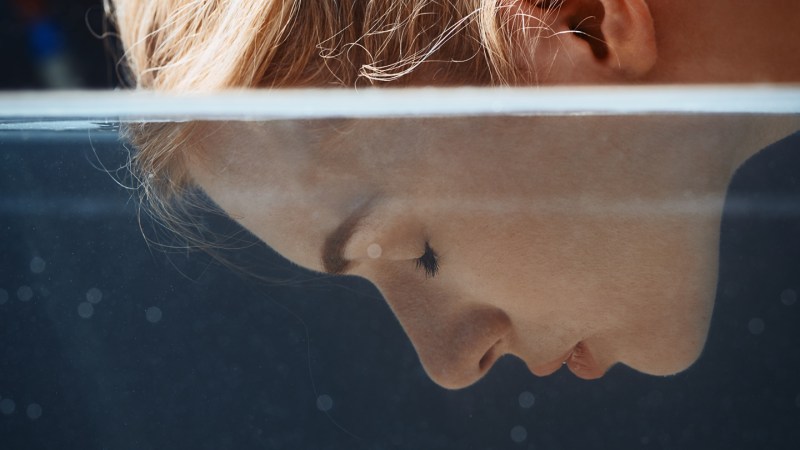
A trendier approach, cold therapy, might too, research suggests. In a small study, scientists observed 25 people as they performed mental math. Twelve participants wore a facial cooling mask beforehand, meant to mimic submerging the face in cold water —a known way to stimulate the vagus nerve.
Their levels of the stress hormone cortisol spiked lower and returned to baseline faster than those of people who hadn’t worn the mask, the team reported in 2022 in Scientific Reports. Techniques like humming and tapping on the skin also seem to activate the parasympathetic nervous system. Slow breathing plus humming can increase heart rate variability, a measure of the fluctuating time between heartbeats, scientists reported last year in Physiology & Behavior.
High heart rate variability is a marker of a well-regulated nervous system. It signals that “your body is doing less fighting itself on the inside” and is seamlessly switching between stress and relaxation, says physical therapist Karin Steere of the University of Puget Sound in Tacoma, Wash. Tapping on specific spots on the skin, meanwhile, may generate electrochemical signals that travel from nerves to the brain, telling the parasympathetic nervous system that it’s time to take over, argued a 2025 research review.
Extract — continue reading at the source.




/https://tf-cmsv2-smithsonianmag-media.s3.amazonaws.com/filer_public/de/10/de107b2f-8565-4cb6-b29f-c9d45f3f1c79/montana-heritage-center-exterior-helena_credit-sarah-bolt-tempest-technologies_35.jpg)
/https://tf-cmsv2-smithsonianmag-media.s3.amazonaws.com/filer_public/79/a9/79a9dc1f-a513-461c-95b9-01f2517bf121/julien-anton-1920x1280.jpg)