Here is an archive-compilation documentary from Sergei Loznitsa, a hypnotic panorama of early 1970s life across the vast reaches of the Soviet Union, or maybe we should call it the Soviet empire. Loznitsa gives it the Latin title Imperium, perhaps to recall the Romans before their decline and fall. His material is taken from fascinating footage shot between 1970 and 1973 by a visiting Italian camera crew who presumably had the necessary permissions and were well enough liked by the authorities to keep coming back.
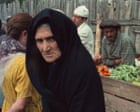
The effect is part Potemkin village, part seance, part ethnographic study; there are no interviews or voiceover, just ambient footage. (The Italians may have intended this material as B-roll to be fitted into a more conventional film.) Imperium has sometimes the eerie quality of a ghost story with phantoms drifting placidly across the screen, gazing blankly into the camera, occasionally grimacing or grinning, but destined never to see the film of which they are a part. We don’t see the gulags, of course, or really anything like agencies of the state, apart from the soldiers at the October Revolution parades in Red Square. Many of the former Soviet state capitals featured here nowadays have tourist-attraction KGB museums based in their brutal former HQs; that kind of thing is obviously absent here.
What we do see is a demonstration of everyday life in the big cities of Moscow, Leningrad and Kyiv, with their shops and busy avenues, heartbreakingly provincial fashion shows and pop bands – but also the very un-modern rural traditions in various countries across Asia: traditions and norms that pre-existed the Soviet Union and carry on now, very possibly looking exactly the same in 2026 as they did in the early 70s. One weirdly pagan display appears to involve setting fire to an enormous phallus. Loznitsa introduces each segment with a resounding funeral bell with the screen cutting to a vivid and symbolic red.
The challenge implicit in Loznitsa’s film is how to gauge the reality of all this. Does it indirectly reveal quiet desperation? Much of it looks stolidly grim, but then similar footage of Britain in the early 70s looks grim in the same way.
It is placid and often dreary, without the crazed eventfulness of Adam Curtis’s similar compilation feature about Russia in the early 90s. But the film certainly shows how colossally diverse the USSR was ethnically. Exporting the revolution was a colonial project.
And the Soviet authorities were probably entirely content for these cultural displays which had nothing to do with Marxism-Leninism to be recorded because they showed the sheer range of different people who were apparently willing to embrace Soviet communism. And perhaps Imperium does, in its way, show what Soviet life was like, on the surface, at any rate for those who didn’t step out of line. What are all these people thinking and feeling?
Extract — continue reading at the source.