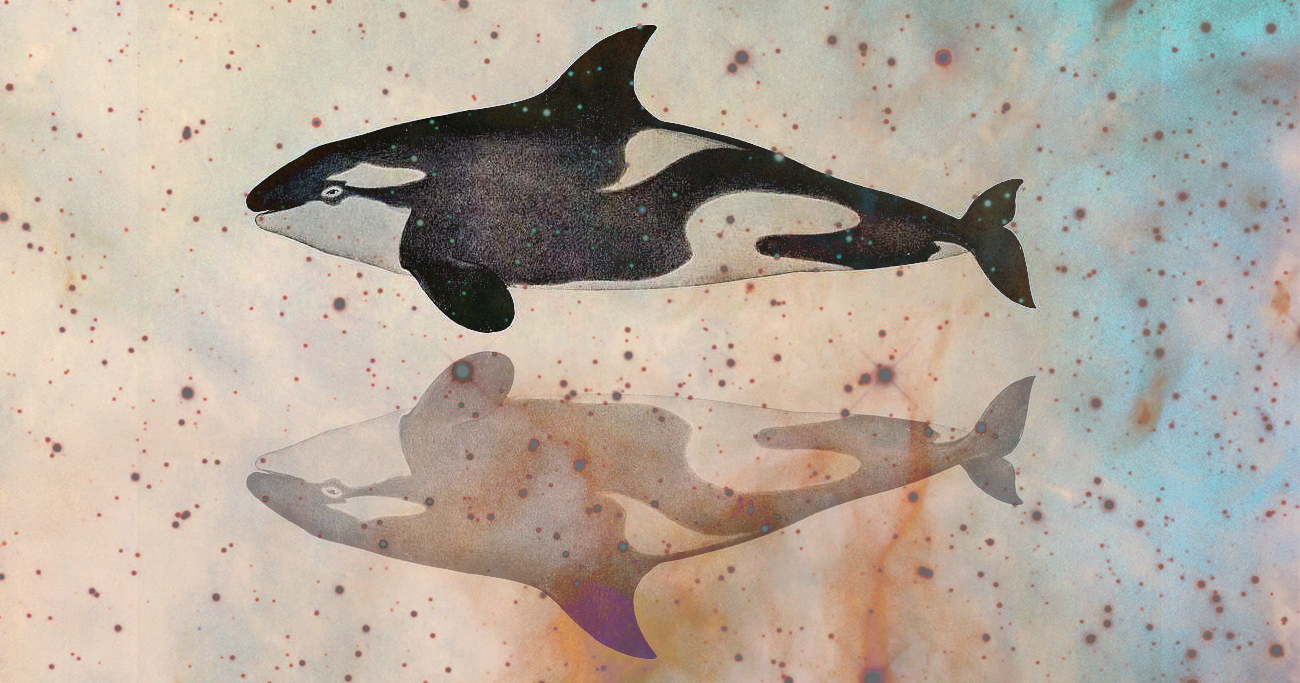
If we are lucky enough, if we are courageous enough, every once in a while we dive into the depths with another. It is not easy, because even through our best self-awareness, we remain largely unfathomable to ourselves. To reach the nether fathoms with another is a transcendent terror — one we can only bear for a little while before some great gasp of panic beckons us back to the surface.
The willingness to stay is what we call intimacy, and it is the hardest-won, most precious mutual gift two people could exchange. In the final year of his life, six years after he radicalized the psychology of relationships with his now-iconic book Games People Play, Eric Berne (May 10, 1910–July 15, 1970) took up the intricacies of intimacy by building on his central model of the three ego states that live in each of us: the Child (the most natural, vulnerable, and spontaneous part of our personality, keeper of our creative vitality and our most unalloyed capacity for pleasure); the Parent (the part of us that unconsciously mimics the psychological responses of our parents as we observed them in childhood); and the Adult (the competent and self-possessed part of us capable of making sound decisions in our best interest). In Games People Play, Berne had codified the basis of all human miscommunication and mutual wounding in the crossed communication channels between these three different ego-states as they converse with one another within and between persons.
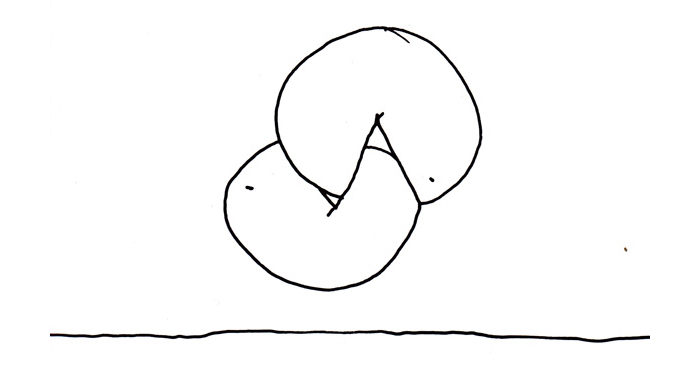
In Sex in Human Loving (public library), he considers the particular interference that garbles the flow of intimacy and the particular solution to it. He writes: The human race has had so much time on its hands, and is so afraid of open intimacy, that it has devised many ways of using its organs for hidden purposes and for frivolous or false relationships. Intimacy is a candid Child-to-Child relationship with no games and no mutual exploitation.
It is set up by the Adult ego states of the parties concerned, so that they understand very well their contracts and commitments with each other, sometimes without a word being spoken about such matters. As this understanding becomes clearer, the Adult gradually retires from the scene, and if the Parent does not interfere, the Child becomes more and more relaxed and freer and freer. The actual intimate transactions take place between the two Child ego states.
The Adult, however, still remains in the background as an overseer to assure that the commitments and limitations are kept. The Adult also has the task of keeping the Parent from barging in and spoiling the situation. In fact the capacity for intimacy depends upon the ability of the Adult and the Child to keep the Parent at bay if necessary; but it is even better if the Parent benevolently gives permission or, best of all, encouragement, for the relationship to proceed.
Parental encouragement helps the Child lose his fear of intimacy, and assures that he will not be restrained by a burden or threat of guilt. Berne notes that anyone who has embarked on an intimate relationship would recognize the mental voices of the three ego states — the exuberant Child, impatient to dive headfirst into the shimmering waters of the new relationship; the Parent wagging a finger at some supposed red flag or “making some approving comment… at which the Child nods eagerly,” and the Adult coolly evaluating the situation until a pronouncement can me made that this potential partner seems to be “the one.” Real intimacy, Berne argues, requires that the Child be set free from both the inner Parent and the Adult, for they have corrupted true seeing with notions of knowing: naming things, classifying things, conceptualizing things — the interpretive filters we superimpose over raw experience as we grow up. In Berne’s model — although he doesn’t use those terms, for ancient Eastern philosophy was yet to permeate mainstream Western culture — the Child is the most nondualistic part of us: the part that inhabits that primeval space before the world has been divided into subject and object, when all is unfiltered experience, spontaneous and pure.
Extract — continue reading at the source.

/https://tf-cmsv2-smithsonianmag-media.s3.amazonaws.com/filer_public/b0/b2/b0b276d8-542c-4966-860c-f52c810907af/alexander_the_great_school_in_mieza.jpg)