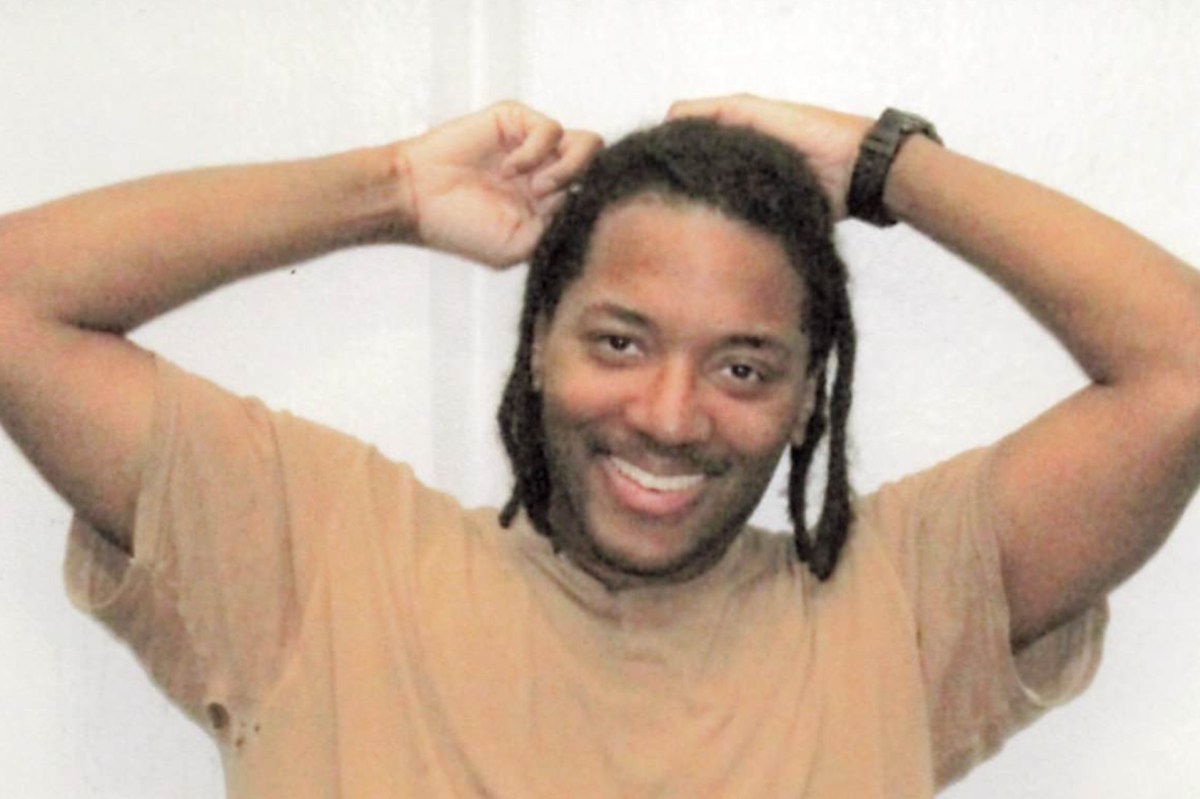
President Donald Trump has ordered for Nidal Hasan, the former U.S. Army psychiatrist who gunned down 13 unarmed U.S. soldiers in Fort Hood, Texas, in 2009, to be executed by firing squad. Pentagon spokesperson Sean Parnell said on social media that the suggestion to use the firing squad was made by Secretary of Defense Pete Hegseth and later approved by the president.
The mass shooter, who was sentenced to death by a military jury in 2013, is set to become the first U.S. soldier to be executed in more than 60 years. But use of this particular method of execution—and call for introducing it in states that do not allow it—is on the rise across the country after the Trump administration reintroduced firing squads, electrocution and gas asphyxiation as alternative methods of executing people sentenced to the death penalty in April, especially as concerns over the use of the lethal injections pile up. Firing squad is one of five methods of carrying out the death penalty that the U.S. has used historically, including lethal injection, electrocution, gas and hanging.
The firing squad has been used only six times since 1977, when the use of capital punishment resumed after a 10-year pause. Trump added it to the permissible forms of execution for the gravest of federal crimes last year, though it remains rare. Lethal injection has historically been the most commonly used method since 1976, followed by electrocution, while hanging is currently illegal in all U.S. states.
There is a difference between the majority of executions in the U.S. and those involving U.S. Under military law, any military execution requires appellate review and a final judgment on its legality to move forward, after which it needs to be approved by the U.S. president. Most of the executions not involving U.S.
Army personnel are carried out at the state level, at least in those 27 states where capital punishment is still legal. These include Alabama, Arizona, Arkansas, Florida, Georgia, Idaho, Indiana, Kansas, Kentucky, Louisiana, Mississippi, Missouri, Montana, Nebraska, Nevada, North Carolina, Oklahoma, South Carolina, South Dakota, Tennessee, Texas, Utah and Wyoming. California, Ohio, Oregon and Pennsylvania do not actively execute sentences either due to an official governor’s moratorium.
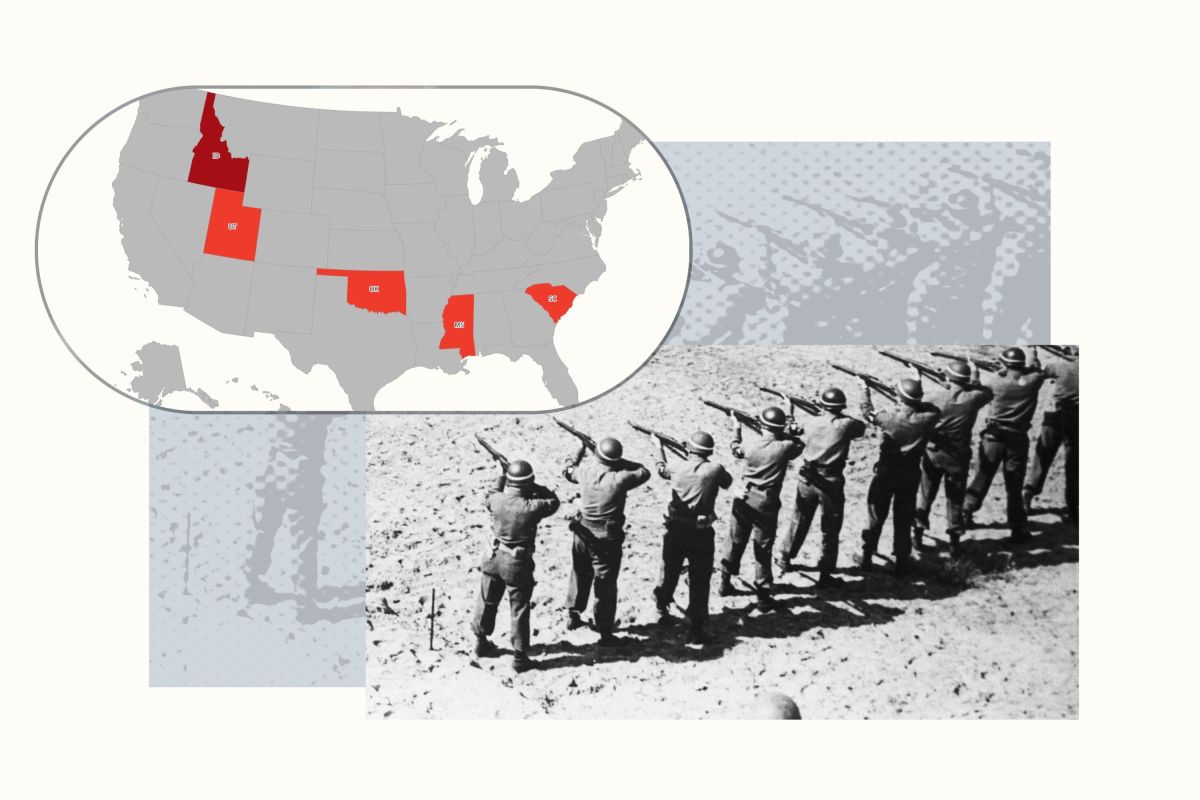
Oregon and Wyoming have no inmates on death row. A total of 23 states and Washington, D.C., have completely abolished capital punishment. Within the 21 states that have the active authority and capability to carry out executions, only five allow executions to happen by firing squad, including Idaho, Mississippi, Oklahoma, South Carolina and Utah.
Extract — continue reading at the source.