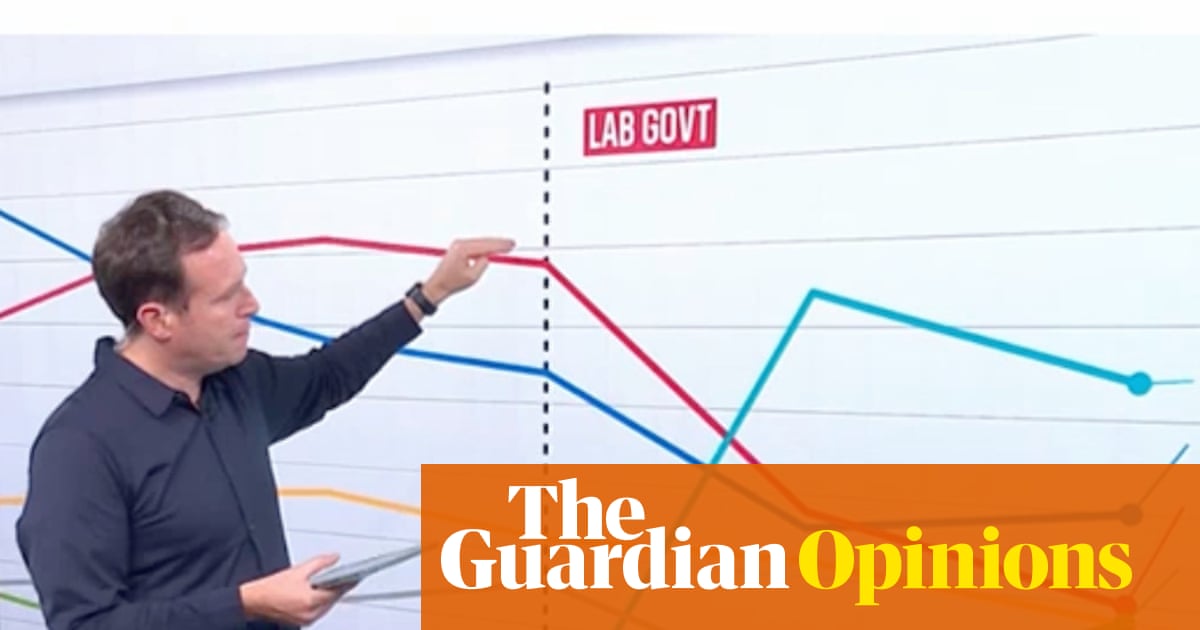
Yes, it’s time for the latest bout of profound soul-searching in the UK polling industry following the allegations raised by the recent Channel 4 investigation that a polling firm reportedly failed to declare that three polls it published before the local elections in May were commissioned by Reform. By now these reckonings are becoming a regular occurrence in the wake of big elections: pollsters gather in a room, nibble biscuits, ritually self-flagellate, and pledge to learn all the right lessons from the electorate they’ve just catastrophically misread. Yet for all its very public ignominies, political polling is one of those rare and precious industries that somehow manages to keep failing upwards.
You might think that after botching the 2015 and 2017 general elections, the 2016 Brexit vote and the 2021 London mayoral poll, we might have learned better than to trust in the mystical magic graph. In this parallel universe Keir Starmer is now sitting on a colossal 318-seat majority, as forecast by Survation in its final MRP poll on the eve of the 2024 general election, overstating the actual result by a mere 144 parliamentary seats. I am, of course, being slightly unfair.
Most of the reputable pollsters enjoy just as many hits as misses – and are, by and large, staffed by smart and diligent people who genuinely care about their craft. Doubtless many among their number would object to any suggestion that the apparent misbehaviour of one firm – JL Partners, who were secretly filmed agreeing to carry out a poll favourable to Reform without disclosing who was commissioning it – can somehow be extrapolated to the wider profession as a whole. To which the only reasonable response is: well, let’s see how you like it.
And rest assured, I’ve read the Substacks. I’ve signed up to (the free version of) the newsletters. I’ve talked to polling experts.
I’ve swished a curious finger up and down the interactive graphics. I’ve sat through interminable briefings in which a very nice man explains why he decided to carve up the voting public into 16 distinct blocs with catchy but absurd names: Flag Shaggers, Jealous Judies, Digital Wombats. And because Westminster is basically like the inside of a very small conch, these terms quickly pass into common parlance.
But they are at least holding firm with Be At One Mums.” But my problem has virtually nothing to do with methodology and almost everything to do with volume. There’s simply too much of this stuff, and people are taking it too seriously, investing too much predictive power. The British Polling Council (BPC) has swollen to 39 member organisations, many of them new and completely untested.
Extract — continue reading at the source.